

Bali Essence: Temples, Jungles & Ocean Adventures

Tour Name: Bali Nature Odyssey: Temples, Jungles & Ocean Adventures
Check our Nusa Penida Island Guide
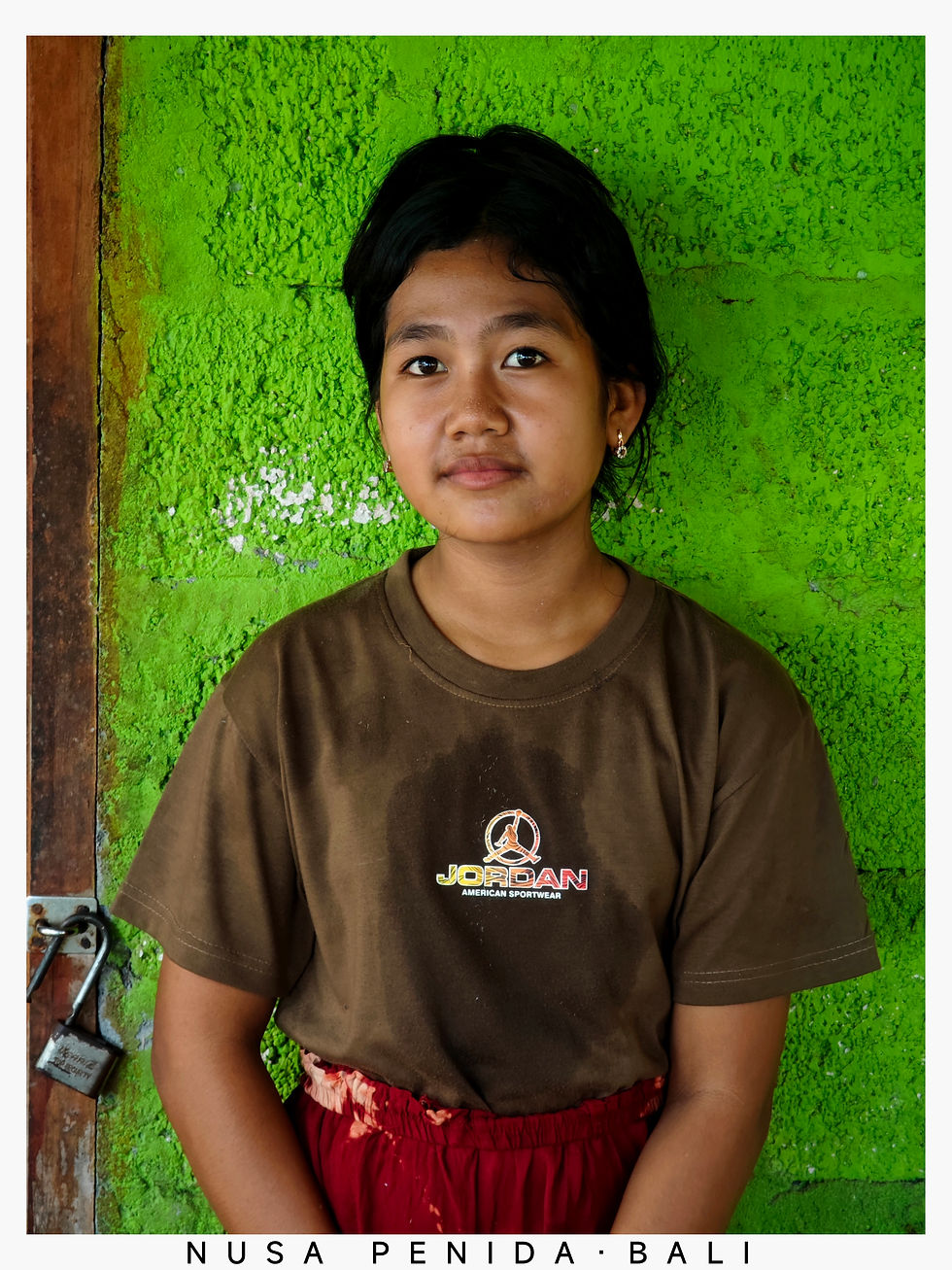
Short Description: This tour highlights the best of Bali and Nusa Penida Island: majestic temples, sunrise and sunset viewpoints, emerald-green rice terraces, dramatic cliffs, and unforgettable encounters with manta rays. From cultural landmarks to ocean adventures and peaceful villages, it offers a complete immersion into Bali’s unique charm.
Why Visit Bali Today?
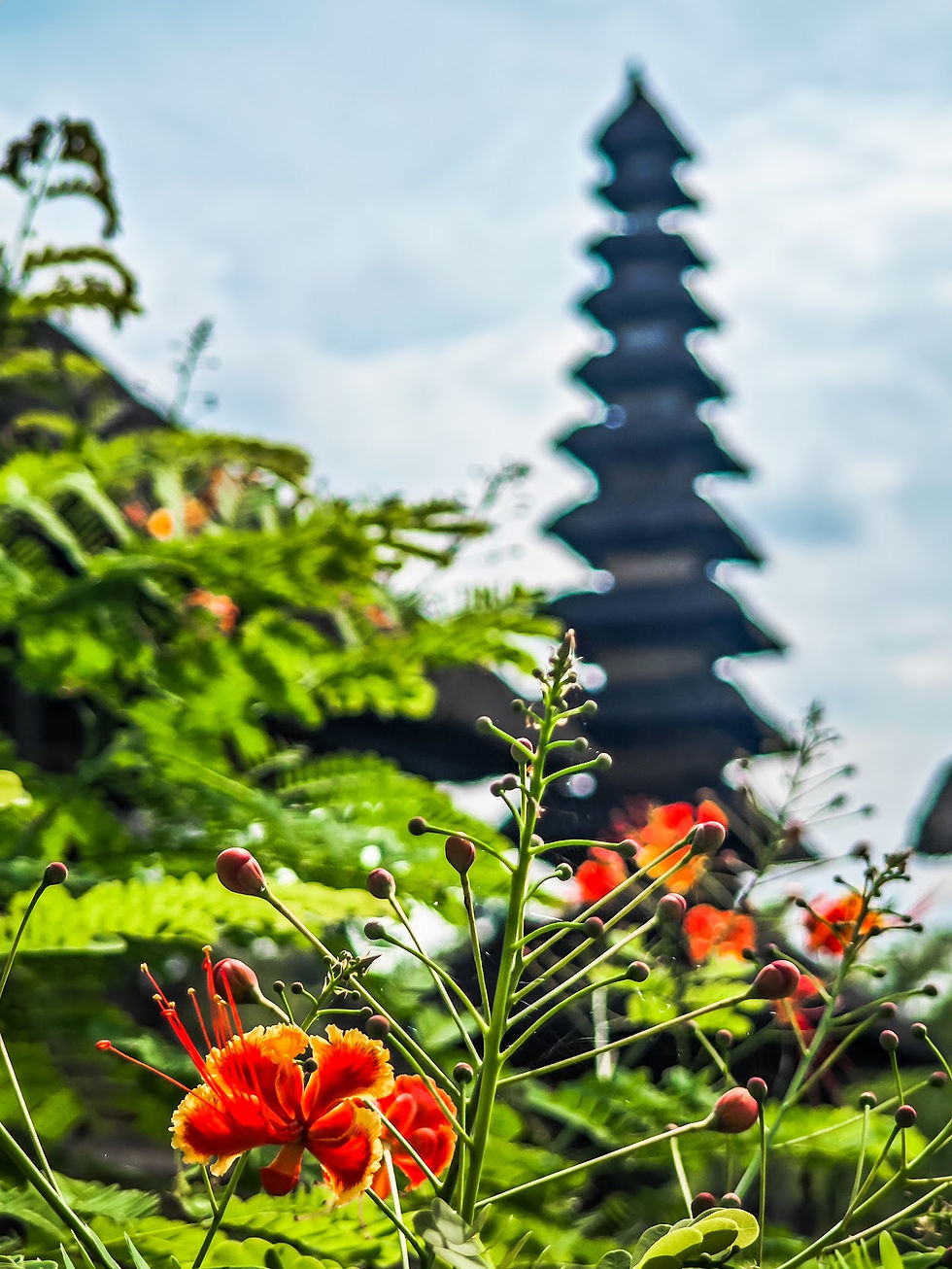
Bali offers a rare blend of spiritual heritage, tropical adventure, coastal beauty, and authentic village life. In a single trip, you can watch fiery sunsets, snorkel with manta rays, wander through emerald rice fields, and explore some of the most photogenic temples in Asia. But what truly makes Bali unforgettable is the calm, kindness, and patience of its people — we didn’t see stress, nervousness, or anger anywhere. From beachside massages to helpful locals and peaceful daily life, the island feels welcoming at every moment. And above all, Bali remains a safe, warm, and relaxing place to travel, no matter your style.
Important: Check our 4BTravelGuide's detailed picture albums and comments below:

Indonesia - Bali Tropical Adventure
Where Is Bali Located?
nuis an island province of Indonesia, situated in the heart of Southeast Asia. It lies between the islands of Java to the west and Lombok to the east, forming part of the Indonesian archipelago that stretches across the equator.
Geographically, Bali sits on the southern edge of the Bali Sea and the northern edge of the Indian Ocean, giving it a unique combination of calm northern waters and dramatic southern coastlines. The island is part of the Lesser Sunda Islands, a chain known for its volcanic mountains, lush rainforest, and rich marine ecosystems.
Bali is Indonesia’s most iconic island, known for its volcanic landscapes, terraced rice fields, ancient temples, diverse marine life, and rich Hindu culture. The island blends natural beauty with spirituality and warm Balinese hospitality, making it one of the most beloved travel destinations in the world.
Bali is roughly:
1.5 hours by plane from Jakarta
3 hours from Singapore
4 hours from Australia (Perth)
9 hours nonstop from Dubai - Emirates operates direct flights, making it one of the fastest connections to Bali from the Middle East.
17–20 hours from Zurich depending on the layover. There are no nonstop flights, so travel requires one connection (usually via Dubai, Singapore, Doha, or Kuala Lumpur).
Thanks to its central location and international airport (Denpasar), Bali is one of the most accessible tropical islands in Asia.
Where Does the Name “Bali” Come From?
The name Bali is believed to come from the ancient Sanskrit word “wali” or “bali,” meaning “offering,” “tribute,” or “sacrifice.”In Balinese Hindu culture, offerings (banten) are central to daily life, symbolizing gratitude, harmony, and balance. The island’s name reflects this spiritual tradition.

Another historical interpretation links the name to King Bali or Maha Bali, a powerful and generous ruler mentioned in Hindu epics. Some scholars believe early settlers named the island in his honor.
Historical References
The earliest written mentions of Bali appear in 9th–10th century inscriptions, referring to the island as “Bali Dwipa”, meaning “Island of Bali.”
“Dwipa” is an old Sanskrit word for “island.”
Over time, “Bali Dwipa” became simply Bali.
The capital city of Bali is Denpasar.
History of Bali
Bali has a unique cultural history shaped by Hindu kingdoms, Javanese influence, and strong artistic traditions. Ancient temples such as Tanah Lot and Ulun Danu Beratan date back centuries, honoring deities of the sea, lakes, and mountains. The UNESCO-listed Jatiluwih terraces reflect Bali’s sophisticated agricultural heritage, guided by the Subak irrigation system developed over 1,000 years ago.
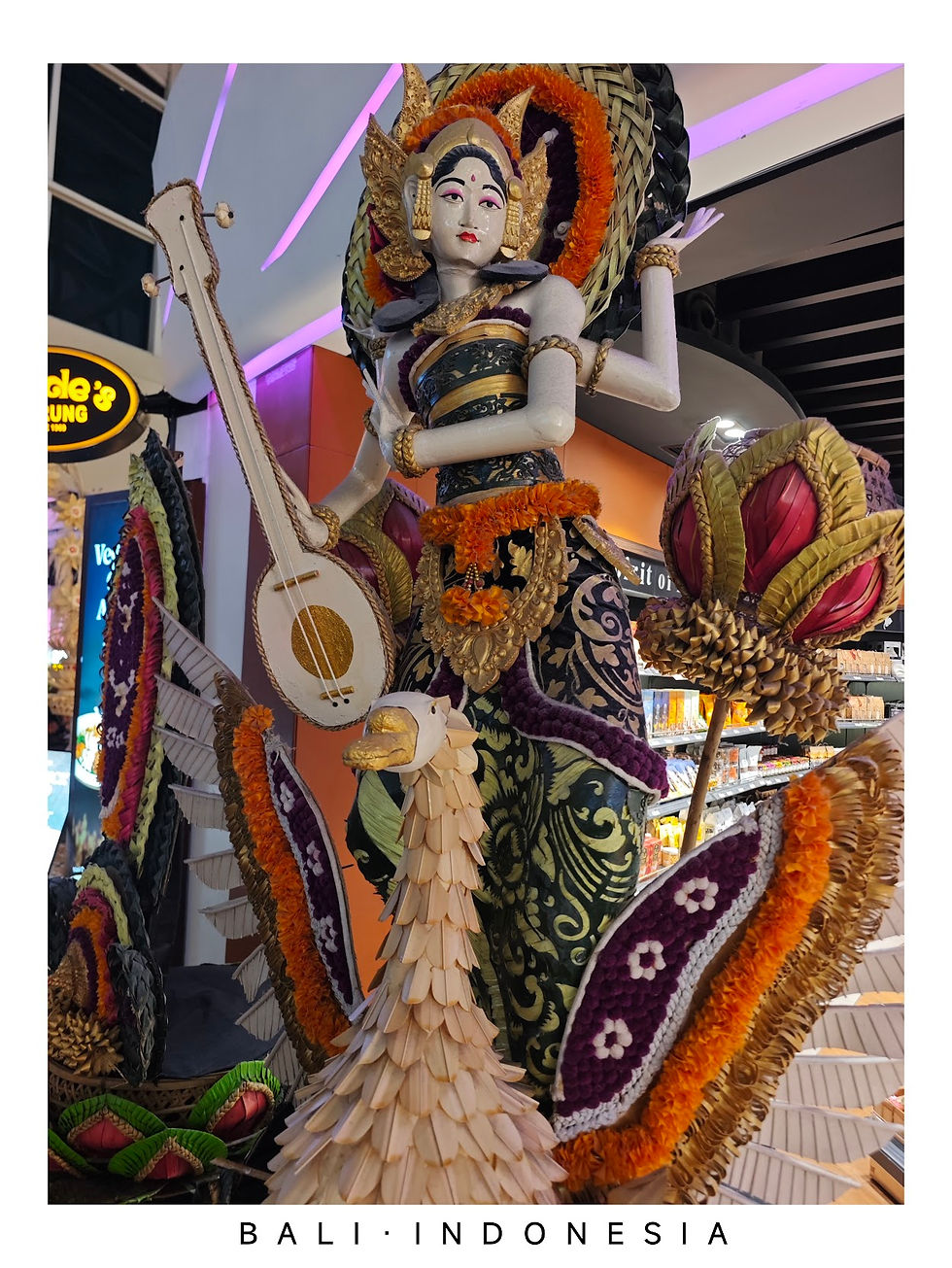
Bali became part of Indonesia at the moment the Republic of Indonesia was formed, after the end of Dutch colonial rule.
Before Indonesia
Until the early 20th century, Bali was made of several independent Hindu kingdoms.
From 1906–1908, the Dutch fully conquered the island.
Bali became part of the Dutch East Indies (colonial rule).
Becoming Part of Indonesia
17 August 1945: Indonesia declared independence (including Bali).
1946–1949: The Dutch attempted to regain control but were eventually forced to recognize Indonesian sovereignty.
27 December 1949: The Netherlands officially transferred power, and Bali became a galfully recognized province of the United States of Indonesia, which shortly after unified into the Republic of Indonesia.
How Are the Balinese People?
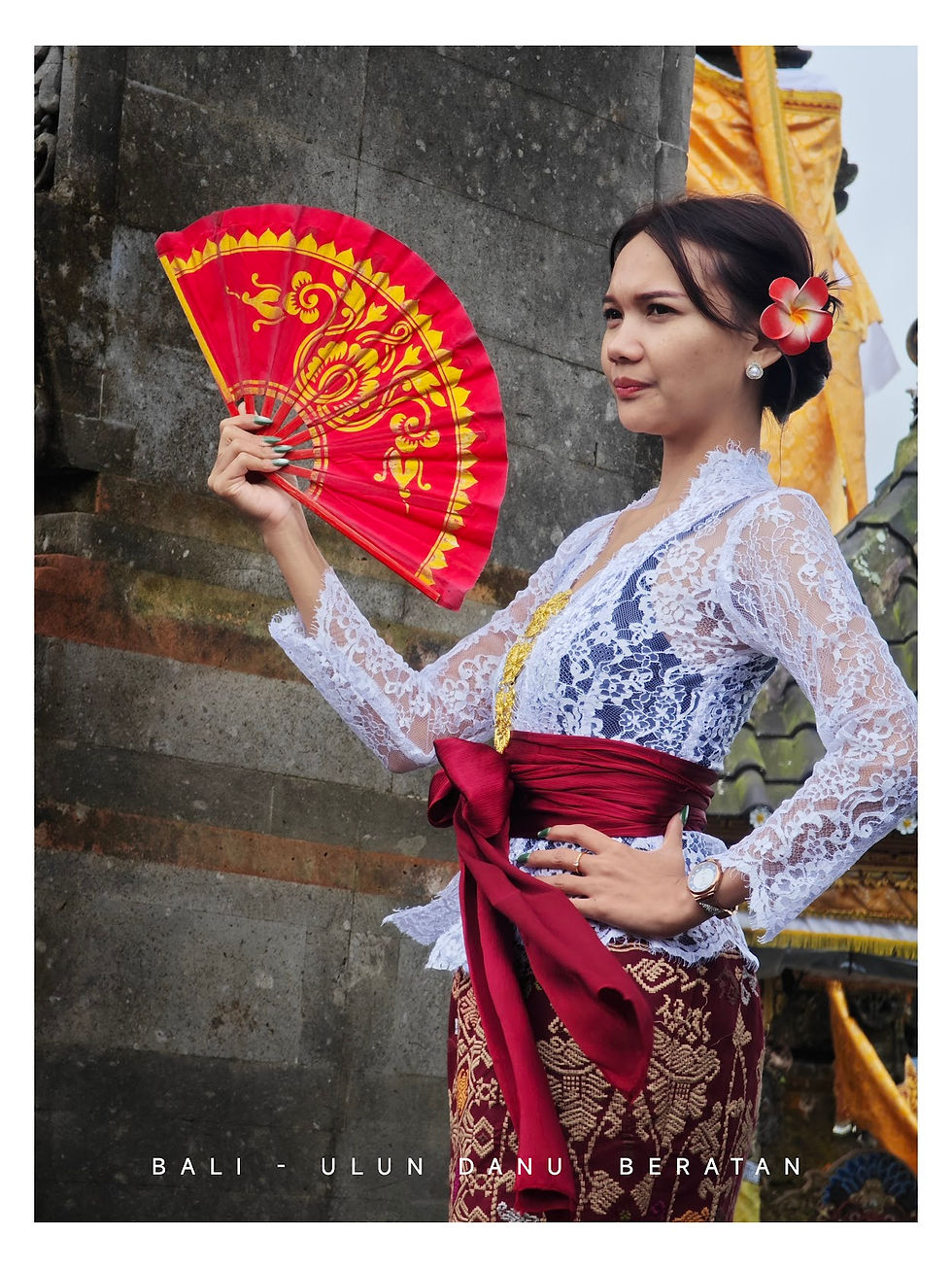
Balinese people are known for their gentle, calm, and deeply respectful nature, shaped by their island’s Hindu traditions and strong sense of community. Daily life in Bali is guided by harmony, spirituality, and balance — values that resscan be felt everywhere, from small villages to busy tourist towns.

Calm & Kind by Nature
Balinese people tend to speak softly and smile easily. They rarely show anger in public and avoid confrontation. Patience is part of their culture, and they approach life with a peaceful, grounded mindset. Even in stressful situations, they stay composed and courteous.
Respectful and Polite
Whether greeting visitors, serving in restaurants, or guiding tourists, Balinese hospitality is warm and humble. They are genuinely welcoming and open-hearted, treating guests with care and respect.
Why They Are So Calm?
Several cultural elements contribute to this peaceful behaviour:
Balinese Hinduism, which emphasizes balance between people, nature, and the divine
Offerings (canang sari) made daily to express gratitude
Strong community values, where harmony is essential
A lifestyle close to nature, encouraging patience and humility
A Beautiful Cultural Experience
Meeting Balinese people is often one of the highlights of visiting the island. Their warmth, integrity, and calm way of life leave a lasting impression and create a sense of peace that many travelers remember long after they return home.
Tour Highlights
Explore breathtaking volcanic lakes and temples such as Ulun Danu Beratan
Visit the UNESCO-protected Jatiluwih Rice Terraces
Experience sunset at Tanah Lot, one of Bali’s most famous temples
Enjoy a sunrise walk on Sanur Beach
Take a day trip to Nusa Penida with a private car, cliffs viewpoints, and snorkeling with manta rays
Discover Bali’s traditional villages, vibrant markets, and coastal scenery
Suggested One Day Round Trip Itinerary From South Bali
Sanur / Kuta / Canggu → Jatiluwih → Ulun Danu Beratan → Tanah Lot sunset
This makes a perfect full-day cultural and scenic loop.
Recommended Stay
Bali offers a wide range of areas to stay, each with its own atmosphere, style, and advantages. Choosing the right place depends on what you want from your trip.
One suggestion is 6 days / 5 nights
Bali (Ubud or Canggu area): 4 nights
Nusa Penida (optional stay or day trip): 1 night or 1 full day
Area | Best For | Vibe |
Sanur | Relaxation, families, sunrise lovers | Peaceful, mature, quiet |
Kuta | Surfing, nightlife, easy airport access | Busy, energetic |
Ubud | Culture, nature, wellness | Scenic, spiritual |
Canggu | Trendy cafés, surf, nightlife | Young, modern |
Nusa Dua | Luxury, beach relaxation | Clean, calm |
Seminyak | Chic dining, boutiques, sunsets | Stylish, upscale |
Quick Overview of Key Places in Bali
Nusa Dua – Luxury, Calm Waters & Resorts
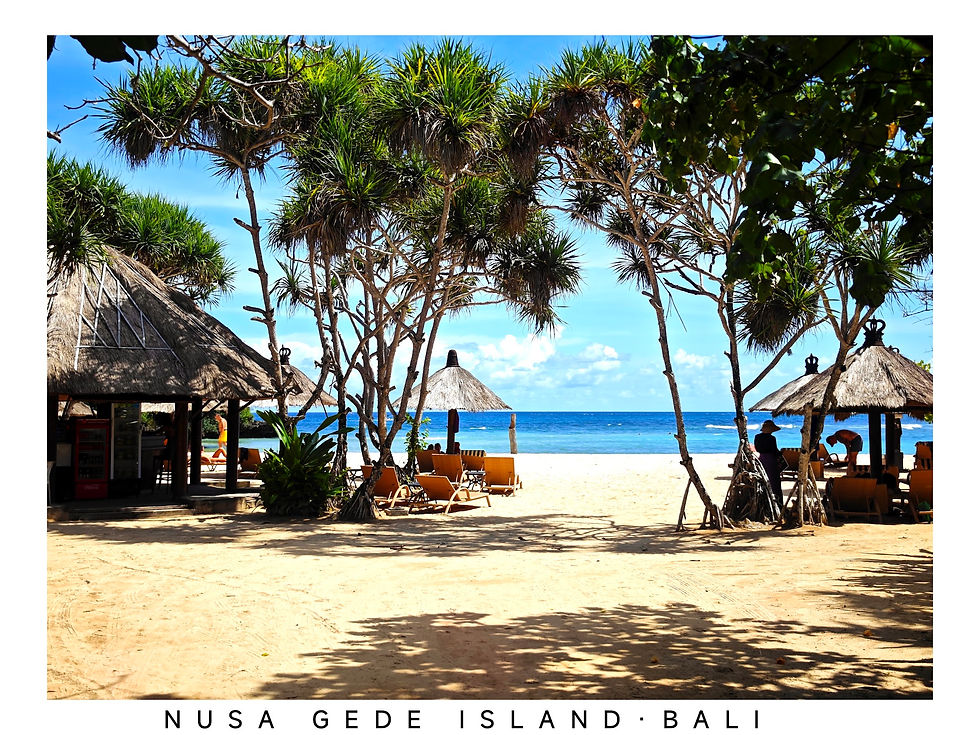
Nusa Dua: A calm, family-friendly area known for luxury resorts and clean, well-organized beaches. Is is easily reachable from airport.
Nusa Gede: The larger island in Nusa Dua’s bay, accessible by a walkway and surrounded by a scenic walking path.
Nusa Dua is a quiet, polished resort zone.
Why Stay in Nusa Dua
Beautiful clean beaches
Calm water for swimming
Luxury hotels and spa resorts
Family-friendly and safe
Seminyak – Stylish, Foodie Heaven & Chic Beach Clubs
If you want something more refined:
Why Stay in Seminyak
High-end shopping and restaurants
Trendy beach clubs
Stylish accommodations
Beautiful sunset beaches
Sanur – Calm, Relaxed & Perfect for Sunrise Lovers

Sanur is one of the best places for travelers seeking peace, comfort, and easy access to the beach. The long seaside promenade is ideal for morning walks and sunrise photography, and the area is well-known for its gentle waves and laid-back vibe.
Why Stay in Sanur
Quiet and family-friendly
Beautiful sunrises
Easy access to Nusa Penida and Nusa Lembongan (boats depart from here)
Great restaurants, cafés, and boutique shops
Ideal for older travelers or anyone wanting a relaxing base
Sanur is a wonderful starting or ending point for a Bali trip.
Kuta – Energetic, Lively & Close to Everything

Kuta is Bali’s most famous tourist area, known for its long sandy beach, surf schools, shopping centers, and lively nightlife. It’s ideal for travelers who enjoy a busy atmosphere and want to be close to entertainment and restaurants.
Why Stay in Kuta
Excellent for beginner surfers
Very close to Ngurah Rai International Airport
Plenty of shops, bars, restaurants, and markets
Vibrant nightlife and a youthful atmosphere
Good base for day trips around southern Bali
Kuta is fun, colorful, and energetic — perfect for travelers who enjoy movement and activity.
Ubud – Cultural Heart & Jungle Atmosphere
Why Stay in Ubud
Surrounded by rice fields, jungle, waterfalls
Yoga, wellness retreats, and traditional Balinese culture
Art galleries, temples, dance shows
A great base for exploring central Bali (Tegallalang, waterfalls, Mt. Batur)
Ideal for nature lovers and culture enthusiasts.
Canggu – Trendy & Modern Beach Lifestyle
For a more modern, youthful vibe:
Why Stay in Canggu
Trendy cafés, coworking spaces, boutiques
Surf beaches
Beach clubs and relaxed nightlife
Popular among digital nomads
Potential Island Tour Overview
The tour covers central and southwestern Bali, including:
Sanur – eastern sunrise coast
Ulun Danu Beratan – mountain lake temple in Bedugul
Jatiluwih – ancient rice terraces in Tabanan
Tanah Lot – oceanfront temple on dramatic rocks
Nusa Penida – rugged sister island southeast of Bali
The route combines mountains, jungle valleys, coastline, and island cliffs.
Sample Main Locations on the Tour
Sanur – sunrise beach, calm coast
Ulun Danu Beratan – floating temple on a volcanic lake
Jatiluwih – UNESCO heritage rice terraces
Tanah Lot – legendary sea temple at sunset
Nusa Penida – cliffs, beaches, snorkeling in Manta Bay
Ubud surroundings – jungle, temples, waterfalls (optional extension)
Accessibility & Nearby Towns
Bali’s arrival point is Denpasar International Airport (DPS)
Nusa Penida is reached via fast boat from Sanur (30–45 minutes)
Car access is excellent on Bali; roads on Nusa Penida are narrower but improving
Nearby towns: Ubud, Canggu, Seminyak, Kuta, Sanur.
Google Map with Main Spots
Googlemaps Link: https://maps.app.goo.gl/8t4Co7ZXtvP2P9H26
Local Map Interests
Sanur Beach Walk
Ulun Danu Temple Gardens
Jatiluwih Village Trail
Tanah Lot Sunset Viewpoints
Kelingking & Broken Beach (Nusa Penida)
Crystal Bay & Manta Bay snorkeling
Tour Type
Culture + Nature + Island Adventure
Physical Effort
Moderate:
Walking on uneven terrain in rice fields
Short climbs at Nusa Penida viewpoints
Snorkeling sessions
Adventure Type
Soft adventure with cultural elements; suitable for couples, friends, families, and photography enthusiasts.
Languages Spoken
Indonesian (Bahasa Indonesia)
Balinese
English widely spoken in tourist areas
Driving in Bali - A Different Approach to Traffic

Driving in Bali may look chaotic at first, with scooters and cars weaving through narrow roads — but Balinese drivers are:
non-aggressive
patient
cooperative
cautious, especially around others
There is almost no honking, no shouting, and no road rage. Instead, drivers communicate with gentle hand signals or a small smile. They let each other pass, merge calmly, and show surprising kindness in tight spaces.
How Clean Is Bali?
Bali is a beautiful island, but its cleanliness varies greatly depending on the location, season, and local habits. In many places, Bali is clean and well-maintained — especially tourist areas, temples, hotel zones, and villages where locals take pride in daily rituals and community cleaning. But like many tropical destinations, some areas struggle with waste management, seasonal ocean trash, and overloaded tourism.
Places That Can Be Less Clean
Some Beaches During Rainy Season (Dec–Feb)
Ocean currents can wash natural debris and plastic onto western and southern beaches:
Kuta
Legian
Canggu
This happens in many tropical islands, not only in Bali.
Roadside areas outside tourist centers and large parking spots on some islands (e.g., Nusa Penida).
You may see:
scattered rubbish
small dumping spots
burned trash piles (common practice in villages)
Rivers & Drains During Heavy Rains
Flooding can move trash into waterways. Bali is improving in this area, but infrastructure is still developing.
General Impression for Travelers
Most visitors find Bali clean enough and very pleasant, especially in:
hotel areas
cultural sites
mountain regions
organized beaches
Nusa Dua, Sanur, Uluwatu, Ubud surroundings
Travelers used to southeast Asian destinations generally find Bali cleaner than many parts of Indonesia, Thailand, Vietnam, or the Philippines.
Bali is beautiful, safe, and clean in most tourist zones, but like any developing island, it has challenges with waste management and seasonal beach debris. The overall experience is overwhelmingly positive — especially if you stay in areas known for their cleanliness like Sanur, Ubud, Nusa Dua, and the central highlands.
Risks
Strong sun and tropical heat
Slippery rice terraces during rain
Waves and currents on Nusa Penida
Limited barriers near cliffs
Motion sickness on boat rides
Best Time to Visit
April–October, during Bali’s dry season.
Offseason Visits
Visiting Bali at the end of November is absolutely possible and still enjoyable, but it comes with some important considerations.
Weather in Late November
Late November marks the beginning of the rainy season in Bali.
What this means:
Expect short tropical showers, usually in the afternoon or evening
Mornings are often sunny or partly cloudy
Temperature: 28–32°C, humid
Occasional storms, but rarely all-day rain
The mountains (Bedugul, Ulun Danu, Jatiluwih) are cooler and misty
Good news - the rain creates:
lush green landscapes
fewer crowds
better prices
refreshing evenings
Is Visiting Bali in Late November Worth It?
Yes — very much.It’s a great time for exploring cultural sites, photography, food, and relaxed travel without peak-season crowds.
Ocean Conditions
Sea conditions can be mixed in late November:
East Bali (Sanur, Nusa Dua) → usually calmer during this period
South & West coasts → some waves and stronger currents
Nusa Penida → manta rays are present year-round, but waves can be stronger on some days
Snorkeling and diving excursions usually run unless weather is extreme.
Weather Considerations
Bali has a warm tropical climate:
26–32°C throughout the year
Dry season: April–October
Rainy season: November–March
Mountain areas around Bedugul are cooler
Traditional Balinese Dance

Traditional Balinese dance is a vibrant art form that blends graceful movements, expressive gestures, and dramatic storytelling rooted in Hindu mythology. juAccompanied by the hypnotic rhythms of gamelan music, these dances bring ancient legends to life and remain one of Bali’s most captivating cultural expressions.
A show takes 1hr-1.5hr
Multiple Acts in a Balinese Dance Show
A traditional Balinese dance performance is not one dance but a series of acts, each telling part of a story or showcasing a different style. A typical show may include:
1. Opening Welcome Dance (Panyembrama or Legong) - A graceful introduction to welcome guests and set the tone.
2. Character Dances- These include expressive roles like:
Barong (protector spirit)
Rangda (queen of demons)
Kris dancers (warriors)
These acts combine mythology with intense choreography.
3. Storytelling Segment (Ramayana or Mahabharata)- A dramatic sequence depicting scenes from Hindu epics, using gestures, facial expressions, and symbolic movements rather than dialogue.
4. Solo or Duet Performances- Dances like Legong, Topeng, or Kebyar highlight technical mastery, elegance, or comedic elements.
5. Finale- A powerful closing act, often with the full ensemble, celebrating harmony and balance — the core themes of Balinese culture.
Balinese Gamelan Orchestra
Balinese dance is accompanied by a gamelan orchestra, a traditional ensemble made up of bronze percussion instruments. The sound is rhythmic, energetic, and layered, creating the hypnotic atmosphere that defines Balinese performing arts.
The orchestra usually includes:
Metallophones (gangsa, gendér) played with mallets
Gongs (gong ageng, kempur) marking the rhythm
Kendang (double-sided drums) leading the tempo and transitions
Ceng-ceng (cymbals) adding sharp accents
Rebab (two-stringed instrument) in some styles
Suling (bamboo flutes) adding soft melodic lines
Gamelan music is fast, synchronized, and dynamic — matching the dancers’ precise eye movements, hand gestures, and dramatic expressions.
Balinese Kids Naming System
Cultural Context: in Bali, names often reflect social class, birth order, or traditional meanings.
In the Balinese naming system, the name indicates the birth order in the family.
Here is the basic structure:
Balinese Traditional Birth-Order Names
First-Born Children (4 options)
Gede (male)
Ni Luh (female)
Wayan (male/female)
Putu (male/female)
Second-Born Children (2 options)
Made (male/female)
Kadek (male/female)
Third-Born Children (2 options)
Nyoman
Komang
Fourth-Born Children (1 option)
Ketut
PS: The name Ayu is a beautiful and very common Balinese/Indonesian name.
Meaning of “Ayu”
In Balinese and Indonesian, Ayu means “beautiful,” “graceful,” or “pretty.”
It’s often used for girls and symbolizes elegance, kindness, and inner beauty.
Ayu is frequently used together with other Balinese names like Ayu Wayan, Ayu Putu, or simply Ayu as a standalone given name.
4B Travel Guide Tips & Recommendations
Start early to avoid crowds at the temples.
Start your day early or travel later in the evening to avoid peak congestion. Traffic in Bali can be intense, with many scooters and cars sharing narrow roads. It's highly recommended to hire a driver who knows the island well, can navigate busy areas efficiently, and plans your route to minimize delays. We used Bali Victory Transport for our transfers and daily car usage. Details below.
Nusa Penida roads are steep and often in very poor condition, with some sections lacking asphalt — choose an experienced local driver.
Morning snorkeling increases your chances of seeing manta rays — go with guides who know the area well.
Carry a rain poncho.
Wear comfortable shoes for walking through rice fields.
Bring reef-friendly sunscreen and apply it well before going snorkeling.
Local Private Transport
For our local transportation, private trip arrangements, factories and special stores (silver, wood carving, paintings, local markets) and guided excursions, we used Bali Victory Transport.

Bali Victory Transport
+6281237417479
In November 2025 they operated two minivans:
Suzuki APV – suitable for up to 6 passengers (~60–70 USD per day, November 2025)
Toyota Hiace Commuter – up to 14 passengers mini bus (~110-120 USD per day)
The price are including fuel, driver, parking fee, cold water and insurance.
The drivers are two very friendly brothers, Ketuk (the fourth child in the family) and Made (2nd child in the family). Both speak excellent English; one of them even worked on a cruise ship and has traveled around the world.

4B Travel Guide Tip:
Ask Ketuk for a karaoke session in his minivan — it’s a lot of fun. Don’t forget to record it!
Recommended Stops
Sanur Beach Sunrise
Jatiluwih Scenic viewpoints
Crystal Bay sunset (Nusa Penida)
Sunset at Tanah Lot
Bedugul Botanical Gardens
Sanur Morning Market
Warung seafood restaurants near Tanah Lot
Special Events
Balinese religious ceremonies (almost daily in temples)
Galungan & Kuningan Festivals
Bali Arts Festival (June–July)
Nyepi – Balinese Day of Silence (March/April)
Galungan & Kuningan – Bali’s Most Important 10-Day Religious Festival
Galungan is one of Bali’s most sacred celebrations, honoring the victory of dharma (good) over adharma (evil). According to Balinese Hindu belief, during Galungan the spirits of ancestors descend to Earth to visit their family temples and homes. The festival lasts 10 days, ending with Kuningan, the day when the spirits return to the heavens.

What Happens During These 10 Days?
Penjor poles — tall, beautifully decorated bamboo poles — line the streets in every village. They represent prosperity, gratitude, and offerings to the gods.
Families visit temples in ceremonial dress, bring offerings, and pray for harmony and blessings.
Homes and shrines are decorated with palm-leaf ornaments and food offerings.
The atmosphere becomes deeply spiritual, with gamelan music, incense, and colorful ceremonies everywhere.
Many Balinese take time off work to return to their family villages and celebrate together.

What Travelers Can Expect
A very cultural, authentic experience — Bali becomes more traditional than usual.
Beautiful photography opportunities with penjor poles, temple ceremonies, and festive decorations.
Some delays in traffic due to ceremonies or processions.
Temples may be busy, but respectful visitors are welcome to observe (from the outside unless invited).

Galungan Festivities
Recent Festival Dates
Galungan: 19 November 2025
Kuningan: 29 November 2025
(These dates change every year, according to the 210-day Balinese Pawukon calendar.)

Travel Tips if Visiting During the Festival
Dress modestly and follow temple etiquette.
Watch respectfully — never step in front of worshippers or photographers at ceremonies.
Expect some shops or services to open later due to family rituals.
Allow extra time on the road, especially in rural villages.
Enjoy the unique atmosphere — it is one of the best cultural moments to experience Bali.
Candi Bentar
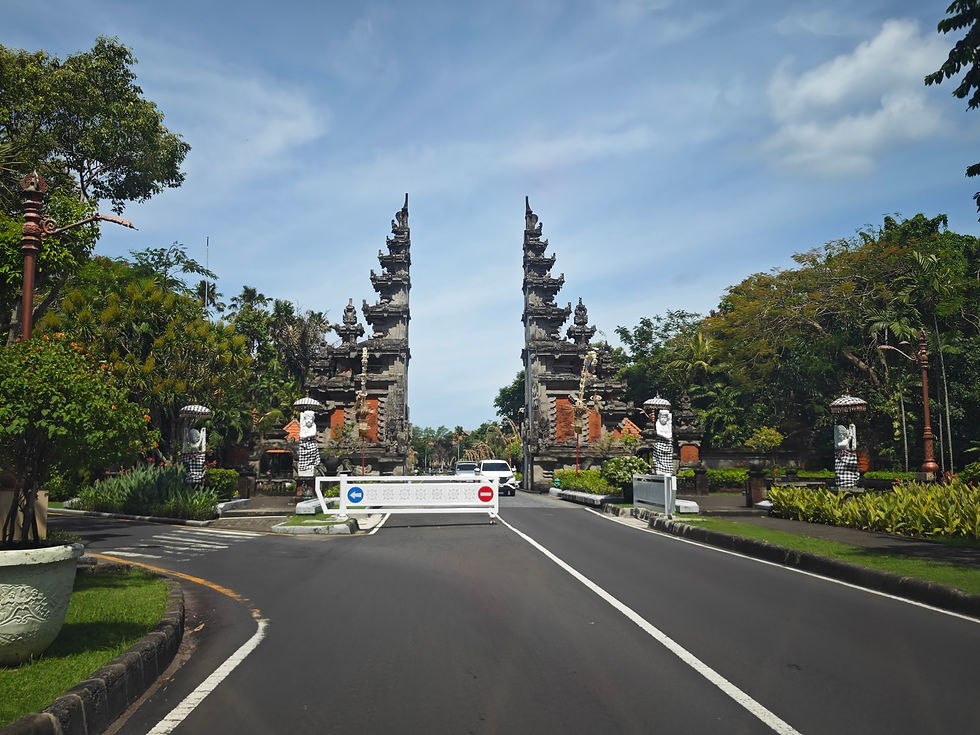
A Candi Bentar is a split gateway made of two symmetrical stone structures that mirror each other. It symbolizes the balance between two cosmic forces — good and evil, mountain and sea, body and spirit — a key concept in Balinese Hinduism.

Where you see it
You’ll find Candi Bentar gates at:
temple entrances
palace courtyards
traditional compounds
cultural landmarks all across Bali
They are one of the island’s most recognizable architectural elements.
Details about Main Spots in Bali
Ulun Danu Beratan – The Floating Temple of the Highlands
Ulun Danu Beratan is one of Bali’s most enchanting temples, often described as the island’s postcard scene. Set on the shores of Lake Beratan in the cool Bedugul mountains, the temple appears to float gracefully on the water, especially when the lake is calm and the morning mist hovers above the surface. The surrounding landscape of lush gardens, volcanic peaks, and mirror-like reflections creates a peaceful, almost mystical atmosphere.

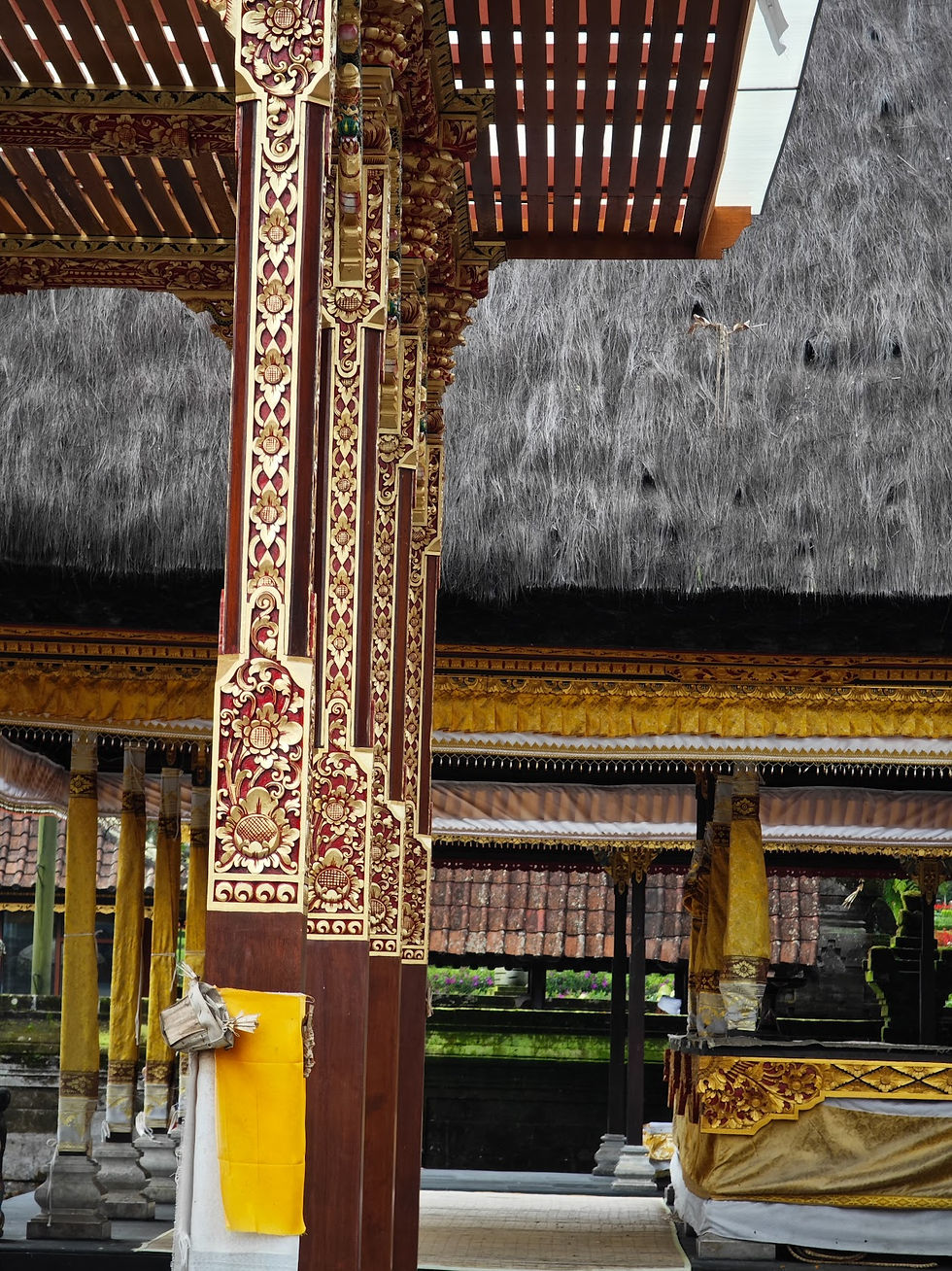
Dedicated to Dewi Danu, the Balinese goddess of lakes and rivers, Ulun Danu Beratan has long been an important spiritual site for local communities. The complex features several shrines and pagodas, each with elegant multi-tiered meru roofs that rise strikingly against the green mountain backdrop.


A visit in the early morning is ideal, when the air is crisp, the crowds are fewer, and the soft light paints the temple in soft golden tones.

Strolling through the landscaped gardens, watching traditional boats glide across the lake, and witnessing the temple’s serene silhouette reflected in the water offer a rare moment of tranquility.

Ulun Danu Beratan is not just a temple — it’s a place where nature and spirituality blend seamlessly, making it one of Bali’s most memorable and photogenic destinations.






Driving from Sanur to Ulun Danu Beratan
The drive from Sanur to Ulun Danu Beratan takes you through the heart of Bali, passing traditional villages, lush landscapes, and countless temples that line the roadside. Almost every village has its own beautifully decorated temple complex, so the journey feels like a continuous cultural route.
Traffic on this stretch can be busy and slow, especially during the morning and late afternoon. The roads are generally in good condition, but they are narrow, shared by cars, trucks, scooters, and local daily activity. Expect many curves, local markets spilling slightly onto the road, and occasional slowdowns near village centers.
Driving Time
Direct drive: around 1 hour 30 minutes to 2 hours, depending on traffic.
With typical daytime traffic: closer to 2.5 hours.
Because the route leads into the cooler mountain region, the scenery becomes greener and the air fresher as you approach Bedugul. It’s a fascinating drive, but having an experienced local driver is highly recommended to navigate traffic safely and efficiently.
Pura Luhur Batukaru - forest temple on the slopes of Mount Batukaru
Pura Luhur Batukaru is one of Bali’s most sacred temples, nestled on the lush slopes of Mount Batukaru in the island’s western highlands. Surrounded by dense rainforest and misty mountain air, it offers a peaceful, spiritual atmosphere far from the crowds of Bali’s more famous shrines.

Galungan is Bali’s most important 10-day Hindu festival, celebrating the victory of good over evil and the return of ancestral spirits to Earth. During this period, villages are decorated with tall penjor bamboo poles, temples are filled with ceremonies, and the island takes on a deeply spiritual atmosphere. The festival ends with Kuningan, when the spirits are believed to return to the heavens, marking the close of this beautiful cultural celebration.


Pura Taman Ayun Temple
Introduction
Nestled in the quiet town of Mengwi, just west of Ubud, Pura Taman Ayun stands as one of Bali’s most graceful and historically rich temples. Built in 1634 by the royal Mengwi Kingdom, this stunning complex is often described as a “garden temple,” thanks to its expansive lawns, lotus-filled canals, and the beautiful moat that surrounds it. Taman Ayun is also part of Bali’s UNESCO-recognized Subak irrigation network, highlighting its cultural and environmental significance.


Why Pura Taman Ayun Is Worth Visiting
Unlike some of Bali’s busier temples, Taman Ayun offers a calm, balanced atmosphere that feels both majestic and intimate.

Visitors come for its:
Unique moat-encircled layout, giving the illusion of a floating temple.
Towering multi-tiered meru shrines—some of the tallest in Bali.
Lush gardens that provide a peaceful walking experience.
Strong historical connection to Bali’s royal past.
Generally quieter crowds, making it ideal for photography and exploration.
What to See Inside the Temple

1. The Split Gate (Candi Bentar)
Your visit begins with Taman Ayun’s impressive split gate. This traditional entrance leads into the outer courtyard, where you can appreciate the temple’s symmetry and classic Balinese stonework.
2. Landscaped Courtyards
One of the temple’s best features is how spacious and green it is. Manicured lawns, frangipani trees, tropical flowers, and shaded pathways make strolling through the grounds a relaxing experience.
3. The Moat and Water Features
The surrounding moat symbolizes spiritual protection and harmony. Combined with lotus ponds and water channels, the entire complex feels like an island sanctuary.
4. The Inner Sanctuary (Utama Mandala)
Although visitors cannot enter the holiest inner courtyard, you can walk around its perimeter. This area houses clusters of meru towers—elegant, black-thatched shrines reaching up to eleven tiers. These structures are dedicated to different Hindu deities and ancestral spirits of the Mengwi royal family.
5. Traditional Pavilions

Around the complex are open-air pavilions once used for royal ceremonies, community meetings, and offerings. They offer countless opportunities for detailed photography and cultural appreciation.
Jatiluwih Rice Terraces – The Heart of Bali’s Ancient Landscape
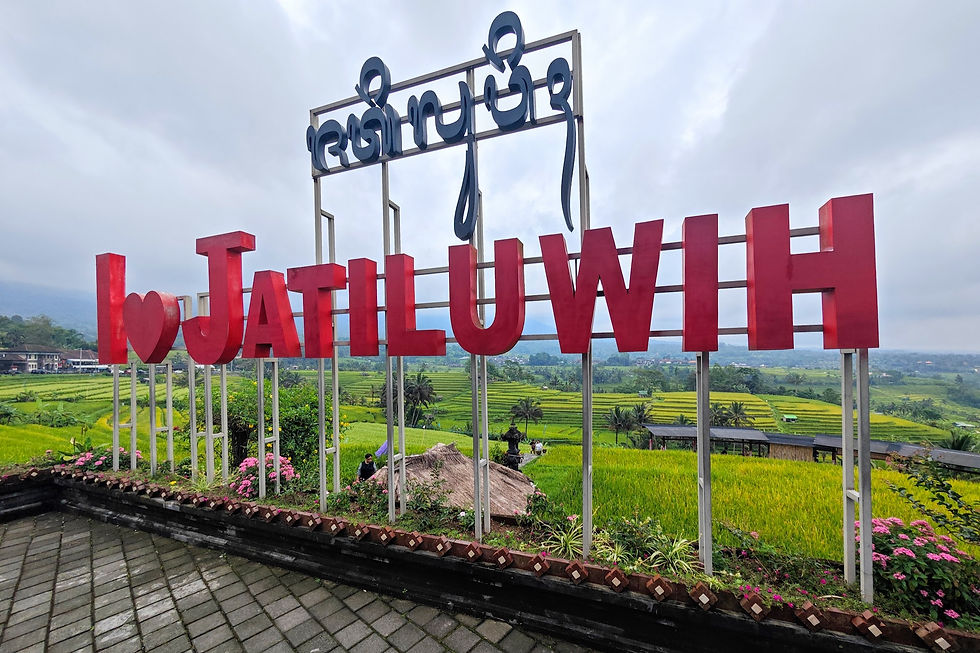
Jatiluwih Rice Terraces

A vast, UNESCO-protected landscape of ancient rice fields. Walk through terraces shaped by the Subak irrigation system, admire traditional villages, and enjoy panoramic viewpoints.

The Jatiluwih Rice Terraces are among Bali’s most breathtaking natural wonders — a vast, UNESCO-protected cultural landscape where emerald-green terraces unfold across the foothills of Mount Batukaru. Far quieter than Tegallalang and more untouched by mass tourism, Jatiluwih offers an authentic glimpse into the island’s agricultural heritage and its deep spiritual relationship with nature.

Where Jatiluwih Is Located
Jatiluwih is located in the Tabanan Regency, about:
1.5–2 hours from Ubud
1–1.5 hours from Canggu
1.5–2.5 hours from Sanur, Seminyak, and Kuta

It sits at an elevation of around 700 meters, making the air cooler and fresher than in the coastal areas.
What Makes Jatiluwih Special?
Because it feels peaceful, slow-paced, and deeply connected to tradition.
1. UNESCO World Heritage Landscape
The rice terraces are part of the Cultural Landscape of Bali, recognized by UNESCO for:
the Subak irrigation system (over 1,000 years old),
sustainable water distribution from sacred springs at Mount Batukaru,
the harmonious relationship between humans, nature, and spirituality (Tri Hita Karana).
The Subak system is still used by local farmers today, maintaining a delicate balance between rice cultivation and religious tradition.
2. Massive Scale and Untouched Beauty
Unlike the smaller and more crowded terraces near Ubud, Jatiluwih covers over 600 hectares of layered rice fields. The panoramic views stretch endlessly over hills, valleys, and villages, creating one of Bali’s most dramatic landscapes.

3. Authentic Rural Life
Jatiluwih remains a working agricultural region, not a commercial attraction. You’ll see:
farmers tending to the fields
ducks wandering through the paddies
traditional Balinese huts
irrigation channels flowing through bamboo pipes
Best Things to Do in Jatiluwih
Walking Trails
Jatiluwih has marked hiking paths of various lengths:
Red Trail (Short) – 1–2 km
Yellow Trail (Medium) – 3–5 km
Green Trail (Long) – 6–7 km
Full Jatiluwih Loop – 8–10 km
All trails are scenic, passing through fields, small villages, and river crossings.
Cycling Tours
You can rent a bicycle or join a guided tour to explore the terraces on two wheels. The bike routes are gentle, scenic, and refreshing thanks to the cooler mountain air.
Drone Photography
Jatiluwih is one of the best places in Bali for drone photography (check for temporary local restrictions). The terraces create geometric patterns that look spectacular from above.
Local Restaurants With Panoramic Views
Several warungs and cafés line the entrance road, offering:
Indonesian dishes
fresh coconut
excellent rice-field views
Popular options: Gong Jatiluwih, Warung Jatiluwih, Billy’s Terrace Café.
Visit Taman Ayun or Batukaru Temple Nearby
Combine your visit with:
Pura Luhur Batukaru – forest temple on the slopes of Mount Batukaru
Taman Ayun Temple – royal temple with large gardens
Both are close and fit naturally into a day trip.
Best Time to Visit
Time of Day
Morning (8–10 AM) – soft light, cool temperatures
Late afternoon (3–5 PM) – golden light, long shadows
Midday is brighter and hotter, but still pleasant due to high elevation.
Best Seasons
Rice planting and harvesting vary, but generally:
February–April → bright green terraces
June–August → golden rice fields
September–November → planting season, terraces look fresh and vibrant
Even during rainy season, the mist and clouds create dramatic moods.
Photography Tips
Arrive early to capture morning mist
Use a wide-angle lens to enhance depth
Look for farmers at work for cultural shots
Fly your drone only when safe and permitted
Sunset is excellent from the upper viewpoints
Practical Information
Entrance Fee
Around IDR 40,000 per person (in Nov 20205, may change slightly).
Facilities
Restaurants and cafés
Restrooms
Parking
Walking routes?
Bicycle rental
Some advice:Safety
Wear comfortable walking shoes
Carry light rain gear (weather changes fast in the mountains)
Stay hydrated
Watch your step on narrow terraces
Why Jatiluwih Is Worth Visiting
It’s one of Bali’s least crowded UNESCO sites
The terraces are larger and more natural than at Tegallalang
You experience authentic farming life
The scenery is breathtaking and peaceful
It feels like stepping into a living postcard of Bali’s heritage
For many travelers, Jatiluwih becomes one of the most memorable stops in Bali.
Beautiful Rice Fields in Bali – More Than Just the Famous Terraces
Beyond the well-known Tegallalang and Jatiluwih terraces, Bali is filled with countless other rice fields that are just as stunning and perfect for photography.

Scattered across the island’s countryside, these paddies offer quieter, more authentic scenes of daily farming life—lush green carpets, narrow irrigation canals, and farmers working against misty mountain backdrops. Whether you’re exploring Ubud’s outskirts, strolling through Sidemen Valley, or passing through small villages in north or east Bali, you’ll find plenty of peaceful, photogenic rice landscapes that capture the island’s natural charm without the crowds.
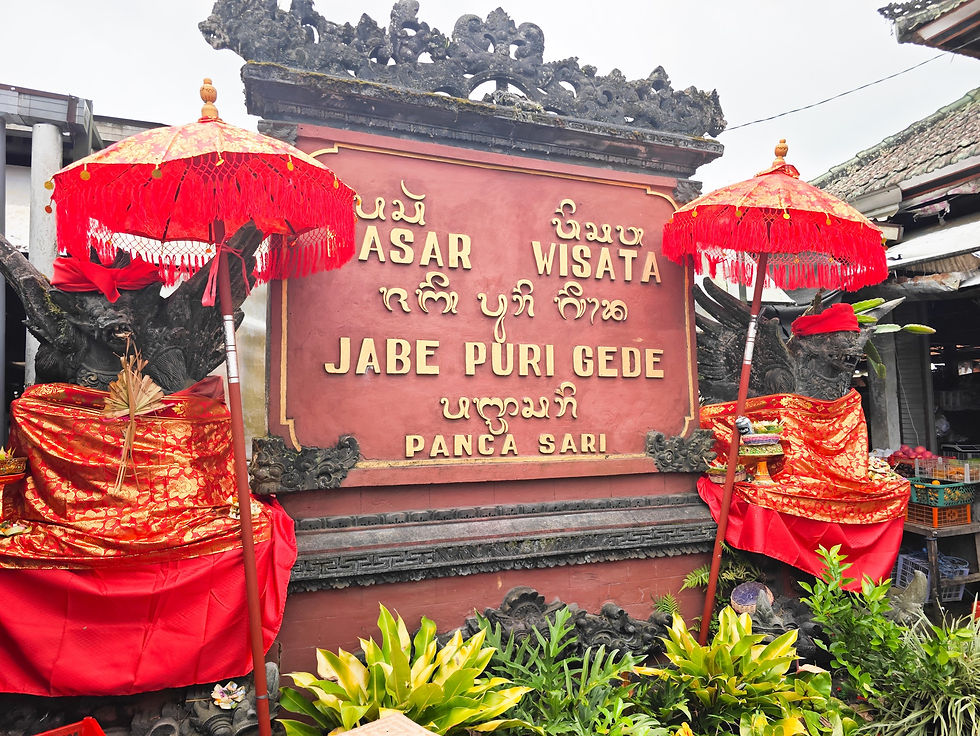
Jabe Puri Gede – Vegetable and Fruits Market
Jabe Puri Gede – Vegetable and Fruits Market is a lively community marketplace celebrated for its fresh produce and genuine village atmosphere.
Located in the cool highlands of Pancasari, the market serves as a daily gathering point where local farmers bring freshly harvested vegetables, fruits, herbs, and other regional ingredients. Visitors can enjoy vibrant displays, warm interactions with friendly vendors, and an authentic glimpse into the everyday rhythm of Balinese rural life. Jabe Puri Gede – Vegetable and Fruits Market is a lively community marketplace celebrated for its fresh produce and genuine village atmosphere.
Located in the cool highlands of Pancasari, the market serves as a daily gathering point where local farmers bring freshly harvested vegetables, fruits, herbs, and other regional ingredients. Visitors can enjoy vibrant displays, warm interactions with friendly vendors, and an authentic glimpse into the everyday rhythm of Balinese rural life.



Whether you’re shopping for fresh ingredients or exploring local traditions, Jabe Puri Gede offers an inviting, down-to-earth experience rooted in Bali’s rich agricultural heritage.
Special Fruits Commonly Found in the Area
Salak Bali (Snake Fruit)
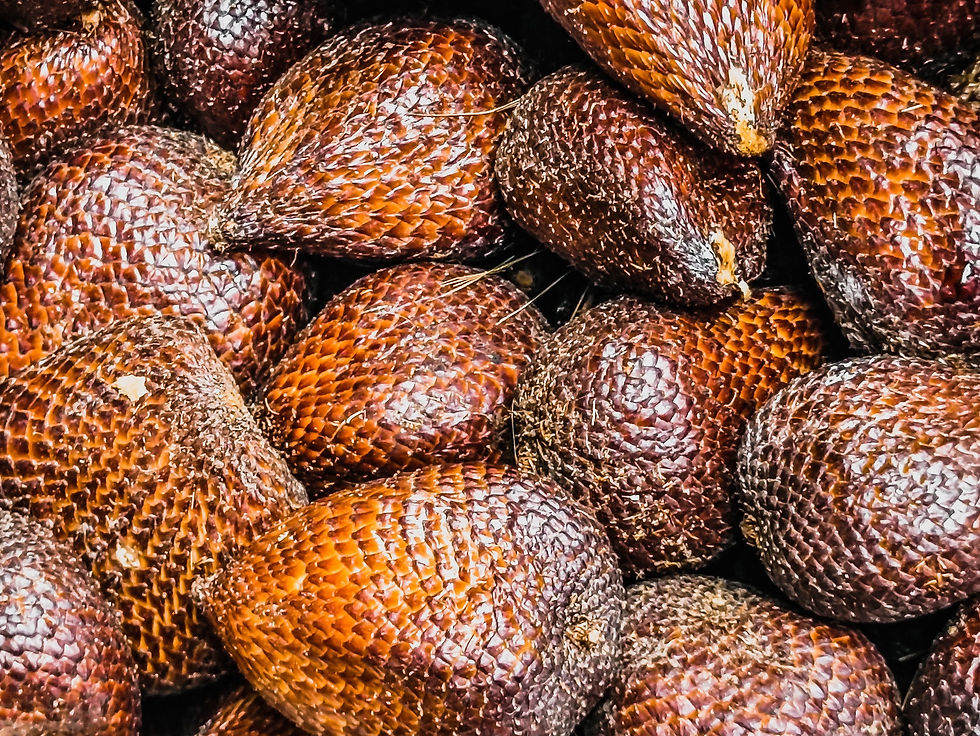
Salak Bali, commonly called “snake fruit,” is one of Bali’s most distinctive and beloved local fruits. Named for its reddish-brown, scale-like skin, salak has a crisp texture and a sweet, slightly tangy flavor that makes it a favorite among locals and visitors alike. Grown especially in Bali’s fertile highland and volcanic regions, this unique fruit is easy to find in traditional markets and roadside stalls across the island.
Eating Salak Bali is straightforward: Simply peel away the scaly outer skin with your fingers, remove the thin inner membrane, and separate the creamy, crunchy segments inside. Each segment contains a hard seed that you should not eat, but the flesh itself is deliciously sweet with a pleasant apple-like bite.
Manggis (Mangosteen)

Known as the “queen of fruits,” mangosteen is juicy, fragrant, and highly prized.Mangosteen has a sweet, juicy, and slightly tangy flavor, often described as:
A mix of peach, lychee, and pineapple
Delicate, refreshing, and aromatic
Very soft and melt-in-your-mouth
It’s considered one of the most delicious tropical fruits because of its balanced sweetness and refreshing taste.
How to Eat Mangosteen: Hold the fruit firmly in your hand. Gently press or squeeze until the thick purple skin cracks. Alternatively, you can score the skin with a knife and twist it open. Pull apart the rind to reveal the white segments inside. Eat the white segments like you would eat lychee or citrus sections.
Note: The purple rind stains, so avoid touching white clothes!
Dragon fruit (pitaya)

Dragon fruit, locally known as buah naga, is a vibrant and refreshing tropical fruit widely grown across Bali’s warm farmlands. Its bright pink skin and unique cactus-like appearance make it stand out in local markets, especially in the highland areas such as Pancasari and Bedugul. Loved for its mild sweetness, hydrating texture, and rich nutrients, dragon fruit is a must-try for visitors exploring Bali’s fresh produce scene.
Eating dragon fruit is simple: Cut the fruit in half, scoop out the soft white or red flesh with a spoon, and enjoy it fresh. You can also slice the flesh into cubes for fruit salads, blend it into smoothies, or chill it for an extra refreshing treat. The seeds are completely edible, adding a light crunch to each bite.
Tamarind (Asam Jawa)
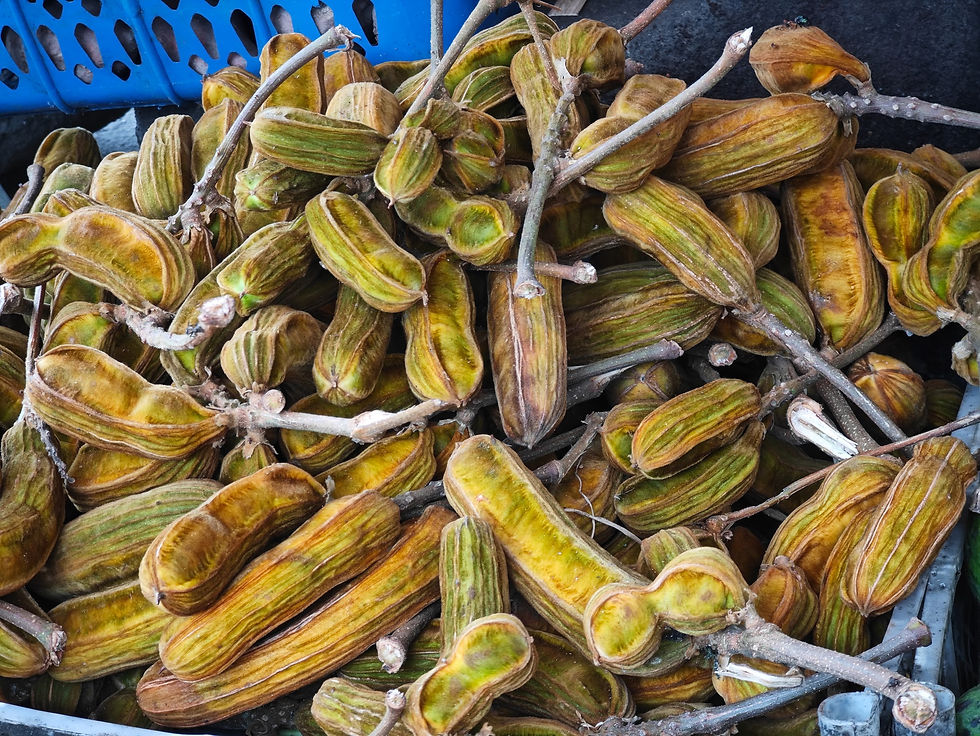
Tamarind, known locally as asam jawa, is a tangy fruit widely used in Indonesian and Balinese cooking. Sold in long, brown, slightly ridged pods, tamarind grows on tall trees and is often harvested still attached to small branches—just like what you see in the markets around Pancasari and Bedugul. Its pulp is prized for its sour-sweet flavor, making it a key ingredient in soups, sauces, sambal, and refreshing drinks.
How to Eat or Use Tamarind
Crack open the brittle brown pod with your hands to reveal the sticky pulp.
Remove the veins that run along the pulp.
Eat the pulp directly (for a sweet-sour snack)— or Soak it in warm water, press it to extract the paste, and strain out the seeds/fibers.
Use the paste in cooking, herbal drinks, or marinades.
Tamarind is known for its bold sourness, with a mild sweetness underneath—perfect for giving Balinese dishes their characteristic tang.
Other fruits available in other season:
Markisa (Passion Fruit) Grown in the cool mountain areas; often large, aromatic, and perfect for juice.
Srikaya (Custard Apple) Soft, creamy, sweet fruit that’s sometimes available depending on the season.
Carica (Highland Papaya) A smaller, tangy type of papaya commonly grown in cooler regions.
Local Avocados Bali’s highland avocados are known for being large, creamy, and often used for drinks.
Jeruk Kintamani / Jeruk Bali (Local Citrus Varieties) Fresh, fragrant oranges grown in highland conditions.

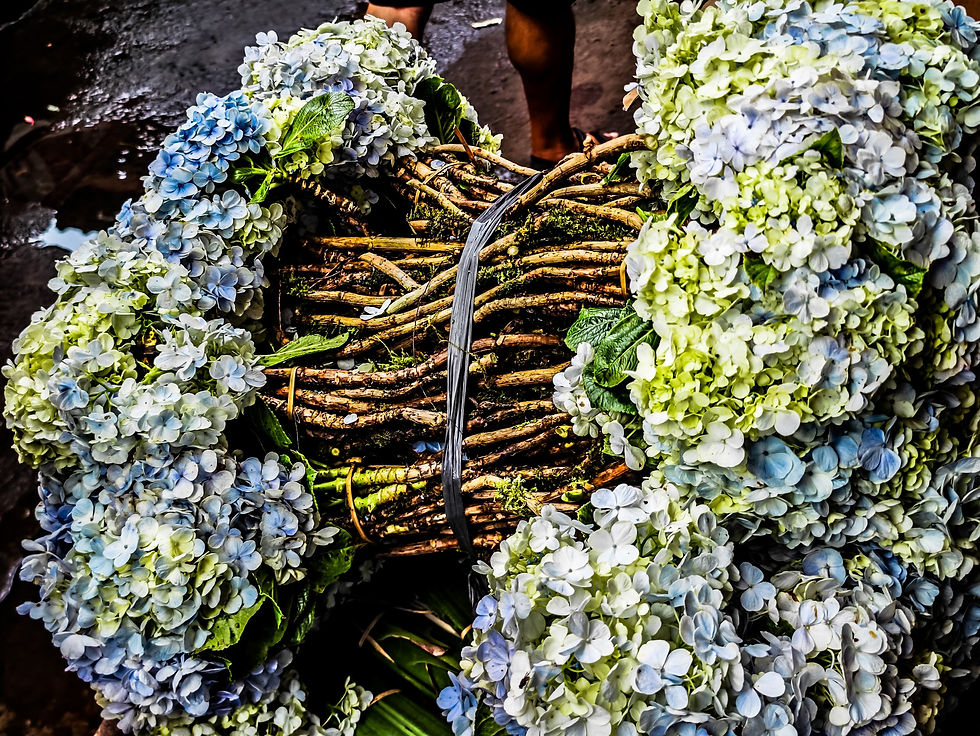
In the market, you’ll also find a variety of other traditional products beyond fruits and vegetables. Vendors sell dried fish, fresh flowers, woven palm leaves, and temple decorations, along with offerings (canang and banten) used in daily Balinese rituals.

These items reflect the strong cultural and spiritual traditions of the local community, making the market not only a place to shop but also a window into everyday Balinese life.
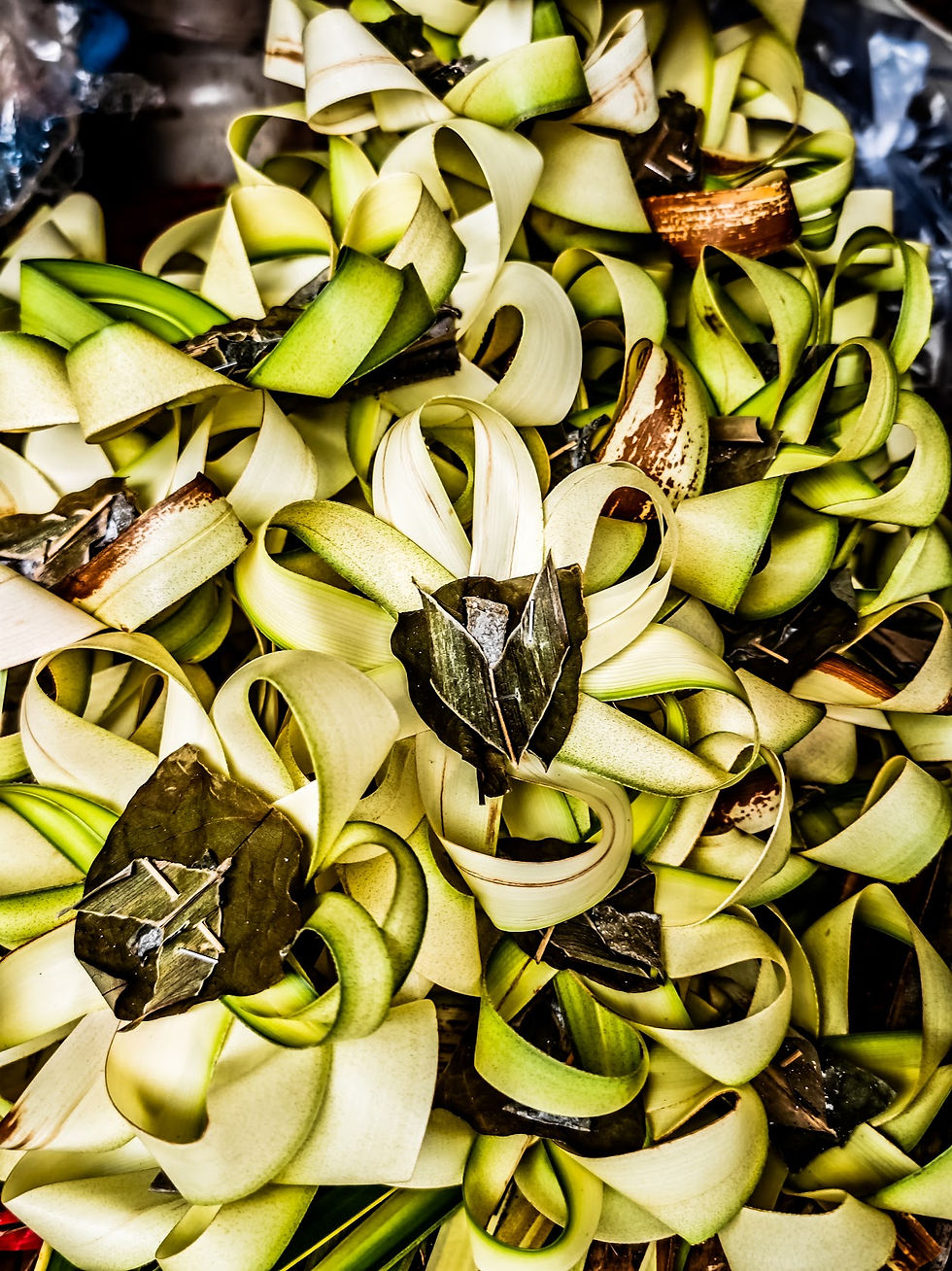
In the market, you’ll also find a variety of other traditional products beyond fruits and vegetables. Vendors sell dried fish, fresh flowers, woven palm leaves, and temple decorations, along with offerings (canang and banten) used in daily Balinese rituals.

Jabe Puri Gede – Vegetable and Fruits Market These items reflect the strong cultural and spiritual traditions of the local community, making the market not only a place to shop but also a window into everyday Balinese life.
Why visit Jabe Puri Gede – Vegetable and Fruits MarketJabe Puri Gede – Vegetable and Fruits Market
Visiting this market is worthwhile because it offers an authentic look into everyday Balinese life—far from the touristy areas. You can explore fresh highland produce, discover unique local fruits, and see traditional items like flowers, dried fish, palm-leaf decorations, and ritual offerings used in Balinese ceremonies.

Jabe Puri Gede – Vegetable and Fruits Market The warm interactions with local vendors, the vibrant colors, and the lively village atmosphere make the experience both culturally enriching and genuinely enjoyable. It’s a great way to connect with Bali’s traditions and support local farmers and artisans. Visiting this market is worthwhile because it offers an authentic look into everyday Balinese life—far from the touristy areas. You can explore fresh highland produce, discover unique local fruits, and see traditional items like flowers, dried fish, palm-leaf decorations, and ritual offerings used in Balinese ceremonies. The warm interactions with local vendors, the vibrant colors, and the lively village atmosphere make the experience both culturally enriching and genuinely enjoyable. It’s a great way to connect with Bali’s traditions and support local farmers and artisans.
Sanur – Bali’s Laid-Back Beach Town With Sunrise Magic
Start the day with a peaceful sunrise along Sanur’s long beachfront walkway. The calm waters, fishing boats, and Mount Agung silhouette create perfect photography conditions.
If you’re looking for a softer, slower version of Bali, Sanur is where you’ll find it. This peaceful beach town glides at a gentler pace than Kuta or Seminyak, making it ideal for travelers who love calm beaches, long seaside walks, good food right on the sand, and easy access to both the airport and the Nusa islands. Sanur blends traditional Balinese charm with just the right amount of modern comfort, all framed by some of the best sunrise views on the island.
Top Things to Do in Sanur


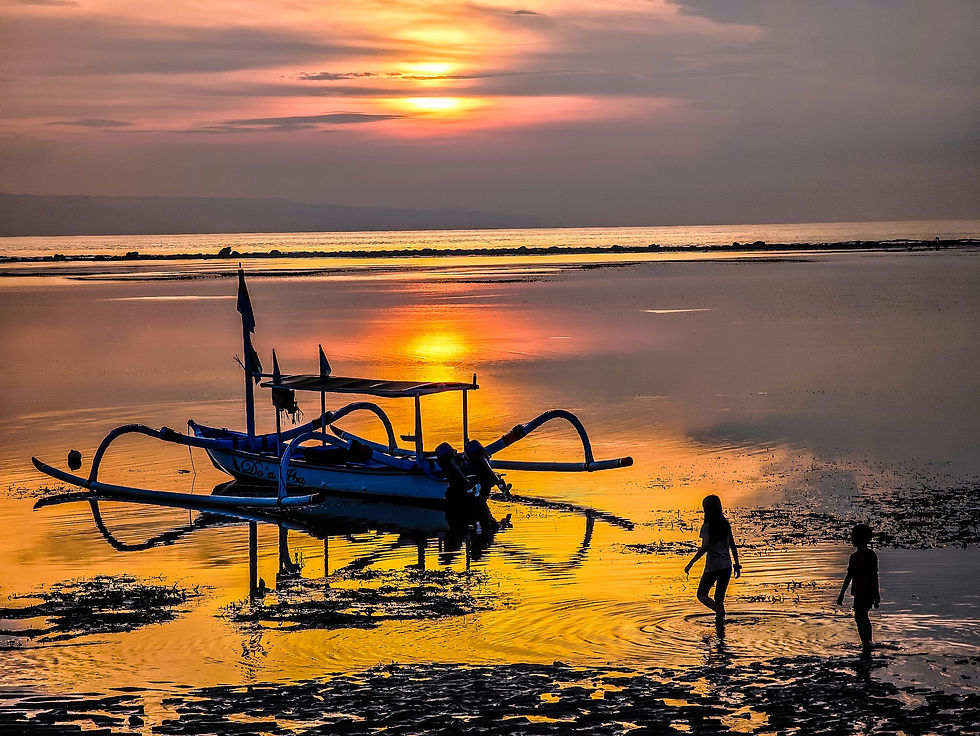
Sunrise at Sanur Beach is one of the most peaceful and magical moments you can experience in Bali. As the first light rises over the calm waters of the east-facing coastline, the sky slowly transforms into soft shades of pink, gold, and orange.
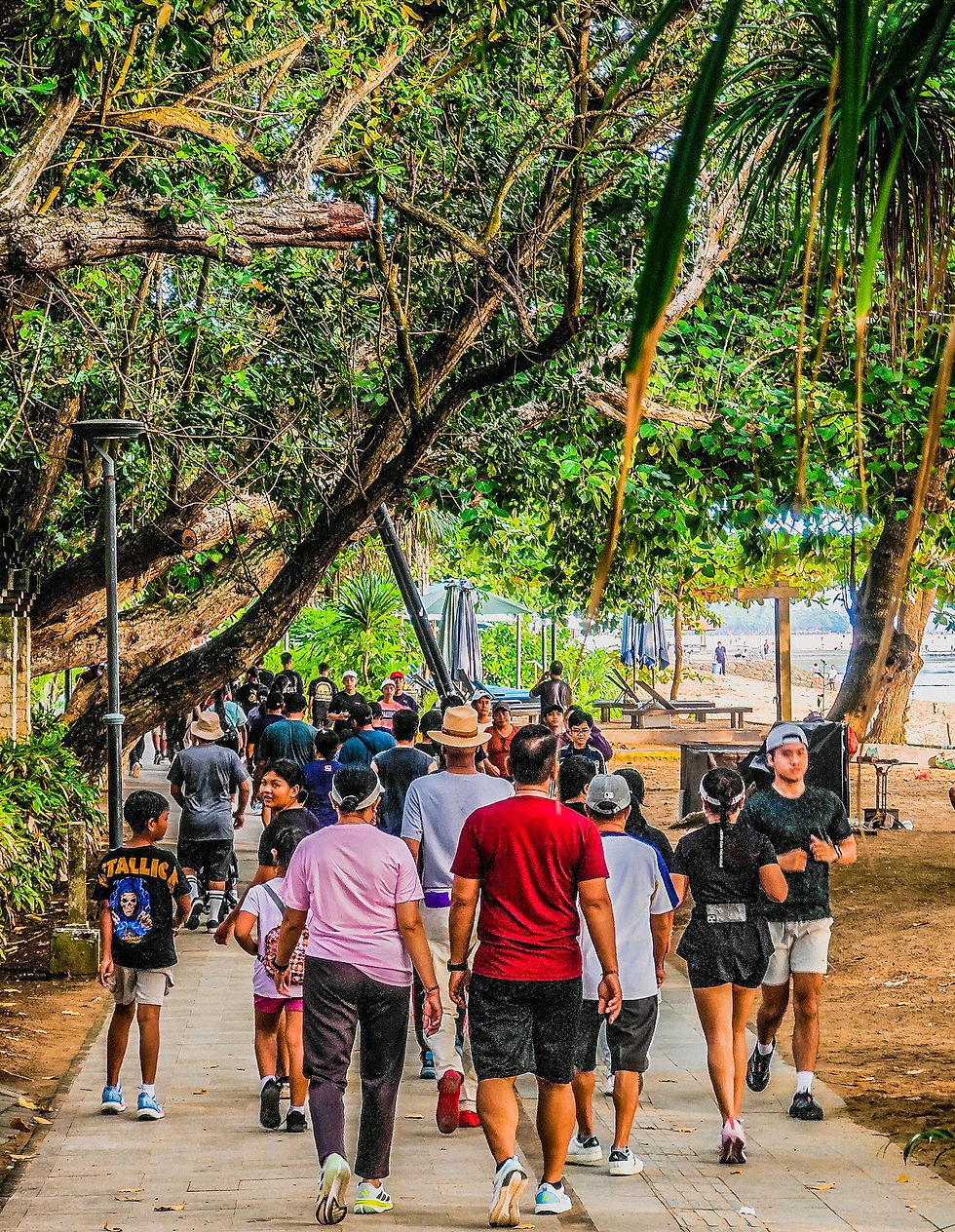
Traditional wooden jukung boats gently float offshore, creating a picture-perfect silhouette against the glowing horizon. The long beachfront promenade comes alive with early joggers, cyclists, and locals preparing offerings, all adding to the gentle rhythm of the morning.
Sanur’s sunrise is not just beautiful—it’s soothing. The sea here remains calm throughout the year, allowing the colors to reflect like glass across the water. Whether you're sipping coffee at a beachfront café, walking along the sand, or simply watching from the shore, sunrise in Sanur sets the tone for a tranquil, refreshing start to the day.


1. Stretch Out on Sanur’s Calm Beaches
The sea here is protected by an offshore reef, creating smooth, shallow water perfect for swimming, paddleboarding, and early-morning walks. Whether you choose Sindhu Beach, Karang Beach, or Segara Ayu, you’ll find quiet stretches of sand, loungers for rent, and plenty of space to unwind.
2. Walk or Cycle the Beach Promenade
Sanur’s iconic beachfront path runs for several kilometers and is one of the most enjoyable strolls in Bali. With no traffic and endless ocean views, it’s perfect for:
cycling between cafés
sunrise photos
jogging along the shore
wandering from beach to beach
It’s easily one of Sanur’s best features.

3. Shop Local—From Markets to Malls
Sanur mixes small local stalls with simple shopping centers.
Hardy’s Sanur is great for souvenirs, snacks, and local goods.
Icon Mall Sanur offers modern shops and cafés.
Beachside art stalls sell sarongs, wooden crafts, and beachwear made by local families.
Nothing hectic—just easy, relaxed browsing.
4. Dine Right on the Beach

Sanur’s food scene is all about the ocean breeze and sandy toes. Many restaurants sit directly on the beach, some with tables on the sand. Favorites include:
Soul on the Beach – vibrant, healthy dishes with a fun vibe
The Nest Grill – perfect for a slow dinner as the sky turns pastel
Sand Beach Bar & Grill – casual eats with sweeping views
Warung Baby Monkeys – lively atmosphere and tasty local food
Dining here is generally more affordable than Seminyak or Canggu—and just as delicious.

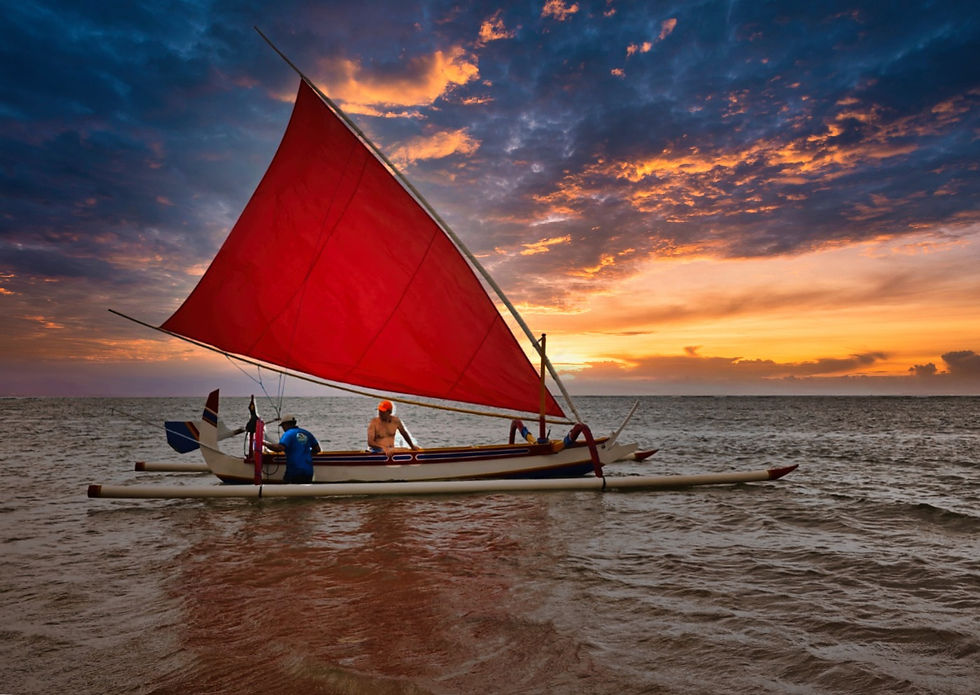
5. Try Watersports in Gentle Waters
Thanks to the calm sea, Sanur is an excellent place for beginners to try:
kitesurfing
windsurfing
stand-up paddleboarding
glass-bottom boat rides
Local operators are everywhere along the beach.
6. Explore a Bit of Culture at Le Mayeur Museum
Set right by the sea, this small museum honors Belgian painter Adrien-Jean Le Mayeur, who fell in love with Bali and spent his life capturing its beauty. It’s quiet, atmospheric, and a lovely cultural stop between beach strolls.
Perfect Location: Close to the Airport
Sanur is only 20–25 minutes from Ngurah Rai International Airport, making it an ideal first or last base in Bali—no long transfers, no stress.

Best Gateway to Nusa Penida
If you’re planning a trip to Nusa Penida, Lembongan, or Ceningan, Sanur is the most convenient place to stay. Boats depart from Sanur Harbour (Matahari Terbit Port) several times a day:
Nusa Penida: 30–45 minutes
Nusa Lembongan: 25–30 minutes
Nusa Ceningan: via Lembongan
Booking is easy—online or directly at the harbor.
Why Travelers Love Sanur
Peaceful, shallow beaches
Ideal for families, couples, and older visitors
Gorgeous sunrises
Lots of beachfront cafés and restaurants
Close to the airport
Best launching point for Nusa Penida
Safe, relaxed, and wonderfully walkable
Sailing a traditional Balinese jukung in Sanur

Sailing a traditional Balinese jukung in Sanur is a peaceful and unforgettable experience.
With its colorful outriggers and gentle glide over calm morning waters, the jukung offers a beautiful way to enjoy Sanur’s coastline, watch the sunrise, and feel the rhythm of local seaside life.
Balinese Boat Construction – The Traditional Jukung
The Balinese jukung is a traditional wooden fishing boat recognized by its colorful paint and distinctive double outriggers on each side. These outriggers give the boat excellent stability, allowing it to glide smoothly over calm seas like those in Sanur.

How a Jukung Is Constructed

Wooden Hull: The body of the boat is carved from sturdy local wood, traditionally from jackfruit or breadfruit trees. Modern jukungs may use fiberglass, but many fishermen still prefer wood for its flexibility and durability.

Jukung boat Double Outriggers (Katir): Two long bamboo poles are attached to each side of the hull to keep the boat balanced. These are the key feature that makes the jukung ideal for coastal waters and fishing.

Sail or Motor: Traditionally, jukungs used a triangular sail, but many modern ones now have small motors while still keeping their iconic shape.
Bright Colors and Patterns: Each boat is hand-painted with bold colors and traditional motifs. The designs are not just decorative—they’re believed to bring protection and good luck to fishermen.

Why It's Special: The construction blends practical design, craftsmanship, and Balinese cultural identity. Every jukung is handmade, often by fishermen themselves, using methods passed down through generations. This makes each boat not just a vessel, but a piece of living heritage.
Villa rentals in Bali
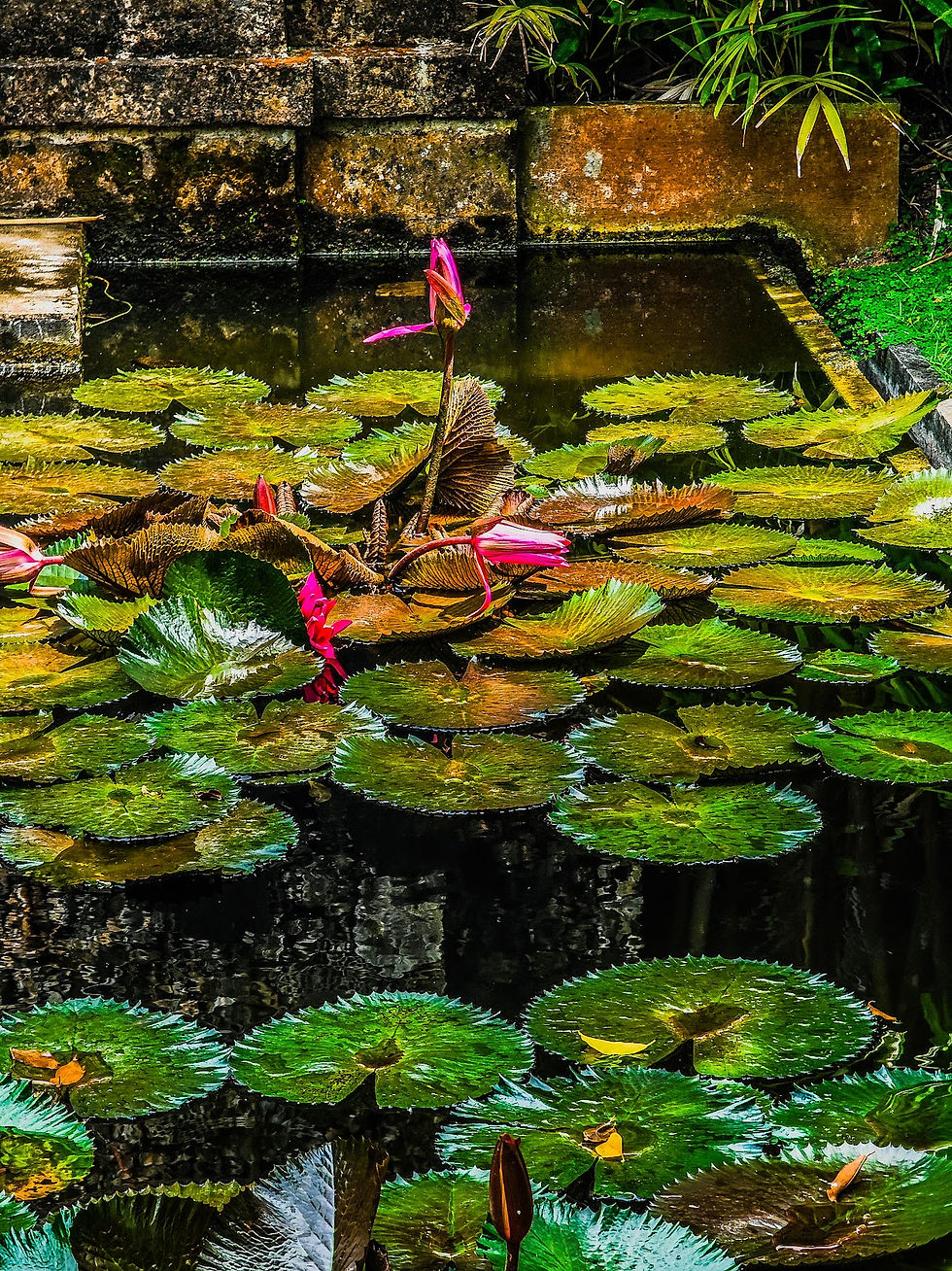


Villa rentals in Bali have become one of the most popular accommodation choices for travelers seeking comfort, privacy, and an authentic island experience. Unlike standard hotel rooms, villas offer spacious living areas, private pools, tropical gardens, and a serene home-like atmosphere—often at a surprisingly accessible price. Depending on the area and level of luxury, many Bali villas cost

the same or even less than mid-range hotels, especially when shared among couples, families, or groups. This makes villa rentals one of the best-value options on the island.


Many of these villas stand out because of their beautiful architectural design, blending Balinese craftsmanship with modern tropical aesthetics. Properties like Villa Pantai Karang in Sanur are perfect examples—thoughtfully designed with open-air living spaces, local materials, elegant décor, and lush gardens that showcase the charm of coastal Bali. These creative designs are typically crafted by talented local architects and artisans who specialize in combining tradition with contemporary comfort.
Whether you're seeking beachfront tranquility, jungle hideaways, or stylish urban stays, Bali’s villa scene offers a unique blend of luxury, cultural character, and excellent value that often surpasses hotel experiences.
Tanah Lot – Bali’s Iconic Sea Temple on the Edge of the Indian Ocean
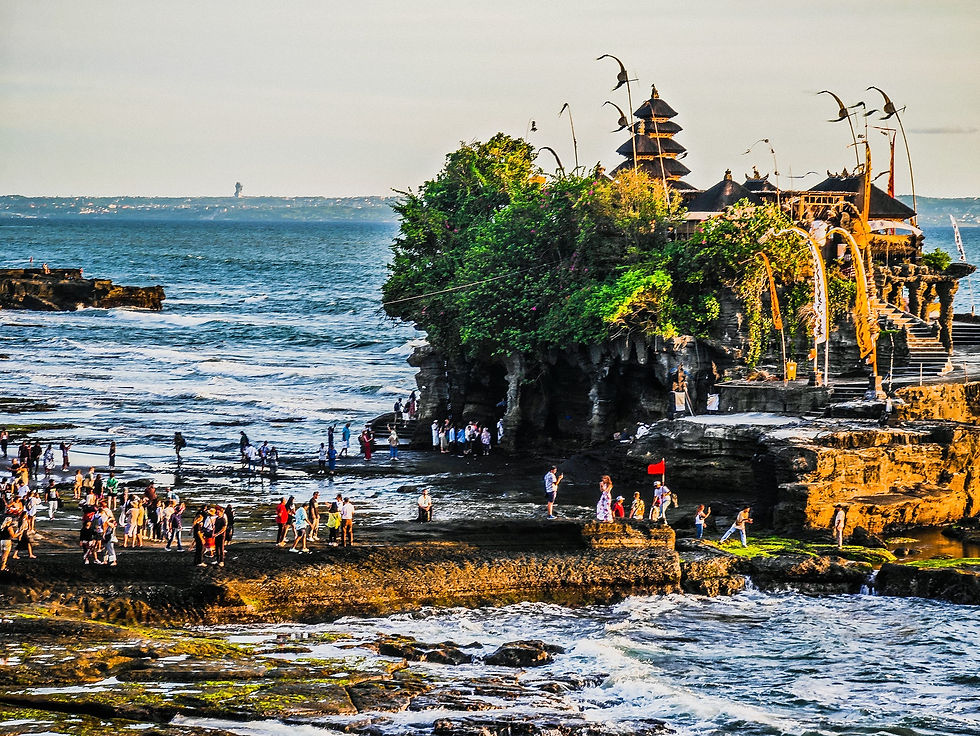
Tanah Lot is one of Bali’s most photographed and spiritually significant temples, perched on a dramatic rock formation just off the island’s western coastline. Surrounded by crashing waves and glowing sunsets, it perfectly captures the mystical atmosphere that has made Bali famous. The name Tanah Lot means “Land in the Sea,” a fitting description for this temple that appears to float when the tide rises.
History & Spiritual Significance
Tanah Lot dates back to the 16th century and is attributed to Dang Hyang Nirartha, a revered Hindu priest who travelled across Bali establishing sea temples.

Dedicated to the sea gods, this offshore rock is believed to be protected by sacred energy and holy water springs.

Today, Tanah Lot remains an active place of worship, especially during major ceremonies. While the inner temple is not open to tourists, the surrounding cliffs offer spectacular panoramic views.
Tanah Lot Sunset
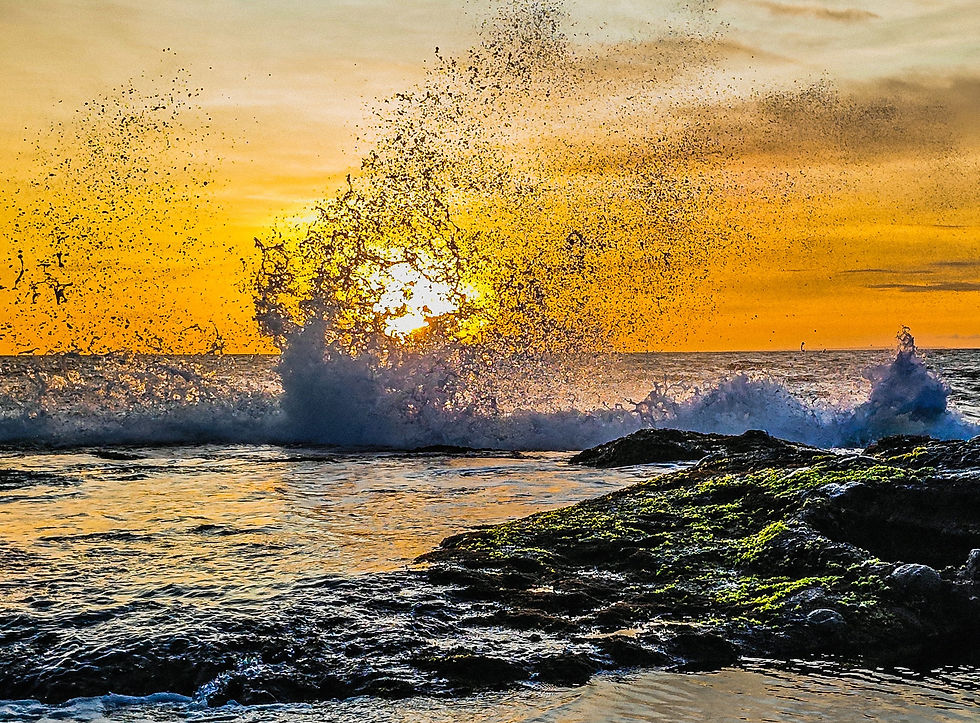
Stand before Bali’s dramatic sea temple perched on a black rock formation. During sunset, the sky turns orange and gold, offering one of the island’s most unforgettable views.
Tanah Lot blends mythology, natural beauty, and living tradition into one unforgettable experience. Whether you're watching waves crash beneath the temple, admiring a fiery sunset, or observing Balinese rituals, the site offers a powerful connection to Bali’s spiritual identity. It is one of the island’s most essential and memorable highlights.
What Makes Tanah Lot Special
The Temple on the Rock:
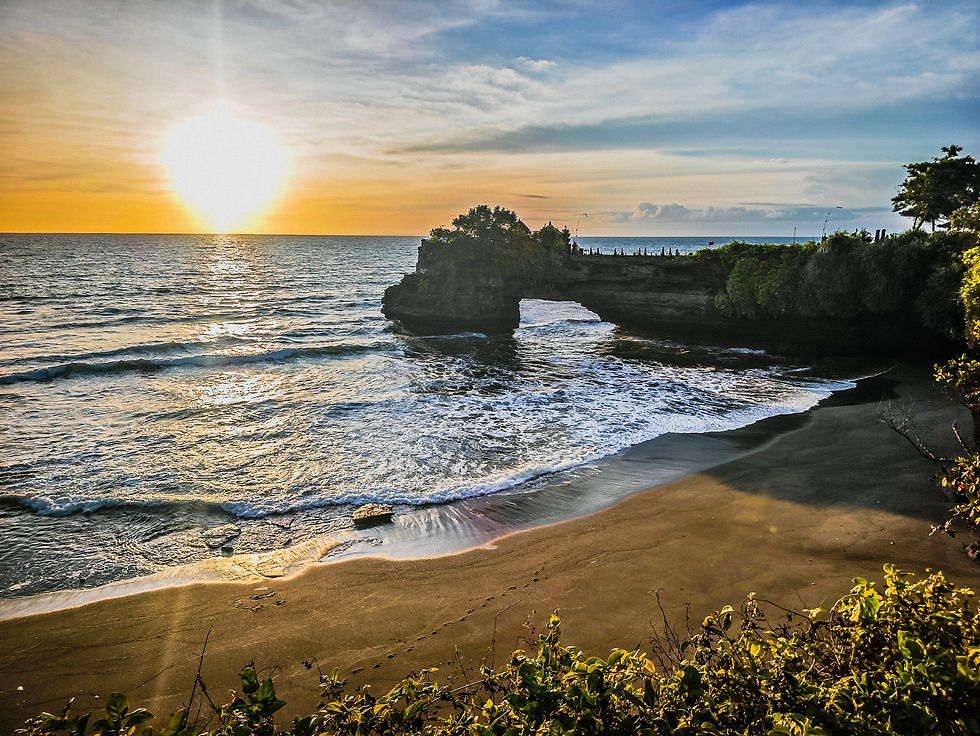
During high tide, the rock becomes completely surrounded by water, making the temple look like it is floating above the ocean.
Spectacular Sunsets:

The golden hour at Tanah Lot is world-famous, with the temple forming a perfect silhouette against the glowing sky.
Dramatic Coastal Scenery:

Black volcanic sand, crashing waves, and carved rock formations create a powerful natural setting.
Rich Cultural Atmosphere:

Traditional offerings, temple guards, and visible rituals add a strong spiritual presence to the site.
What to See Around the Area

Batu Bolong Temple: A beautiful sea temple built on a natural rock arch with sweeping ocean views.
Holy Spring at the Base of Tanah Lot: Accessible at low tide; locals believe the spring water has purifying powers.
Cultural Market : A lively path of stalls selling sarongs, crafts, spices, paintings, and snacks.
Best Time to Visit
Time of Day
Sunset is the most popular and photogenic moment.
Morning offers fewer crowds and calmer energy.
Tide Conditions
High tide: temple floats on the sea
Low tide: you can walk closer to the rock base
Checking tide charts helps plan your visit.

Photography Tips
Capture the temple from the upper cliffs for the best composition.
Silhouettes at sunset create iconic images.
Include rocks and waves for dramatic foreground effects
Use a polarizing filter to reduce sea glare.
Practical Information
Entrance Fee: Approximately IDR 60,000 per adult (subject to change).
Dress Code: Temple sarongs not required unless entering inner prayer areas.
Accessibility: Paths are paved but uneven near cliffs; comfortable shoes recommended.
Safety Tips

Do not cross safety barriers — waves can be strong and unpredictable.
Be cautious near cliff edges, especially in windy or wet conditions.
Rocks at low tide are slippery — walk carefully.
Scuba Diving in Bali – A World-Class Underwater Experience
Scuba diving in Bali offers a rich combination of colorful coral reefs, diverse marine life, dramatic underwater landscapes, and excellent visibility. Whether you are a beginner or an advanced diver, the island provides unforgettable underwater adventures.
Bali sits within the Coral Triangle, one of the most biodiverse marine environments on the planet. This means hundreds of coral species, thousands of fish species, and reliable encounters with manta rays and, in some seasons, the famous mola mola (sunfish).
Best Diving Areas in Bali
Nusa Penida
Nusa Penida is Bali’s top diving destination and the best place to see manta rays.
Highlights:
Manta Point
Manta Bay
Crystal Bay
Gamat Bay and Toyapakeh
Occasional mola mola sightings (July–October)
Conditions: Currents can be strong, so diving with experienced guides is essential.
Amed
Amed is a calm seaside village perfect for relaxed diving and beginners.
Highlights:
Beautiful coral reefs
Gentle drift dives
Black volcanic sand
Excellent for training courses
Tulamben
Home to Bali’s most famous dive site, the USAT Liberty Shipwreck.
Highlights:
Shore entry
Large coral-covered wreck
Excellent fish life
Great for photography
Nusa Lembongan
Known for exciting drift dives and healthy coral walls.
Highlights:
Strong currents for experienced divers
Regular manta sightings
Stunning underwater topography
5. Menjangan Island
Part of Bali Barat National Park, located in the northwest of the island.
Highlights:
Calm conditions
Clear visibility
Beautiful wall dives
Suitable for beginners and relaxed divers
Marine Life You Can See
Scuba diving in Bali is diverse, exciting, and suitable for all experience levels. From manta ray encounters to pristine reefs and iconic shipwrecks, Bali’s underwater world remains one of its most captivating attractions. Whether you are trying scuba for the first time or aiming for advanced drift dives, Bali offers exceptional marine experiences.
Larger Marine Life
Manta rays
Mola mola (sunfish)
Reef sharks
Sea turtles
Macro Life
Nudibranchs
Leaf scorpionfish
Frogfish
Pygmy seahorses
Reef Fish
Parrotfish
Butterflyfish
Trevallies
Clownfish
Schools of barracuda
When to Dive in Bali
Diving is possible year-round.
Dry season (April–October) usually offers the best conditions.
Rainy season (November–March) can bring changing visibility.
Manta rays are present all year.
Mola mola season peaks from July to October.
Diving Conditions
Visibility: 10–40 meters
Water temperature: 24–28°C
Currents: mild to strong (Penida and Lembongan)
Wetsuit: 3 mm or shorty; 5 mm recommended for mola mola season
Safety and Tips
Always dive with a certified, reputable local operator.
Nusa Penida sites can have strong currents—experience is beneficial.
Use reef-safe sunscreen.
Never touch corals or marine animals.
Early morning dives offer calmer conditions and better visibility.
Bali Coffee – Rich, Earthy & Part of Daily Life
Coffee has been part of Balinese culture for centuries, and the island produces excellent beans thanks to its fertile volcanic soil. Most Balinese coffee is grown in the highlands around Kintamani, Batukaru, and Bedugul, where cool temperatures and mineral-rich earth give the beans their distinctive flavor.

Traditional Balinese coffee, often called “kopi Bali”, is prepared using a simple method: finely ground beans are mixed directly with hot water and allowed to settle naturally. The result is a rich, earthy, slightly chocolatey cup with a bold aroma. Many small family plantations still roast their beans over wood fires, giving Balinese coffee a rustic, authentic character.

Kopi Luwak is a rare Indonesian coffee made from beans that have been eaten and passed by the Asian palm civet (luwak), creating a unique natural fermentation. This process results in a smooth, low-acidity coffee with distinctive flavor notes that attract curious travelers and coffee enthusiasts worldwide.
Cafés across the island now serve modern espresso-based drinks, but in villages and homes, kopi Bali remains the daily ritual — served strong, hot, and often sweet.

Kopi Luwak is a rare Indonesian coffee made from beans that have been eaten and passed by the Asian palm civet (luwak), creating a unique natural fermentation. This process results in a smooth, low-acidity coffee with distinctive flavor notes that attract curious travelers and coffee enthusiasts worldwide.
Traditional, ethical kopi luwak production relies on wild civets. However, many commercial farms in Bali and Indonesia keep civets in cages to meet demand. This practice raises serious animal welfare concerns.
Many responsible plantations now focus on wild civet coffee only, ensuring better treatment of animals.
Tasting Experience
A typical tasting session in Bali lets you try:
Balinese arabica and robusta
Vanilla coffee
Ginseng coffee
Ginger tea
Cocoa drinks
Luwak coffee (extra cost)
Plantation visits often include a tour explaining the roasting and grinding process, with a chance to buy freshly packaged beans.
Tegal Sari Agro Wisata - Coffee Experience


Tegal Sari Agro Wisata and Kopi Luwak is a welcoming coffee plantation experience where visitors can explore Bali’s rich agricultural traditions and discover the world of authentic Balinese coffee.
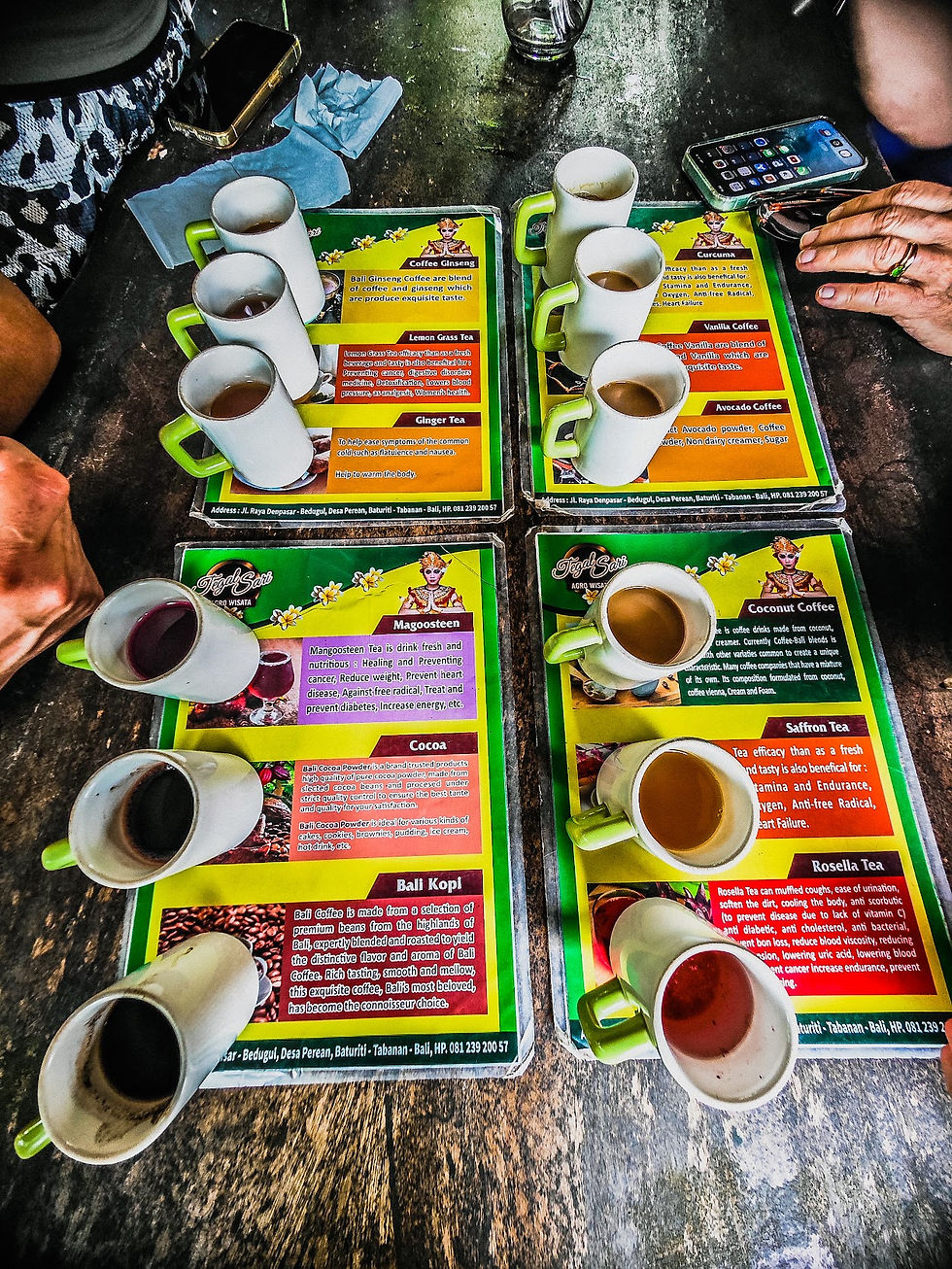
Set among lush greenery and cool mountain air, this agro-tourism spot offers guided walks through coffee gardens, hands-on insight into the roasting process, and tastings of various local brews—including the famous Kopi Luwak, often called the world’s most unique coffee.

With friendly hosts, scenic viewpoints, and a relaxed rural atmosphere, Tegal Sari Agro Wisata - Coffee Experience provides an enjoyable blend of education, culture, and flavor for anyone looking to experience Bali beyond its beaches.

Luwak in Bali refers to the Asian palm civet, a nocturnal animal known for its role in producing Kopi Luwak, one of the island’s most unique and talked-about coffees. Found in Bali’s highland forests and agricultural areas, the luwak naturally selects and eats ripe coffee cherries, which then undergo a distinctive fermentation process before being collected and roasted. This traditional method has long been part of Bali’s coffee-growing heritage, attracting visitors who are curious about the animal, the process, and the flavors that make Kopi Luwak famous.
Should You Try It?
Bali coffee → absolutely. It's authentic, flavorful, and reflects the island's volcanic landscape and culture.
Luwak coffee → worth trying only from ethical, wild-sourced farms.
For many travelers, the experience is memorable — both educational and delicious.
Local Markets in Bali – A Lively Taste of Daily Island Life
Bali’s local markets burst with color and energy from the early morning hours, as farmers unload fresh vegetables, fragrant herbs, tropical fruits, rice, and spices straight from the countryside. Amid the bustle, vendors offer everything from traditional snacks to woven baskets, incense, flower offerings, and everyday household goods. Visiting these markets gives travelers an authentic window into Balinese culture and the rhythm of local life.

Traveler Tips: How to Bargain Politely in Bali
Start low but friendly: Offer around 50–60% of the first price, then meet somewhere in the middle.
Smile and stay relaxed: A warm attitude usually leads to better deals.
Don’t bargain for food: Fresh produce prices are typically fixed and already inexpensive.
Buy more for a better price: Vendors often give discounts for multiple items.
Know when to walk away: If the price feels too high, politely thank them and move on—sometimes they’ll call you back with a better offer.
Massage in Bali – A Relaxing Tradition Rooted in Healing
Massage in Bali is more than a wellness treatment—it’s a cultural ritual. Rooted in ancient Indonesian healing traditions, Balinese massage blends gentle stretches, acupressure, aromatherapy, and flowing strokes to calm the mind and restore energy. Many visitors say it feels like a mix of deep relaxation and spiritual cleansing, thanks to Bali’s holistic approach and the island’s tranquil atmosphere.
How Balinese Massage Differs From Other Types of Massage
1. Balinese Massage
Combines acupressure, skin rolling, kneading, and aromatherapy.
Uses scented oils like frangipani, jasmine, and coconut.
Medium pressure, very rhythmic and flowing.
Goal: relaxation + energy balance.
2. Thai Massage
No oils, done on a mat.
Uses stretching, pulling, and joint mobility.
More “active” and yoga-like.
3. Swedish Massage
Very gentle, long strokes.
Ideal for pure relaxation rather than deep work.
Less focus on energy flow compared to Balinese techniques.
4. Deep Tissue Massage
Intense pressure targeting muscle knots.
More clinical and muscle-therapy oriented.
Not as aromatic or ritualistic.
5. Hot Stone Massage
Uses warm stones to relax tight muscles.
Often
added to Balinese treatments but not originally part of traditional Balinese massage.
Massage place type in Bali:
Beach Massage: Relax on the sand while enjoying an affordable massage with ocean waves and sea breeze around you.
Street / Local Massage Shops: Quick and budget-friendly massages offered in simple, clean shops found all across Bali’s busy streets.
Hotel Spas: Comfortable, professional massages provided inside hotels for guests looking for reliable service and a calm environment.
Day Spas: Stylish independent spas offering high-quality treatments and traditional Balinese techniques in beautifully designed spaces.
Luxury Spas & Wellness Retreats: Exclusive, nature-immersed retreats where premium massages and holistic therapies create a full relaxation experience.
Place Type | Price | Best For | Atmosphere |
Beach Massage | $5–$10 | Quick, casual relaxation | Ocean breeze, outdoor |
Street Shops | $7–$15 | Budget massage, easy access | Simple, local, clean |
Hotel Spa | $20–$70 | Comfortable, hygienic, reliable | Calm, comfortable |
Day Spa | $25–$50 | High quality & professional | Beautiful, relaxing |
Luxury Retreat | $80–$200+ | Special occasions, full pampering | Nature, jungle, premium |
Art & Craft in Bali – Silver, Gold, Wood & Paintings
Bali is a paradise not only for nature lovers but also for art enthusiasts, offering some of the richest traditional craftsmanship in Southeast Asia. Across the island, you’ll find talented artisans creating silver jewelry, intricate wood carvings, traditional paintings, and even gold pieces that carry generations of cultural heritage.
Silver & Gold Jewelry – Celuk Village
The village of Celuk, near Ubud, is Bali’s jewelry capital. Here, families have been crafting silver and gold for centuries, using delicate techniques to produce rings, bracelets, filigree work, and ceremonial pieces. Visitors can watch artisans at work, learn about the process, and buy handcrafted jewelry directly from the makers—often at better prices than tourist shops.
Wood Carving – Mas & Kemenuh
Bali’s woodcarvers are world-famous, and the villages of Mas and Kemenuh are the best places to experience this art. Workshops display beautifully carved masks, statues, doors, and furniture, all made from teak, ebony, or crocodile wood. Many studios allow visitors to
walk through the carving areas, giving a close look at how each piece is shaped by hand.
Painting & Art Galleries – Ubud
Ubud is Bali’s creative heart. From traditional Balinese paintings influenced by Hindu epics to modern abstract art, you’ll find a huge variety of galleries and studios. Neighborhoods like Pengosekan and Nyuh Kuning are filled with small ateliers where artists welcome visitors. Larger stops include the Neka Art Museum, Agung Rai Museum of Art (ARMA), and Museum Puri Lukisan.
Buying Art in Bali
Prices vary depending on the craftsmanship and size, but bargaining is normal in local shops.
Galleries in Ubud tend to sell higher-quality pieces, often signed by the artist.
Many wood and jewelry workshops offer custom orders.
Most shops can arrange international shipping for larger carvings or artwork.
🌟 Why These Art Forms Matter
These crafts aren't mass-produced—they're living traditions passed down through families for generations. A visit to these artisan villages lets you experience Bali’s culture beyond beaches: the patience, skill, and spiritual meaning infused into every piece.
Silver Factories Around Sanur

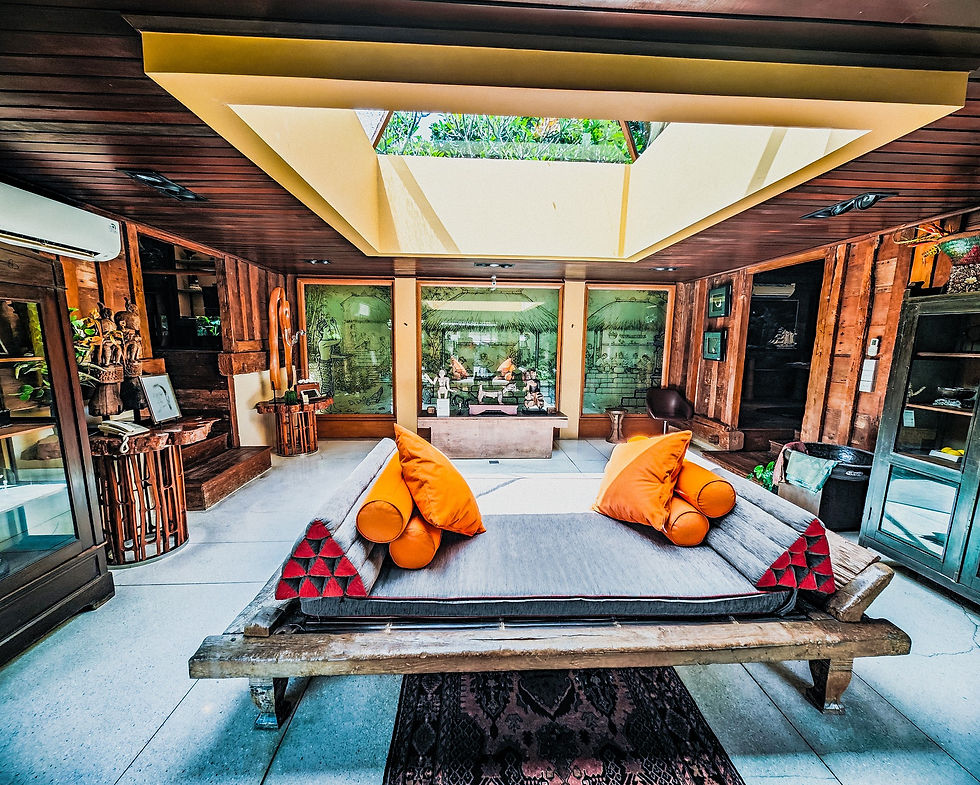
The area around Sanur is home to several renowned silver factories where visitors can discover Bali’s rich tradition of metal craftsmanship. These workshops are run by skilled Balinese silversmiths who handcraft intricate jewelry using techniques passed down through generations. From delicate filigree patterns to bold contemporary designs, the production process highlights the island’s reputation for artistry and attention to detail.
Many of these factories feature fantastic showrooms showcasing their finest creations—necklaces, rings, earrings, and custom pieces that blend traditional motifs with modern elegance.


Visitors can observe the crafting process, learn about the materials and methods used, and explore beautifully curated displays that highlight the diversity of Balinese silverwork. For travelers interested in culture, craftsmanship, or unique souvenirs, the silver factories around Sanur offer an inspiring and memorable experience.

In many silver factories and showrooms around Sanur, prices are generally fixed, especially in larger, well-established factories with official displays and certified products. These places often operate like boutiques or galleries, where each piece has a set price based on weight, craftsmanship, and design.

However, in smaller workshops or markets, some negotiation may be possible, though not as commonly as in tourist markets like Ubud or Kuta.
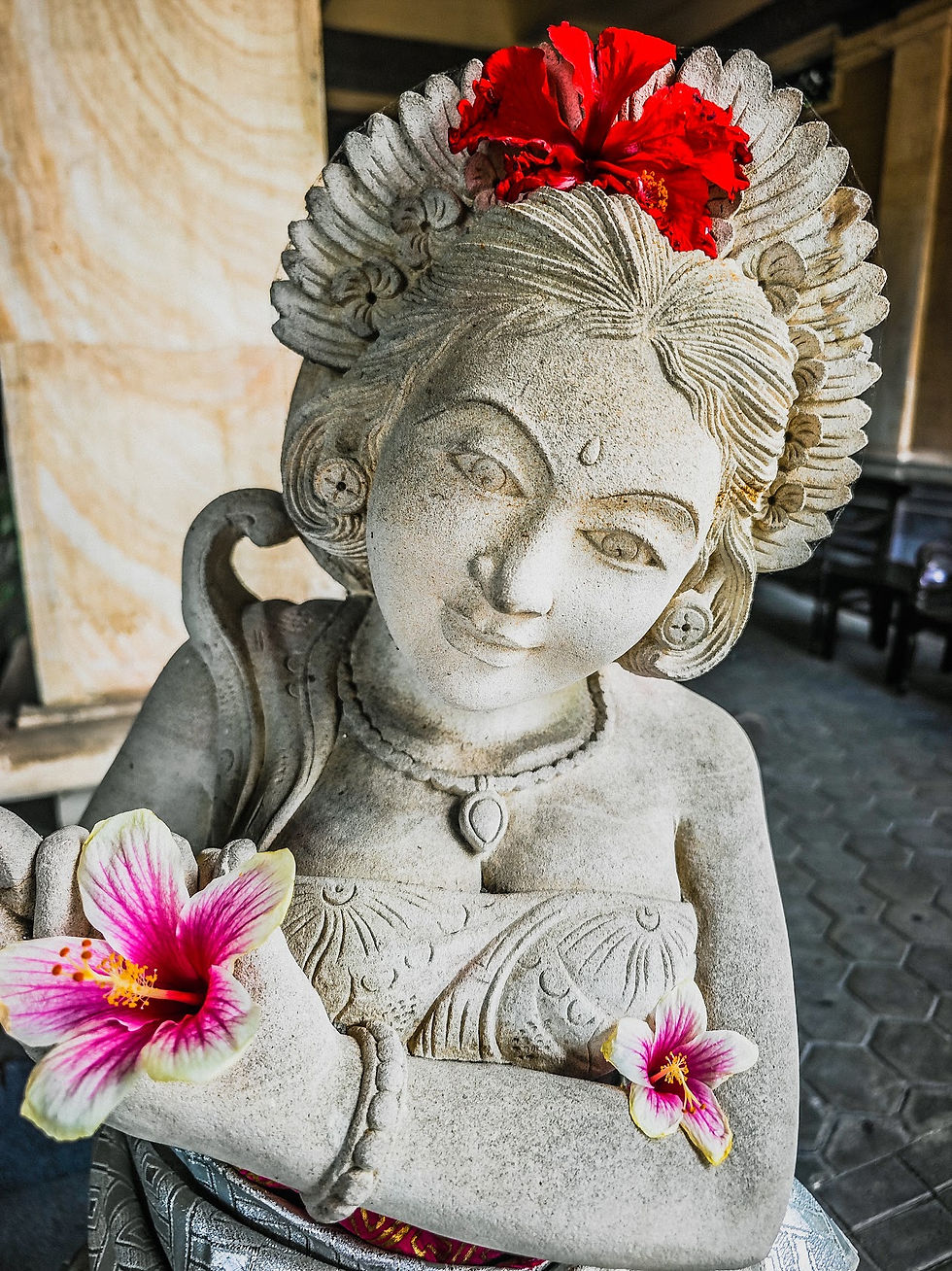
It’s worth visiting even if you’re not buying anything—simply watching the silversmiths at work and admiring the beautifully designed showrooms makes the experience truly special.

Most silver factories around Sanur offer fixed prices, especially in larger, reputable showrooms where pieces are handcrafted and certified. Visitors should look for the 925 sterling silver stamp, be cautious of items that seem unusually cheap, and understand that craftsmanship, weight, and design complexity influence the cost. It’s also worth asking about guarantees, repairs, or custom orders.
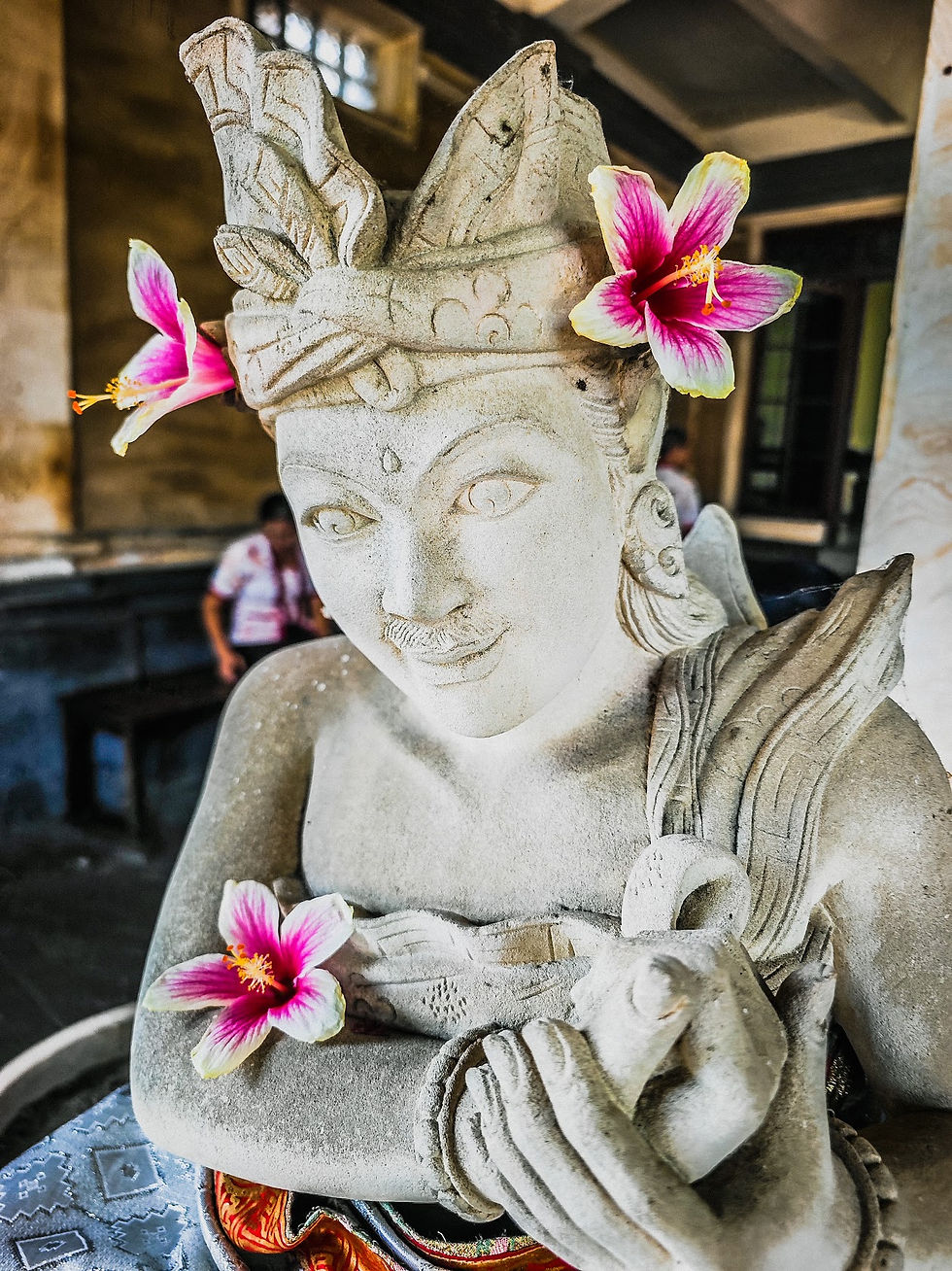
With beautiful displays and skilled artisans at work, these factories provide both high-quality jewelry and a fascinating glimpse into Balinese craftsmanship.
4BTravelGuide Advice - Buying silver in Bali
Buying silver in Bali is worth considering—especially pieces made by hand. Balinese silversmiths are known for their incredible craftsmanship, using techniques that have been passed down through generations. Handmade silver jewelry from Bali often features detailed filigree work, traditional motifs, and unique designs that you won’t find in mass-produced items.

What makes Balinese silver special is the combination of skill, cultural heritage, and artistry. Each piece is carefully crafted, often taking hours of precise, delicate work. Many workshops also use high-quality 925 sterling silver, ensuring durability and authenticity. When you purchase handmade silver in Bali, you’re not only getting a beautiful, unique piece—you’re also supporting local artisans and preserving a traditional craft that is deeply rooted in Balinese culture.
Some curiosities in Bali
What the Swastika Means in Bali?
The Swastika symbol is commonly used, but it has nothing to do with the Nazi symbol or its negative meaning.
“Om Swastyastu” (often spelled Om Swastiastu) is a traditional Balinese Hindu greeting.
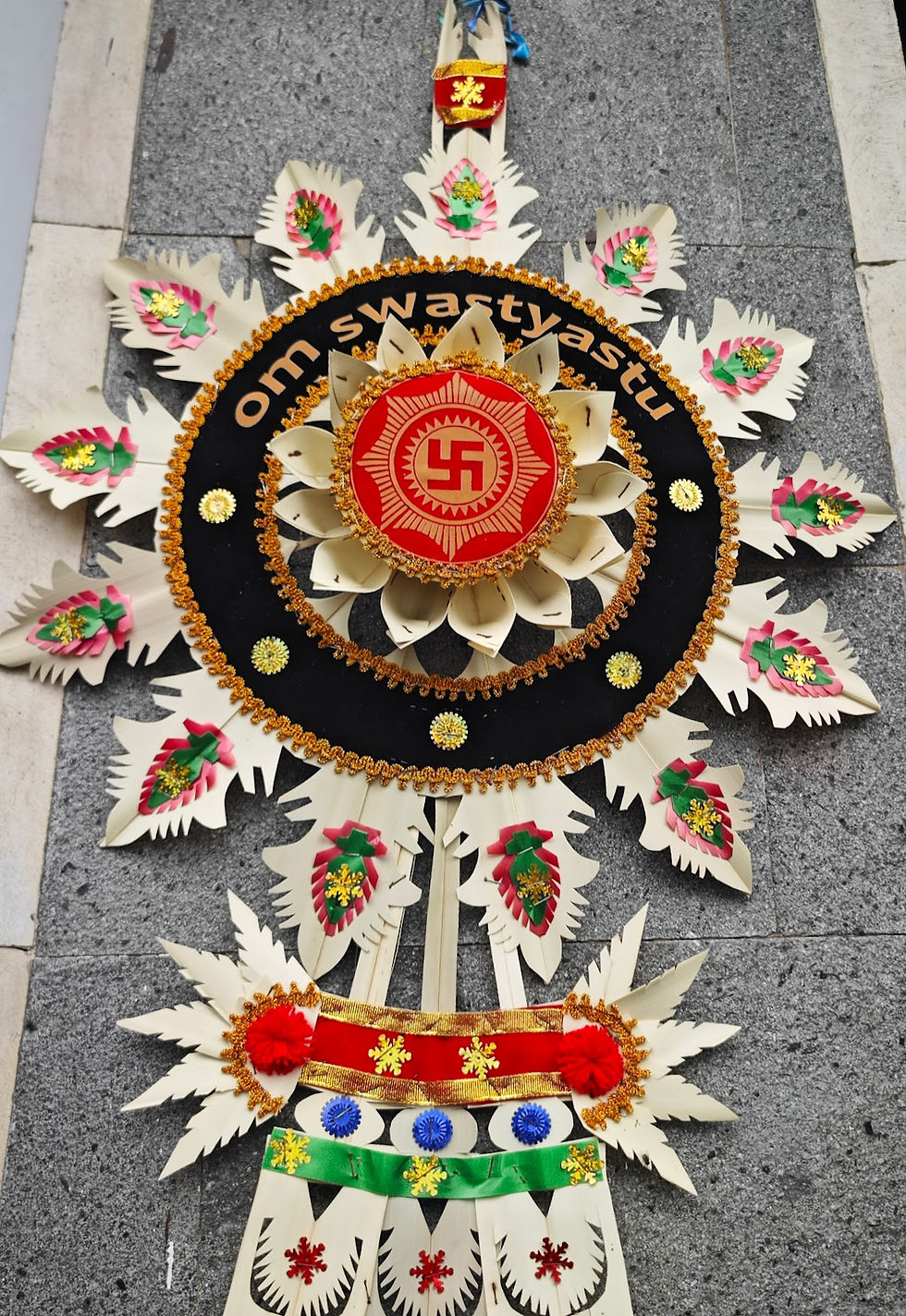
Meaning
It roughly translates to: “May you be blessed with peace and prosperity.” or “Greetings, may the divine bring you safety and well-being.”
In Balinese Hinduism, the swastika is an ancient sacred symbol representing:
good fortune
harmony
balance of the universe
eternal life and protection
It appears in temples, offerings, carvings, and on traditional decorations. In Sanskrit, swasti means well-being, which is also the root of the greeting "Om Swastyastu."
How It Differs From the Nazi Symbol
The Balinese/Indian/Hindu swastika is thousands of years older.
It is typically upright, not tilted at 45 degrees.
It rotates clockwise, symbolizing the sun and cosmic energy.
It has spiritual and positive meaning.
Why Visitors See It Often
Because Bali is predominantly Hindu, the swastika is part of daily spiritual life — you may see it on:
temple gates
holy cloths (kain poleng)
ceremonial objects
statues and altars
paintings and offerings
It is always used in a respectful, religious context, not a political one.
Closing Remarks
This Bali & Nusa Penida itinerary combines spiritual beauty, nature, ocean wildlife, and unforgettable cultural landscapes. From sunrise in Sanur to manta rays along Penida’s cliffs and golden sunsets at Tanah Lot, it captures the very essence of what makes Bali magical. It’s a journey rich in emotion, colors, and contrasts — the perfect gateway into the heart of the Island of the Gods.
Special Thanks: Many thanks Ayu back in Switzerland for arranging with her brothers in Bali excellent transport and trips.
For our local transportation, private trip arrangements, factories and special stores (silver, wood carving, paintings, local markets) and guided excursions, we used Bali Victory Transport.
Bali Victory Transport
+6281237417479


By incorporating personalized care plans and advanced treatment options, foot mobilisation therapy podiatry helps patients overcome the obstacles that limit mobility, empowering them to move through life with greater ease and confidence.
Dengan materi yang terorganisir, Informatika Kelas 8 membantu meningkatkan pemahaman digital siswa secara bertahap. Cocok untuk belajar mandiri.
Dengan mengikuti IPS Kelas 10, siswa dapat memahami hubungan antar konsep sosial secara menyeluruh. Materi ringkas memudahkan pengulangan sebelum ujian.
UNICCM School menggunakan Kurikulum Merdeka sebagai kerangka belajar. Materi disusun sesuai tahapan. Kegiatan belajar berjalan rapi.