

Tour Name: Turda, Romania – Underground Wonders, Wine & Wild Transylvania

Welcome to Turda, a hidden gem of Transylvania where underground wonders, breathtaking nature, fine wines and unforgettable experiences come together!
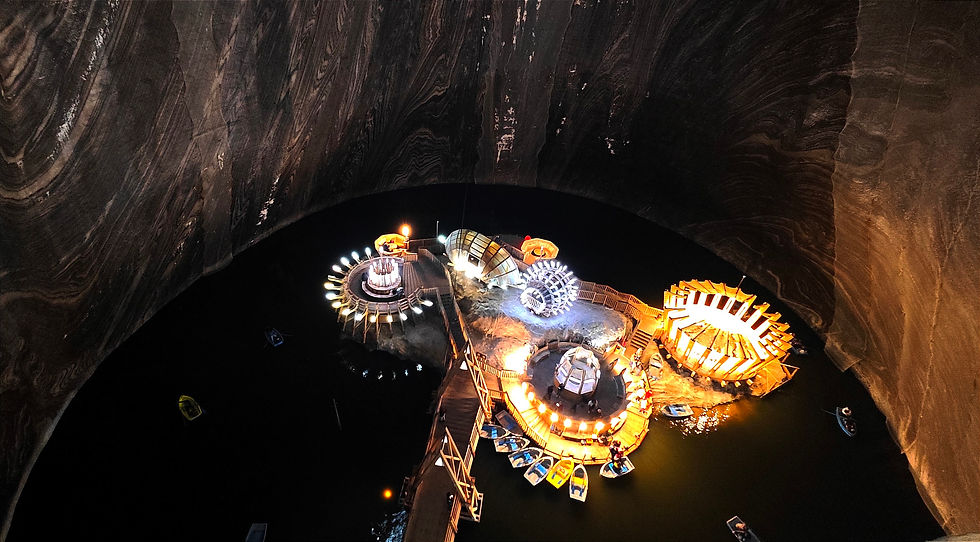
From the spectacular depths of Salina Turda to the dramatic limestone cliffs of Cheile Turzii, from the vineyards of Crama La Salina to the elegant hospitality, swimming pools and equestrian experiences of ISSA Resort, this remarkable destination offers far more than a sightseeing trip.

Here, history meets adventure, nature meets indulgence, and authentic Transylvanian charm blends with contemporary luxury. Whether you are exploring ancient landscapes, discovering local flavours, hiking through spectacular gorges or simply relaxing in beautiful surroundings, Turda invites you to slow down, look closer and experience the extraordinary.
Your Transylvanian adventure starts here!

Short Description: Discover a remarkable corner of Transylvania where an ancient salt mine has become an extraordinary underground attraction, a resort offers swimming and horse shows, local winemakers celebrate the region's flavours, and dramatic limestone cliffs invite you to explore on foot. Turda makes an excellent base for a memorable combination of culture, relaxation, food and outdoor adventure.
Official websites of main attractions:
Important: Check our 4BTravelGuide's detailed picture albums and comments below:
Salina Turda - Turda Salt Mine - a journey into the underground heart of Transylvania
ISSA Resort, Turda, Romania - Where Luxury Meets Horses & Wine
Tour Summary: This tour combines five distinctive experiences:
the historic town of Turda,
the spectacular Salina Turda salt mine,
the swimming and leisure facilities like horse show of Issa Resort,
wine tasting at Crama La Salina, and
hiking through Cheile Turzii, one of the most impressive natural landscapes in the area.
You can enjoy it as a relaxed family getaway, a romantic weekend or an active short break. Spend one day underground and around the resort, another discovering local wine and countryside, and a third walking among the towering cliffs of Cheile Turzii.
Location: Turda, Cluj County, Transylvania, north-western Romania.
How to get there: From Zurich and abroad
From Zurich: Fly to Cluj-Napoca International Airport, then rent a car or arrange a transfer to Turda. The drive is usually around 35–50 km, depending on the route and destination, and takes roughly 35–60 minutes.
From elsewhere in Europe: Cluj-Napoca is the most convenient airport for many international visitors. Check direct flights from your departure city or connect through a major European hub.
By car: Turda is accessible via Romania's motorway network, including the A3 corridor in the area. Driving is useful if you want to combine the salt mine, resort, winery and gorge.
By public transport: Buses and other connections serve the wider Turda–Cluj area, but local transfers may be necessary for the resort, winery and hiking trails.
Sample Travel Itinerary in Short Form:
Day 1 – Discover the underground world
Explore Salina Turda, admire the enormous chambers, discover the mine's history and enjoy its unusual underground attractions. Finish with dinner and a walk through Turda.
Day 2 – Swimming, horses and wine
Spend time at Issa Resort, enjoy the swimming facilities and check whether a horse show is scheduled. Continue with a visit to Crama La Salina for a taste of local wines and Transylvanian hospitality.
Day 3 – Hiking at Cheile Turzii
Head into the spectacular limestone gorge for a walk beside cliffs, woodland and the river. Enjoy the views, take photographs and stop for a relaxed countryside lunch.
Total Walking Distance at this location: Approximately 3–8 km per day, depending on the underground route, resort activities and chosen hiking trail. Allow extra distance for a longer walk through Cheile Turzii.
Interests: Nature, history, photography, geology, wine, swimming, horse shows, family travel, hiking, Romanian culture and gastronomy.
Tour Type: Cultural discovery, nature escape, family holiday, active weekend and culinary tourism.
Recommended Stay Duration: 2–3 nights.
Physical Effort: Easy to moderate overall. Salina Turda involves walking and stairs in some areas. Cheile Turzii can require moderate fitness, sure-footedness and suitable hiking footwear.
Adventure Type: Underground exploration, mountain hiking, resort relaxation and rural discovery.
Language Spoken: Romanian is the main local language. English is commonly understood in some tourism settings, particularly around Cluj-Napoca, but availability varies. German and other European languages may also be spoken by individual hosts.
Risks: Uneven and sometimes slippery paths underground; cold, humid conditions in the salt mine; exposed or rocky sections on gorge trails; rapidly changing mountain weather; and possible seasonal restrictions on hiking routes. Follow local safety instructions and check resort activities in advance.
Best Time to Visit: May to September for swimming, horse shows, wine-country excursions and hiking. Spring and autumn are especially attractive for cooler walks and photography. Salina Turda can be visited throughout the year, subject to opening times and maintenance.
Weather Considerations: Summer can be warm in the Turda area, while spring and autumn bring changeable conditions. The salt mine remains cool compared with the outside air, so bring a light jacket even on hot days. For hiking, carry water, wear proper footwear and check the forecast before departure.
History: From Roman Salt Trade to Modern Transylvania
Turda has a fascinating history that stretches back thousands of years. Long before it became a destination for travellers, this part of Transylvania was valued for its salt resources, strategic location and role in regional trade. During the Roman period, nearby Potaissa grew into an important military and administrative centre in the province of Roman Dacia. Salt was a precious commodity, essential for preserving food and everyday life, and its extraction helped shape the region's development. The surrounding hills also have a long tradition of viticulture, connecting Transylvania's rich heritage with its contemporary wine culture.

One of Turda's greatest treasures is Salina Turda, an extraordinary underground world shaped by centuries of salt mining. Over time, the extraction of salt created an extensive network of galleries and immense chambers hidden beneath the landscape. As industrial mining gradually came to an end, this remarkable site was transformed into a unique visitor attraction, preserving its historical character while introducing modern recreational experiences.

Descending into Salina Turda feels like entering another world. Towering chambers reveal the impressive scale of the former mining operations, while striking lighting and contemporary attractions create an almost surreal atmosphere. Among its highlights are an underground lake, where visitors can enjoy boat rides, and a Ferris wheel set deep beneath the earth. The combination of industrial heritage, fascinating geology and imaginative design makes Salina Turda one of the most distinctive attractions in Transylvania.
More recently, the area has welcomed another remarkable destination: ISSA Resort. Officially opened in August 2025, this five-star retreat brings a new dimension to the Turda experience. Set within an extensive estate near the salt mine, it combines elegant accommodation, fine dining, swimming and wellness facilities with vineyards and equestrian experiences. Here, visitors can move effortlessly from exploring the region's history to relaxing by the pool, discovering local wines or enjoying the elegance of horses in a beautiful countryside setting.
Together, Turda's ancient heritage, spectacular underground attractions and contemporary hospitality make this corner of Transylvania an inviting destination where history, nature, gastronomy and relaxation come together.
Why visiting Turda?
Turda is ideal for travellers who enjoy combining different experiences rather than spending an entire holiday in one place.
A genuinely unusual attraction: Salina Turda takes you into a world shaped by centuries of mining, with monumental underground spaces unlike a conventional museum.
A premium resort experience: ISSA Resort provides a comfortable base for swimming, wellness, sports, dining and equestrian activities.
Horses and countryside: ISSA Equines offers opportunities to discover the equestrian side of the estate, with horse-riding lessons, carriage rides and horse shows available depending on the programme.
Local wine culture: Crama La Salina is set among vineyards near the salt mine, making it easy to combine a wine experience with sightseeing.
A spectacular natural escape: Cheile Turzii offers a dramatic change of scenery, with limestone walls, walking trails and beautiful views.
A taste of Transylvania: The region combines Romanian traditions, historic settlements, hearty food, local wines and landscapes that reward travellers who venture beyond the best-known cities.
The special attraction of this area is its variety. You can explore a salt mine in the morning, swim in the afternoon, enjoy a vineyard dinner in the evening and hike through a limestone gorge the following day.
List of Important Local Tours
1. Salina Turda Underground Discovery
Allow 2–3 hours
Explore the main chambers, learn about the salt-mining heritage and discover the mine's unusual underground attractions.
2. ISSA Resort Swimming and Relaxation
Allow half a day
Enjoy the pools and resort facilities, with access dependent on your booking and the current operating schedule.
3. Equestrian Experience
Allow 2 hours or longer
Discover the estate's horses through a riding lesson, carriage ride or scheduled equestrian show.
4. La Salina Wine and Food Experience
Allow 1.5–3 hours
Discover local wines and the vineyard's history, with tasting and food pairings arranged in advance.
5. Cheile Turzii Nature Walk
Allow 1/2 - 1 day
Follow the gorge trail, photograph the limestone cliffs and enjoy one of the area's most impressive natural landscapes.
List of other Important Tours in the Area
Most of the bellow reccomedations do have an entry in our guides:
Cluj-Napoca – The Cultural Capital of Transylvania - Explore the historic centre, cafés, museums and architectural landmarks. Cluj is a good addition if you have an extra day before or after your stay in Turda.
Potaissa Roman Castrum - Discover the remains of the Roman military settlement and gain a deeper understanding of Turda's role in the history of Roman Dacia.
Rimetea – Traditional Village and Mountain Scenery - A beautiful countryside excursion featuring traditional architecture, mountain views and a slower pace of life. The more demanding Piatra Secuiului hike is best suited to fit walkers in suitable conditions.
Alba Iulia – History Within the Citadel - Walk through the impressive star-shaped fortress and discover layers of Roman, medieval and modern Romanian history.
Main Objectives and Extended Explanations
Salina Turda – Descend into an Extraordinary Underground World

Imagine stepping beneath the surface of Transylvania and entering a world so vast, so unexpected and so surreal that it feels as though you have crossed into another dimension. Welcome to Salina Turda — one of Romania’s most extraordinary attractions, where centuries of human endeavour have transformed the earth’s hidden treasures into a breathtaking underground experience.

Far more than an abandoned salt mine, Salina Turda is a living monument to the region’s industrial heritage, geological wonders and the generations of miners who worked deep beneath the ground. As you descend into its depths, the ordinary world gradually disappears. Narrow passages open into immense chambers, towering rock walls reveal the traces of ancient extraction, and dramatic lighting illuminates spaces of almost unbelievable proportions. The result is a striking encounter between nature, history and modern imagination.
For centuries, salt was one of the most valuable natural resources in everyday life — essential for preserving food and supporting communities. At Salina Turda, you can explore the legacy of this precious mineral and discover the extraordinary effort required to extract it. Every gallery and cavern tells part of a story shaped by geology, ingenuity and human perseverance.
Yet what makes this place truly unforgettable is the contrast between its historic purpose and its remarkable transformation. Enormous underground halls now accommodate contemporary visitor attractions, creating an almost dreamlike setting in which industrial history meets unexpected entertainment. The scale of the chambers, the textures of the salt-rich walls and the dramatic interplay of light and shadow make the mine as captivating for curious explorers as it is for photographers.
Salina Turda – A Journey Through Millions of Years of Geological History

Long before miners carved their way into the earth, long before Turda became a town shaped by the salt trade, an extraordinary geological story was unfolding beneath Transylvania. The story of Salina Turda begins millions of years ago, when much of this region lay beneath a shallow sea. As the climate changed and seawater evaporated, vast quantities of dissolved minerals were left behind, gradually forming enormous deposits of rock salt. Today, those ancient deposits lie hidden beneath the Transylvanian landscape, preserving a remarkable chapter in the geological history of Europe.
The Geological Origins – A Sea Transformed into Stone
The salt beneath Turda was created through the evaporation of ancient seawater. As water disappeared, dissolved salts crystallised and accumulated in thick layers of sediment. Over geological time, these deposits were buried beneath younger rocks and transformed into extensive underground salt formations.
The story did not end with burial. Salt behaves differently from most surrounding rocks: under pressure, it can slowly deform and migrate upwards through weaker layers. This process, known as salt tectonics, helped shape the salt massif beneath the Turda area. The resulting deposit is extraordinarily extensive, forming part of the salt-rich geological landscape of Transylvania.
The salt itself consists predominantly of halite — the mineral form of sodium chloride, familiar to us as ordinary table salt. Yet beneath the ground, this seemingly everyday substance forms a monumental natural resource, created by geological processes operating over millions of years.
Water has also played an important role in shaping the landscape. Rainwater and groundwater can dissolve salt, gradually altering the surrounding rock and contributing to the development of salt-related landforms. This interaction between ancient mineral deposits, underground water and erosion helps explain why the Durgău area around Salina Turda has such a distinctive natural character.
From a Natural Treasure to a Centre of Salt Mining
For centuries, salt was far more than a seasoning. It was essential for preserving food, supporting households and sustaining trade. In an age before modern refrigeration, access to reliable salt supplies could be a source of considerable economic and political power.
Turda grew in importance partly because of its valuable salt resources. The nearby Roman settlement of Potaissa became an important military and administrative centre in Roman Dacia, and salt was certainly a valuable resource throughout the wider region. Although Roman-era salt extraction at Turda is plausible, the precise beginnings of mining at this particular site remain uncertain.
The documentary history becomes clearer in the Middle Ages. A reference from 1075 connects Turda with the region's salt resources, while the first document explicitly granting the Turda salt mine dates to 1 May 1271. By this period, salt extraction was an established economic activity, and the mine had become an important source of supply for Transylvania.
Over the following centuries, generations of miners worked deep underground, cutting into the salt by hand and gradually creating the immense chambers that visitors explore today. Mining methods evolved, and different workings were opened as extraction progressed. The shapes of the chambers, the marks left by tools and the surviving transport galleries all provide clues to the practical ingenuity and physical effort that sustained this industry.
The Great Underground Chambers – Human Effort on a Monumental Scale
The most astonishing feature of Salina Turda is the sheer scale of the spaces left behind by mining. These are not simply natural caves discovered by chance. They are vast underground chambers created through the systematic removal of salt, revealing the remarkable interaction between geology and human engineering.
The Theresa Mine is among the oldest and most impressive workings. Its enormous bell-shaped chamber reaches approximately 90 metres in height and 75 metres in diameter. An underground lake occupies much of its floor, while salt formations and the surrounding walls create an atmosphere that feels almost otherworldly. The lake and its central island developed after salt extraction in this chamber ceased in the late nineteenth century.
The Rudolf Mine offers another breathtaking perspective on the mine's monumental proportions. Its trapezoidal chamber measures approximately 42 metres deep, 50 metres wide and 80 metres long. The walls preserve the geometry of industrial extraction, while delicate salt stalactites have formed over time in suitable conditions. What once served the demanding work of mining has become an extraordinary space in which visitors can appreciate the scale of the underground landscape.
Walking through these chambers is a powerful reminder that the mine is both a geological treasure and a record of human labour. The salt existed long before people arrived; the vast rooms we see today are the result of generations of miners transforming that natural deposit into a valuable resource.
The End of Mining – And the Beginning of a New Life
By the nineteenth century, Turda's salt industry faced growing competition from other mines and changing economic conditions. The importance of extraction at Turda gradually declined, and mining operations finally ceased in 1932.
The underground complex did not disappear from the life of the community. During the Second World War, parts of the mine served as an air-raid shelter. Later, sections of the transport gallery were used for cheese storage, taking advantage of the mine's distinctive underground environment.
In 1992, Salina Turda opened to visitors as a tourist attraction. A major modernisation programme beginning in 2008 transformed the site, and the renewed visitor complex welcomed the public in 2010. Historic mining spaces and surviving equipment were preserved while contemporary facilities introduced a new way to experience the underground world.
Today, Salina Turda brings together geological history, industrial archaeology and modern tourism in a setting unlike almost anywhere else. Visitors can descend into immense chambers, admire the extraordinary scale of the excavations and discover how a resource formed millions of years ago shaped the fortunes of a Transylvanian community.
Why Salina Turda Is So Special
Salina Turda is remarkable because it allows two immense stories to meet in one place: the slow, almost unimaginable timescale of geology and the comparatively brief but powerful story of human ingenuity.
The salt began forming in an ancient sea millions of years ago. Geological forces shaped the deposit, water influenced the surrounding landscape, and generations of miners transformed the underground resource into a network of extraordinary chambers. After mining ended, the complex found a completely different purpose, becoming one of Romania's most distinctive visitor attractions.
When you stand beneath its monumental ceilings, you are looking at far more than a former mine. You are witnessing a landscape created by nature, reshaped by people and given a new life for future generations.
Salina Turda is, in essence, a journey through deep time — from an ancient sea to a medieval source of wealth, from industrial labour to an astonishing underground world waiting to be explored.
What Makes Salina Turda Unforgettable?
A world beneath your feet: Explore immense underground chambers that reveal the extraordinary scale of centuries of salt mining.
History carved into the earth: Discover the ingenuity, labour and traditions behind one of Transylvania’s historic salt-mining centres.
An astonishing contrast: Experience the meeting of ancient geology, industrial heritage and imaginative modern attractions.
A photographer’s dream: Capture dramatic perspectives, monumental spaces and atmospheric scenes unlike those found in ordinary tourist destinations.
An experience for every generation: Whether you are fascinated by history, geology, architecture or simply the unexpected, Salina Turda offers something memorable at every turn.
Before You Go
Allow enough time to explore the mine without rushing. The underground environment can feel cool even when the weather outside is warm, so bring a light jacket and wear comfortable shoes suitable for walking on indoor paths and steps. Opening hours, admission arrangements and last-entry times can change, so check the official visitor information before setting off.
Official website: Salina Turda – Visitor Information and Tickets
Our recommendation: Make Salina Turda the centrepiece of your visit to the area. Then continue your discovery above ground — perhaps with a leisurely wine tasting at Crama La Salina, a countryside experience at ISSA Resort or a walk through the spectacular scenery of Cheile Turzii. Together, these experiences reveal a fascinating side of Transylvania, where the wonders beneath the earth are only the beginning of the adventure.
2. ISSA Resort – A Five-Star Retreat for Swimming, Relaxation and Refined Comfort
Just a short distance from Salina Turda, ISSA Resort offers an inviting combination of contemporary luxury, leisure and countryside charm. Set within the beautiful ISSA Estate, this five-star destination provides an elegant setting in which to slow down, enjoy exceptional surroundings and discover another side of Transylvania.


The resort brings together stylish accommodation, restaurants, a pool bar, indoor and outdoor swimming facilities, sports amenities and equestrian experiences. Among its highlights are the indoor infinity pool and outdoor swimming pool, offering guests the opportunity to unwind in the water while enjoying the resort's relaxed atmosphere. The combination of comfort, recreation and access to the wider estate makes ISSA Resort an appealing choice for couples, families and travellers looking to balance sightseeing with time to recharge.

Experiences to Enjoy at ISSA Resort
Swimming and relaxation: Enjoy the indoor infinity pool or outdoor swimming facilities, subject to seasonal opening times and access conditions.
Elegant accommodation: Make the resort your comfortable base for exploring Salina Turda, the surrounding countryside and the wider Transylvanian region.
Dining and leisure: Discover the resort's restaurants and pool bar, adding leisurely meals and refreshing breaks to your stay.
Wellness and sports: Make time for wellness facilities and sporting activities, depending on the services available during your visit.
Equestrian experiences: Explore the estate's distinctive horse-related activities, from riding lessons and carriage rides through the vineyards to guided rides and special performances when scheduled.
What makes ISSA Resort particularly attractive is the possibility of combining several experiences in one destination. You can spend the morning exploring the extraordinary underground chambers of Salina Turda, return for an afternoon by the pool and arrange an equestrian or vineyard experience to complete the day. It is a lovely way to discover the region without feeling that every moment needs to be filled with sightseeing.
A practical note before booking: The resort's published FAQ states that access to the outdoor pool and spa is reserved for in-house guests. Facilities, seasonal opening dates, included services and any additional charges may vary, so confirm the current arrangements directly with the resort when making your reservation.
Official website: https://www.issaresort.ro/
For travellers seeking a combination of five-star comfort, swimming, countryside experiences and easy access to one of Transylvania's most remarkable attractions, ISSA Resort offers a memorable setting for a relaxing and enriching stay.
3. Horses and Equestrian Shows – Discover a Different Side of Transylvania
🌐 Website: https://www.issaresort.ro/ The equestrian experiences at ISSA Estate offer a wonderful opportunity to discover a more traditional and elegant side of Transylvania. Surrounded by vineyards and beautiful countryside, the estate brings together the beauty of horses, the art of horsemanship and the charm of rural life.

Depending on the activities available during your stay, you may be able to watch an equestrian show, book a horse-riding lesson or enjoy a horse-drawn carriage ride through the vineyards. Experienced riders can also enquire about guided rides and suitable routes through the surrounding landscape.
Horse shows and special equestrian performances are generally organised according to a programme rather than taking place every day. It is therefore advisable to contact ISSA Resort in advance to confirm upcoming events, availability, booking arrangements and the possibility of organising a private performance.
This experience is particularly appealing to families, photography enthusiasts and anyone who appreciates horses and nature. Whether you choose to watch a performance, spend time with the horses or explore the vineyards by carriage, the equestrian activities add a distinctive and memorable touch to your visit to ISSA Estate.
4. Crama La Salina – Wine, Vineyards and the Flavours of Transylvania
🌐 Website: http://www.cramalasalina.ro
🍷 Manager & Winemaker: Ovidiu Maxim
The winery is managed by Ovidiu Maxim, an experienced winemaker whose passion and expertise shape the character of the wines. A visit combines wine tasting, vineyard views and the relaxed atmosphere of ISSA Resort - a perfect stop for wine lovers exploring the Turda area.
A visit to Crama La Salina adds a delightful culinary experience to your stay in Turda, combining local winemaking traditions, scenic vineyard landscapes and the warm hospitality of Transylvania.

Situated on the Durgău Hills, close to Salina Turda, the winery lies in an area with a long history of viticulture. Its modern vineyard project brought new life to land that had remained uncultivated for decades, reconnecting the region with its winemaking heritage. Today, the estate produces wines under the ISSA label, inspired by the historical identity of nearby Turda, known in Roman times as Potaissa.
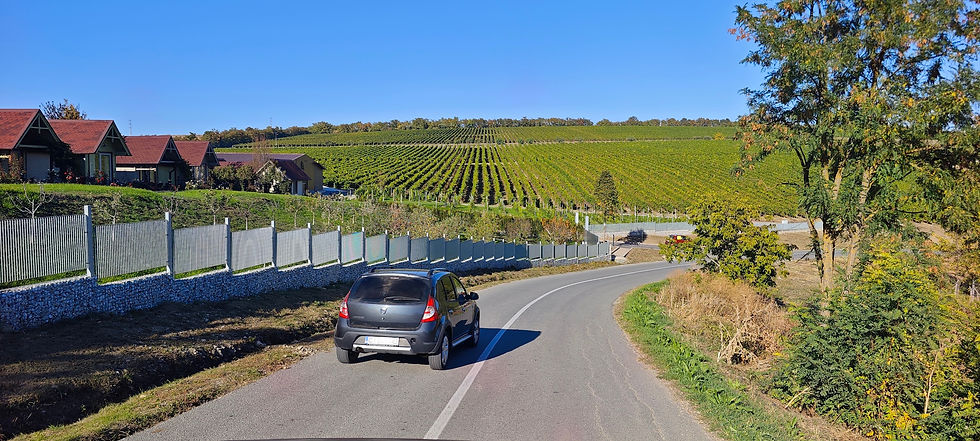
The wine selection includes varieties such as Sauvignon Blanc, Chardonnay, Rhein Riesling and Muscat Ottonel, offering an introduction to the distinctive character and diversity of wines from the Transylvanian Hills.
How to Make the Most of Your Visit
Discover the wines: Book a guided tasting to learn about the vineyard, grape varieties and winemaking philosophy.
Savour local flavours: Ask about pairing the wines with regional cheeses and traditional Transylvanian dishes.
Explore the cellar: Discover the winemaking process and how oak-barrel ageing can influence the aroma, texture and complexity of selected wines.
Enjoy a leisurely meal: Visit Sarea-n Bucate, the restaurant associated with the winery, for a taste of local cuisine in a welcoming setting.
Experience the countryside: If available, consider a vineyard picnic or a horse-drawn carriage ride to enjoy the surrounding landscape at a slower pace.
Whether you are a wine enthusiast or simply looking for a relaxing afternoon, Crama La Salina offers an appealing way to discover another side of Turda. The combination of vineyard scenery, local gastronomy and regional wines makes it a natural addition to a visit to Salina Turda or a stay at ISSA Resort.
Practical tip: Wine tastings and private experiences should be arranged in advance. Contact the winery to confirm availability, booking requirements and the experiences offered during your visit.
Official website: Crama La Salina – Winery and wine experiences
5. Cheile Turzii – Hiking Among Dramatic Limestone Cliffs
For travellers who enjoy walking, Cheile Turzii is the perfect outdoor complement to the salt mine and resort.
This spectacular limestone gorge cuts through the landscape with steep rock walls, wooded slopes and a river running along the valley floor. The scenery feels wild and remote, even though it is accessible as a day trip from Turda.
The gorge is a wonderful place for photography, nature observation and a proper walk in the fresh air. In spring, the landscape becomes greener, the surrounding hills awaken and the contrast between the pale limestone and new vegetation can be particularly beautiful.
A good hiking plan:
Start early to enjoy the quieter trails.
Follow the established path through the gorge and take time to appreciate the cliffs.
Wear sturdy shoes with good grip, especially after rain.
Carry drinking water and a light waterproof layer.
Check local trail conditions and any temporary restrictions before setting off.
Choose a straightforward walk if your goal is scenery and relaxation. More demanding routes on the surrounding heights may require additional fitness and care.
Cheile Turzii is best enjoyed without rushing. Bring your camera, take regular breaks and leave time to appreciate the details: the rock formations, the sound of the water and the changing light on the cliffs.
Extra Tips for Your Visit
Book the resort early: If you want a particular room, pool experience or horse show, arrange it ahead of time.
Plan the salt mine for the morning: This gives you more flexibility for lunch, wine tasting or an afternoon swim.
Pack for two climates: Bring light clothing for the warm outdoors and an extra layer for the cool underground mine.
Reserve wine experiences: Tastings, vineyard picnics and private events are best arranged in advance.
Check pool access: Confirm whether the facilities you want to use are included in your accommodation and whether seasonal opening schedules apply.
Treat horse shows as special events: Ask for dates and times before building your itinerary around a performance.
Keep Cheile Turzii weather-dependent: Rain and slippery ground can change the difficulty of a walk.
Try the local cuisine: Look for traditional Transylvanian dishes and regional ingredients to accompany the wines.
Allow time for photographs: The mine, vineyard hills and limestone gorge each have very different atmospheres and deserve more than a quick stop.
Closing Statement
Turda is one of those destinations that surprises you with its variety. Beneath the ground lies an extraordinary world shaped by centuries of salt mining; above it, vineyards and a five-star resort offer swimming, equestrian experiences and excellent opportunities to unwind. A short drive away, Cheile Turzii provides the perfect reminder of Transylvania's rugged natural beauty.
Whether you are travelling as a couple, with family or with friends, this corner of Romania offers an appealing balance of adventure and comfort. Spend a morning exploring underground chambers, enjoy an afternoon beside the pool, taste a glass of ISSA wine and finish your trip with a walk among the limestone cliffs.
Turda is not just a place to visit — it is a place to experience Transylvania through its history, landscapes, flavours and warm hospitality.


Comments