

Discover Malaysia: Heritage, Jungle & City Lights

Updated: Dec 11, 2025
Tour Name: Discover Malaysia: Heritage, Jungle & City Lights
About Malaysia

Malaysia is a vibrant Southeast Asian nation known for its harmonious blend of cultures, ancient rainforests, colonial history, modern architecture, and warm hospitality. The country is divided into Peninsular Malaysia and Malaysian Borneo, each offering unique landscapes and traditions. Visitors experience a fascinating mix of Malay, Chinese, Indian, and indigenous influences, reflected in the architecture, cuisine, festivals, and way of life
Malaysia is one of Southeast Asia’s most captivating destinations — a place where ancient rainforests meet futuristic skylines, and vibrant cultural traditions blend seamlessly with modern living.
Whether you’re drawn by lush jungle trails, paradise islands, or delicious street food, Malaysia promises a journey full of contrasts and unforgettable moments.
Short History of Malaysia

Malaysia’s history is shaped by ancient kingdoms, maritime trade, colonial influence, and the rise of a modern nation.
Early kingdoms such as Langkasuka, Srivijaya, and the Malacca Sultanate (15th century) established Malay culture and Islamic influence.
From the 16th century onward, parts of Malaysia were controlled by Portugal, the Netherlands, and later Britain, which unified various territories under colonial rule.
After World War II, growing nationalism and political reforms paved the way to independence.
On 31 August 1957, the Federation of Malaya gained independence from Britain.
In 1963, Malaya joined Sabah, Sarawak, and Singapore to form Malaysia. Singapore later separated in 1965.
Since then, Malaysia has developed into a modern, multi-ebauthnic nation with a strong economy and a vibrant cultural identity.
Important: Check our 4BTravelGuide's detailed picture albums and comments below:

Kuala Lumpur: A City of Culture and Skylines
Batu Caves: Gateway to Malaysia’s Hindu Heritage:
Melaka: Where History Meets the River
Taman Negara National Park: Journey Into Ancient Rainforest
Melawati Hills and Kuala Selangor: Monkeys, Fireflies, Rivers & Sunset Views
Meaning and Origin of the Name “Malaysia”
The name Malaysia combines:
“Malay” – referring to the ethnic Malay people, language, and cultural group dominant in the region
“-sia” or “-asia” – a suffix indicating its location in Asia
Together, Malaysia essentially means “The Land of the Malays in Asia.”
The term was adopted during the formation of the modern federation in 1963 to reflect both the Malay cultural heritage and the geographic unity of the territories involved.
The Malay Language

Malay (Bahasa Melayu) is one of Southeast Asia’s oldest and most influential languages. It belongs to the Austronesian language family, which stretches from Madagascar to the Pacific Islands. Malay is spoken in Malaysia, Indonesia, Brunei, Singapore, southern Thailand, and parts of the Philippines, making it one of the region’s major lingua francas.
Malay is over 1,000 years old in written form.The oldest known Malay inscriptions date back to the 7th century, during the Srivijaya Empire.Over time, the language evolved into several forms:
Old Malay (7th–13th century)
Classical Malay (14th–19th century, especially during Malacca Sultanate)
Modern Malay (20th century to today)
Malay originated in the Malay Peninsula and the coastal regions of Sumatra, where it developed as the language of early Malay kingdoms and seafaring traders. Its role grew as it became the communication bridge of the Malacca Sultanate in the 15th century—a major center of trade and Islamic scholarship.
Malay today is written using the Latin alphabet, known as Rumi script.
However, historically it was written using:
Jawi script – an Arabic-based writing system introduced with the arrival of Islam in the 14th century
Pallava and Kawi scripts – used in older inscriptions before Jawi
Modern Malaysia mainly uses the Latin/Rumi alphabet, while Jawi is still used in religious texts, traditional culture, and in some regions such as Kelantan and Terengganu.
Tourist Language Facts
In Malaysia’s major cities—like Kuala Lumpur, Penang, and Johor Bahru—you’ll hear a mix of Malay, English, Mandarin, and Tamil, with English widely spoken, making communication easy for foreigners.
In rural villages, daily life is mostly in Malay and local regional dialects. English is less common, but many younger people understand basic phrases.
For smooth communication, travelers can rely on simple English and a few Malay words like terima kasih (thank you) or berapa? (how much).
Using even a little Malay is always appreciated and helps create friendlier interactions.
A Country of Cultural Harmony
One of the most remarkable things about Malaysia is its cultural diversity.
Here, Malay, Chinese, Indian, and indigenous communities live side by side, creating a rich mosaic of languages, festivals, and flavors. You can wake up to the call to prayer echoing from a mosque, enjoy lunch in a bustling Chinese food court, and end your evening with a fragrant Indian banana leaf meal.
This harmonious mix is reflected in the country’s holidays, architecture, and daily life, making every corner of Malaysia feel like a cultural discovery.
Why Malaysia Belongs on Your Travel List
It’s safe, welcoming, and easy to travel
English is widely spoken
Prices are reasonable compared to other Asian destinations
You get rainforest + ocean + cities + culture all in one trip
The people are genuinely warm and helpful
Malaysia isn’t just a place you visit — it’s a place you feel.
Personal Safety in Malaysia – What Travelers Should Know
Malaysia is generally a safe and welcoming country for visitors, with low crime rates and a strong tourism infrastructure. Most travelers feel comfortable exploring cities, beaches, and nature areas, even on their own. Normal precautions—like keeping valuables secure and being aware of your surroundings—are usually enough to ensure a smooth trip.
From a medical perspective, Malaysia has good healthcare facilities, especially in major cities like Kuala Lumpur and Penang. Pharmacies are widely available, and emergency services are reliable. No special vaccinations are mandatory for entry, but travelers are often advised to be up to date on routine vaccines such as tetanus, hepatitis A, and hepatitis B. In jungle areas like Taman Negara, it’s sensible to use insect repellent and take standard precautions against mosquito bites.
Overall, Malaysia offers a safe, clean, and comfortable environment for travelers, with accessible medical care and a generally low risk of health concerns—making it an excellent destination for both first-time and experienced explorers.
Driving in Malaysia
Driving in Malaysia is generally smooth and convenient, especially on the Peninsular Malaysia side, where highways are modern, well-maintained, and clearly signposted. The country drives on the left side of the road, similar to the UK, Australia, and Singapore.
Highways and major roads: Malaysia has an excellent network of expressways, particularly the North–South Expressway, which connects major cities like Kuala Lumpur, Penang, Johor Bahru, and Malacca. Road conditions are usually good, and rest stops, petrol stations, and food stalls are easy to find along the way.
City driving: Traffic in Kuala Lumpur can be busy, with peak-hour congestion and complex road systems. Parking is available but sometimes limited in popular areas. Outside the big cities, driving becomes easier and more relaxed.
Rural and mountain roads: In areas like Cameron Highlands or Taman Negara, expect narrower, winding roads with occasional slow vehicles. Drive carefully and be prepared for sharp turns or fog in the highlands.
Car rentals: Available at airports and major cities, usually requiring:
A valid driver’s license
An International Driving Permit (recommended for foreigners)
Minimum age of 23–25 depending on company policy
Safety & convenience:
Road signs are in English and Malay.
GPS and Google Maps work very well.
Toll roads use a smart payment card (Touch ’n Go), available at petrol stations.
Speed limits must be respected—speed cameras are common.
Riding a scooter in Malaysia is possible, but it is not as popular or practical for foreign travelers.
Overall, driving in Malaysia is a great way to explore the country at your own pace, giving you easy access to cities, beaches, mountains, and rainforests in a single trip.
Recommended Malaysia Tour
Kuala Lumpur (City)
Taman Negara (Jungle)
Malacca (City)
Penang (City)
This route in interesting because:
Combines city life, heritage towns, food culture, and rainforest nature
Covers Malaysia’s strongest highlights in a short visit
Easy connections between destinations (bus, train, flights, or car)
Suitable for travelers who want variety without rushing too much
Kuala Lumpur – Modern Capital & Cultural Mix

Hotspots & Things to See:
Petronas Twin Towers – Malaysia’s most iconic landmark
KLCC Park – great for walking, city views, fountains
Batu Caves – limestone temple complex with a giant golden Murugan statue
Merdeka Square – colonial architecture and historic city center
Central Market & Petaling Street – street food, souvenirs, local crafts
KL Tower – panoramic views over the city
Activities:
Taste Malaysia’s mix of Malay, Chinese, and Indian food
Explore museums and galleries
Enjoy rooftop bars with skyline views
Important: Check our 4BTravelGuide's detailed picture albums and comments below:
Kuala Lumpur: A City of Culture and Skylines
Batu Caves: Gateway to Malaysia’s Hindu Heritage:
Melaka: Where History Meets the River
Taman Negara National Park: Journey Into Ancient Rainforest
Taman Negara National Park – Ancient Rainforest Adventure

Hotspots & Things to See:
Canopy Walkway – suspended bridges above the treetops - currently closed Nov 2025
Jungle Trekking – routes to Bukit Teresek and deep forest trails
Tembeling River – scenic boat trips
Orang Asli Villages – visit Indigenous communities
Activities:
Night jungle walk to see nocturnal wildlife
Rapid shooting boat adventure
Explore some of the oldest rainforest ecosystems in the world
Spot birds, insects, monkeys, and unique rainforest plants
Malacca (Melaka) – UNESCO Heritage City

Hotspots & Things to See:
Dutch Square (Red Square) – Christ Church and Stadthuys
Jonker Street – antique shops, boutiques, and night market
A Famosa Fort – remains of the Portuguese colonial era
St. Paul’s Hill – beautiful views over the city
Malacca River Walk – colorful murals and riverside cafés
Activities:
Try Nyonya cuisine (Peranakan dishes)
Take a scenic river cruise
Visit museums showcasing mixed Malay, Chinese, Portuguese, and Dutch heritage
Penang – Food Capital & Culture Hub
Hotspots & Things to See:
George Town UNESCO Zone – temples, clan houses, colonial buildings
Street Art Trail – world-famous murals and sculptures
Kek Lok Si Temple – Malaysia’s largest Buddhist temple
Penang Hill – hilltop views and cool breezes
Clan Jetties – historic wooden houses over the water
Activities:
Enjoy Penang’s legendary street food (char kway teow, nasi kandar, laksa)
Explore night markets and local cafés
Wander heritage lanes with vibrant street art
Visit museums and boutique galleries
Optional Extensions: Cameron Highlands • Langkawi • Borneo
If you have more time in Malaysia, these three destinations offer completely different landscapes and experiences, making your journey even richer and more varied.
Cameron Highlands adds mountain scenery and cool climate, perfect after cities.
Langkawi adds beaches and island relaxation, ideal for ending the trip.
Borneo adds wildlife and deep nature, giving a rare adventure few countries can offer.
Together, these three destinations expand your Malaysian experience from cities and heritage towns into mountains, islands, and tropical jungles—making the journey far more complete and diverse.
Cameron Highlands – Tea Plantations & Cool Mountain Air
Cameron Highlands is the perfect escape from Malaysia’s heat. Located in the mountains, it’s famous for scenic tea plantations, rolling hills, strawberry farms, and the mystical Mossy Forest. It’s a relaxing contrast to Kuala Lumpur, Malacca, and Penang—ideal for nature walks, photography, and cooler temperatures.
What to See & Do:
BOH Tea Plantation & viewpoint
Mossy Forest guided walk
Strawberry and flower farms
Langkawi – Beaches, Islands & Relaxation
Langkawi is Malaysia’s top tropical island getaway—perfect if you want a beach holiday after exploring cities and rainforests. Known for calm waters, beautiful beaches, luxury resorts, and duty-free shopping, it’s a relaxing finale to a diverse Malaysia trip.
What to See & Do:
Langkawi Sky Bridge
Island-hopping tour
Cenang Beach
Mangrove tour at Kilim Geoforest Park
Snorkeling & sunset cruises
Borneo (Sabah or Sarawak) – Wildlife, Rainforest & Indigenous Culture
Borneo offers wild nature you won’t find anywhere else in Southeast Asia. It’s the place to see orangutans, pygmy elephants, and ancient rainforests while experiencing Indigenous cultures that are unique to this island. For adventure lovers, Borneo adds a powerful, unforgettable dimension to a Malaysia trip.
What to See & Do:
Orangutan rehabilitation centers (Sepilok)
Kinabatangan River wildlife cruise
Mount Kinabalu (the tallest mountain in Malaysia)
Mulu Caves (UNESCO World Heritage Site)
Indigenous cultural villages
Kuala Lumpur – Modern Capital & Cultural Mix
Kuala Lumpur (KL) is the vibrant capital of Malaysia, a city where centuries of history blend seamlessly with futuristic architecture and bustling urban life. What began in the mid-1800s as a small riverside settlement founded by Chinese tin miners grew rapidly into a key colonial outpost under British rule. The city’s early streets, railways, and government buildings still reflect this heritage, standing proudly alongside soaring skyscrapers that symbolize Malaysia’s modern ambitions.


History of Kuala Lumpur
Kuala Lumpur began in the 1850s as a small settlement of Chinese tin miners who came to the muddy junction (kuala lumpur literally means “muddy estuary”) of the Gombak and Klang Rivers.
From this humble start, the town grew rapidly as tin mining expanded.
By the late 19th century, Kuala Lumpur became the administrative capital of the British colonial government, which shaped much of its architecture—Victorian, Moorish, and Indo-Saracenic buildings still stand today.
Malaysia gained independence in 1957 from the United Kingdom (British colonial rule).
On 31 August 1957, the Federation of Malaya officially became an independent nation after decades of British administration. This historic moment is celebrated every year as Hari Merdeka (Independence Day).
After Malaysia gained independence in 1957, KL transformed into a modern metropolis.
Today, it is a thriving center of finance, culture, and innovation, while still preserving its rich multicultural roots.
Why Visit Kuala Lumpur
Kuala Lumpur is worth visiting because it offers:
A unique mix of Malay, Chinese, Indian, and Indigenous cultures
Striking contrasts between modern skyscrapers and historic temples
World-class street food and local flavors
Excellent shopping, from luxury malls to bustling markets
Friendly locals and easy communication—English is widely spoken
Efficient transportation that makes sightseeing simple
For foreign visitors, KL feels welcoming, safe, and easy to explore, with plenty of culture, comfort, and surprises around every corner.
Main Attractions in Kuala Lumpur
1. Petronas Twin Towers

Once the tallest buildings in the world, the Petronas Towers remain KL’s most iconic landmark. Visitors can enjoy the Skybridge, the observation deck, or simply admire the towers from KLCC Park.

Why visit:
A symbol of modern Malaysia and stunning photo opportunities day and night.
2. Batu Caves

Batu Caves is one of Malaysia’s most famous landmarks, a spectacular combination of natural beauty and spiritual heritage. Set within massive limestone cliffs over 400 million years old, the site features a grand Hindu temple dedicated to Lord Murugan, reached by climbing the vibrant 272 colorful steps. At the base, the towering golden statue of Murugan welcomes millions of visitors each year.

Inside the main cave, sunlight filters through natural openings, illuminating shrines and creating a dramatic, sacred atmosphere. Batu Caves is not only a place of worship but also the center of the Thaipusam festival, which attracts huge crowds in one of the world’s largest Hindu celebrations. Easily accessible from Kuala Lumpur, it’s a must-see destination blending culture, nature, and unforgettable views.

A giant limestone hill home to colorful Hindu temples and a 42-meter golden statue of Lord Murugan. The 272 rainbow-coloured steps lead to a dramatic cathedral-like cave.
Originally built in the late 1800s to give worshippers access to the shrine of Lord Murugan, these steps have long served as a pathway of faith, especially during the Thaipusam festival. Today, their vibrant colors highlight the cultural richness of the site, while the ascent itself offers both a physical challenge and a spiritual preparation before entering the historic cave temple.

Why visit:
A cultural and religious masterpiece, and one of Malaysia’s most photographed sites.

Important: Check our 4BTravelGuide's detailed picture albums and comments below:
Kuala Lumpur: A City of Culture and Skylines
Batu Caves: Gateway to Malaysia’s Hindu Heritage:
3. Merdeka Square (Dataran Merdeka)
The symbolic birthplace of the nation where Malaysia declared independence in 1957. Surrounded by colonial-era buildings like the Sultan Abdul Samad Building.
Why visit:
Perfect for understanding Malaysia’s historical roots.
4. Central Market & Petaling Street (Chinatown)
Bustling markets filled with street food, local crafts, souvenirs, and lively atmosphere.
Why visit:
Top places to taste KL’s multicultural cuisine and feel the city’s street energy.
5. KL Tower (Menara Kuala Lumpur)

A high observation tower offering panoramic 360° views of the entire city.


Why visit:
Great for sunset photography and skyline lovers. Great food served in Orbit revolving restaurant.
4BTvavelGuide Hint: book combo ticket lift and dining and go at suset.
6. Thean Hou Temple
A grand Chinese temple dedicated to the Goddess of the Sea, with ornate architecture and scenic city views.
Why visit:
Shows the strong cultural influence of the Chinese community in KL.
7. National Mosque (Masjid Negara)


A modern mosque with stunning geometric design and beautiful gardens.
Why visit:
One of the most architecturally striking Islamic sites in Southeast Asia.
8. Bukit Bintang
KL’s entertainment and shopping hub, home to malls, cafés, street performers, and vibrant nightlife.
What Kuala Lumpur Is Like for Foreign Visitors
Foreign visitors often find Kuala Lumpur:
Easy to Navigate: Good metro lines (MRT, LRT), taxis, and ride-hailing apps like Grab.
English-Friendly: Most Malaysians in KL speak English, making communication smooth.
Safe and Comfortable: Low crime compared to many big cities; welcoming locals.
A Food Paradise: Malay satay, Chinese dim sum, Indian roti, Nyonya laksa—KL blends flavors from all communities.
A City of Contrasts: Temples next to skyscrapers, traditional markets beside luxury malls. It’s a city where old and new coexist beautifully.
Closing Thoughts on Kuala Lumpur
Kuala Lumpur is more than just a capital city—it’s a vibrant cultural crossroads where tradition meets innovation. With its rich history, diverse attractions, and friendly atmosphere, KL offers a rewarding experience for every traveler.
Whether you’re here for food, culture, architecture, or simply to explore, Kuala Lumpur welcomes you with open arms and unforgettable stories.
Taman Negara National Park
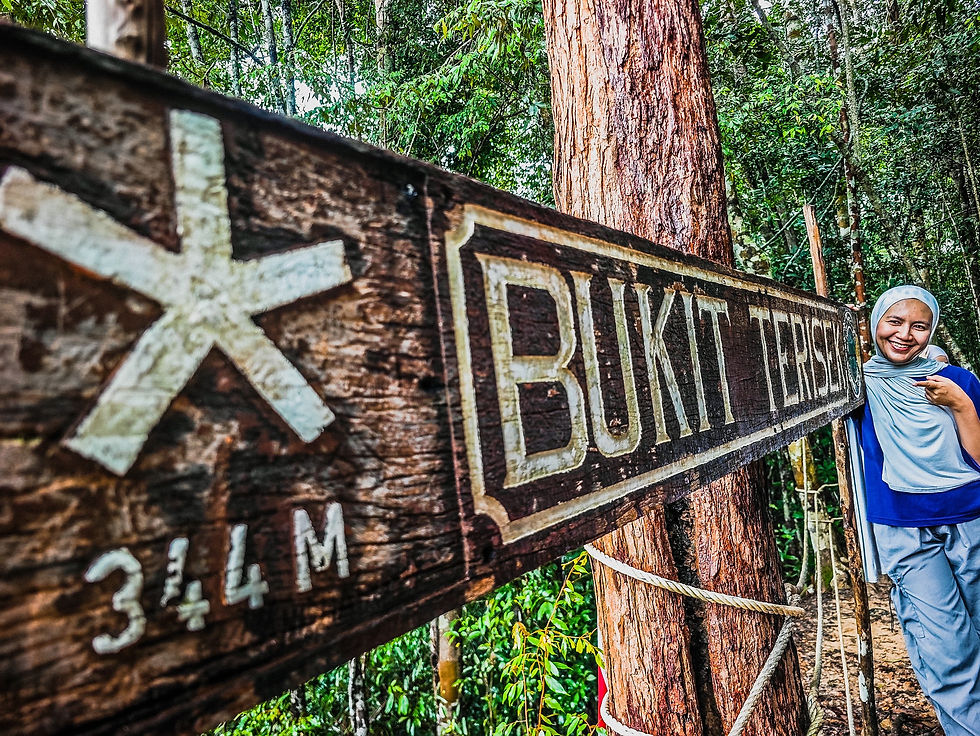
Taman Negara is Malaysia’s largest and most famous national park, covering over 4,300 km² across Pahang, Kelantan, and Terengganu. It is believed to be one of the oldest rainforests in the world—over 130 million years old, untouched by glaciers or climate shifts. The park protects dense jungle, ancient trees, rivers, caves, and an incredible diversity of plants and wildlife. This extraordinary age means the forest has remained largely unchanged since the time of the dinosaurs, surviving major climate shifts, geological transformations, and ice ages. Its ancient ecosystem makes it a priceless natural heritage site and a living window into prehistoric biodiversity.

For visitors, Taman Negara offers a rare opportunity to experience a true primary rainforest
ecosystem—a place that looks and feels as though time has barely touched it.
History of Taman Negara
Some important historical facts:
Protected as a natural reserve since 1925
Declared a national park in 1938–1939, originally named King George V National Park
Renamed Taman Negara (“National Park” in Malay language) after Malaysian independence
Recognized as one of Malaysia’s most important conservation areas
Managed to protect its ancient rainforest and endangered species
Since then, it has become a leading site for conservation, ecotourism, and scientific research.
The park protects endangered species including:
Malayan tigers
Asian elephants
Tapirs
Gibbons and macaques
Hornbills and rainforest birds
Although large animals are rarely seen, their presence underscores the importance of protecting such a vast ecosystem.
Important: Check our 4BTravelGuide's detailed picture albums and comments below:
Taman Negara National Park: Journey Into Ancient Rainforest
Why Taman Negara Is Important for Visitors
Taman Negara is significant not only ecologically but also culturally and educationally.
Visitors come to the park to:
Experience one of the world’s oldest rainforests: A unique chance to walk among ancient trees and landscapes untouched by modern development.
Explore Malaysia’s natural heritage: Taman Negara is the best place to understand the country’s biodiversity and tropical ecology.
Enjoy adventure activities: River trips, jungle treks, canopy walkways, wildlife watching, and visits to indigenous communities.
Disconnect and reconnect with nature: With limited mobile reception and deep jungle surroundings, the park offers a rare digital detox.
Why You Should Visit Taman Negara for minimim of two nights?
A two-night stay in Taman Negara is the perfect way to experience the magic of one of the world’s oldest rainforests. With over 130 million years of natural history, the park offers an unforgettable blend of adventure, wildlife, and deep jungle atmosphere — enough to fill your days and still leave you wanting more.
Consider this Key Element: Disconnect & Reconnect with Nature
Taman Negara offers something rare today:
silence
pure air
zero light pollution
peaceful rhythm of the rainforest.
At night, you fall asleep to the sounds of cicadas and flowing water — a perfect reset for the mind.
Cicadas in Taman Negara are large, tree-dwelling insects known for their incredibly loud buzzing calls, which echo through the rainforest—especially at dusk and at night. Their sound is a distinctive part of the jungle atmosphere, created by vibrating membranes on their bodies. Although they can be heard easily, cicadas are harmless and often difficult to spot because they blend into the trees.
Best Time to Visit Taman Negara
The best time to visit Taman Negara is during the dry season, which runs from March to October. During these months, the weather is more stable, the trails are less slippery, and river activities like rapid shooting and boat cruises are safer and more enjoyable. Wildlife observation is also easier because animals are more active when it’s not raining heavily.
Dry Season is ideal because
Better trekking conditions (less mud, clearer paths)
Higher chance of sunny days
Canopy walkway stays open more consistently
Rivers are calmer for boat activities
Lower risk of leeches and slippery terrain

Rainy Season (November to February) you can still visit, but expect:
Frequent rain showers
Possible trail closures
Stronger river currents
More leeches and insects
Humid, misty conditions
4BTravelGuide.com Note: We were in November 2025 and we were quite lucky with the weather, we had heavy rain mainly at dusk or night, but no shower stopped us from making the planned visits .
Despite this, the rainforest looks lush and dramatic during the wet months—ideal for photographers and nature enthusiasts who don’t mind the rain.
Size & Location
Taman Negara spans an impressive 4,343 km² (over 434,000 hectares), making it one of the largest and most significant national parks in Malaysia.
The park stretches across three Malaysian states, divided as follows:
Pahang – approximately 2,477 km² (about 57% of the park)
Kelantan – approximately 1,043 km² (about 24%)
Terengganu – approximately 853 km² (about 19%)
The terrain within Taman Negara varies dramatically, with elevations starting from around 80 meters above sea level in the lowland river areas, rising all the way to 2,187 meters at Gunung Tahan, the highest peak in Peninsular Malaysia.
Geology & Landscape
The park features a diverse geological foundation made up of ancient sedimentary rocks, including sandstone, shale, and limestone, along with granite formations in the eastern regions.

Over millions of years, erosion and uplift have shaped Taman Negara into a landscape filled with:
Mountain ranges and high ridges
Deep river valleys
Dense lowland forests
Limestone hills and karst formations
Extensive cave systems
This natural variety supports a wide range of habitats and species.
Ecosystems & Vegetation

Taman Negara hosts multiple layers of tropical rainforest ecosystems, including:
Lowland dipterocarp forest with towering hardwood trees
Hill dipterocarp forest rich in fruiting trees and wildlife
Montane forest at higher altitudes with cooler temperatures and mossy growth
Riparian forest along rivers and streams
Limestone forest with specialized plants and cave ecosystems
Vegetation is lush and diverse, ranging from giant buttress-rooted trees to delicate orchids, lianas, palms, and bioluminescent mosses.
Wildlife
Taman Negara is one of Malaysia’s richest wildlife areas, home to an exceptional array of species:
Large Mammals:
Malayan tiger
Asian elephant
Malayan tapir
Seladang (wild gaur)
Sambar deer and mouse deer
Leopard and clouded leopard (rare)
Insects & Arthropods:
Taman Negara’s ancient rainforest is alive with an extraordinary world of insects and arthropods, many of which are found nowhere else on Earth. From glowing fungi and buzzing cicadas to stick insects, giant millipedes, colorful beetles, spiders, ants, and delicate butterflies, this hidden world forms the backbone of the jungle’s ecosystem. Most are shy, beautifully camouflaged, or active at night, making each sighting feel like a small discovery.
During guided walks—especially at night—visitors can witness the rainforest’s lively nocturnal shift, when insects begin to sing, glow, and move across the forest floor and trees.
These tiny creatures may be small, but they play a big role in pollination, decomposition, and maintaining the balance of this 130-million-year-old forest. For nature lovers, Taman Negara’s insects and arthropods offer a fascinating glimpse into the rainforest’s most intricate, colorful, and often overlooked inhabitants.


Butterflies, beetles, mantises
Bioluminescent fungi and glowing moss
Scorpions that fluoresce under UV light
Numerous nocturnal insects visible during night walks
Rivers & Waterways
Multiple major rivers originate in Taman Negara, including the Tembeling, Lebir, and Terengganu rivers.
Indigenous People
Taman Negara is home to the Orang Asli communities, especially the Batek people.
They maintain traditional lifestyles based on foraging, hunting, and deep knowledge of the forest. Visitors can experience cultural encounters and learn about their unique relationship with the rainforest.
These waterways provide routes for wildlife, support freshwater fish species, and serve as the main transportation paths for visitors traveling to remote areas of the park.
Safety Tips for Taman Negara
Taman Negara is safe to visit, but it is a real wilderness.
Here’s what to keep in mind:
1. Always go with a guide for deeper treks: The jungle is vast, and trails are not always clearly marked.
2. Wear proper hiking shoes: Paths can be slippery, muddy, and uneven.
3. Protect yourself from insects: Use mosquito repellent and wear long sleeves, especially at night.
4. Stay hydrated and bring snacks: Tropical heat and humidity can be intense.
5. Respect wildlife: Never feed animals or approach them too closely.
6. Avoid swimming in rivers unless permitted: Currents can be strong, and weather changes quickly.
7. Expect basic conditions: Electricity, internet, and amenities are limited—part of the adventure.
Main Activities in Taman Negara National Park
Night Jungle Walk


The adventure Taman Negara National Park Night Jungle Trail begins at Xscape Resort, where a short drive brings you to a small nearby village bordering the lush green wall of Taman Negara. As dusk settles, you descend toward the river, following a narrow path down to Jetty’s River Crossing, the gentle rumble of the water growing louder with each step. A small boat ferries you across the river toward Mutiara Taman Negara, the only resort located inside the national park itself.
On the opposite bank, you climb a set of wooden stairs leading up to the resort, the air thick with the scent of the rainforest at night—damp earth, leaves, and the distant hum of unseen wildlife. From here, the night trail begins.

Guided walks reveal nocturnal life such as insects, frogs, slow lorises, and glowing fungi.
Experience the rainforest come alive after dark, filled with buzzing insects, calling frogs, and mysterious jungle sounds.
Discover bioluminescent fungi glowing softly on the forest floor, creating a magical, otherworldly atmosphere.
The night walks in Taman Negara are guided tours led by trained rangers who use special infrared lights to help you spot insects, small animals, and other nocturnal creatures without disturbing them. As you walk, the guides explain the behavior, sounds, and ecology of everything you see, making the experience both educational and exciting.
Most of the route takes place on a well-maintained wooden boardwalk built inside the forest, with some stairs to climb along the way. The path is safe, stable, and easy to follow in the dark. The effort level is minimal, making this night walk suitable for almost all visitors.
Jungle Trekking (Bukit Teresek)


A popular hike with viewpoints overlooking the rainforest canopy and distant mountains.
Jungle trekking to Bukit Teresek is one of the most rewarding activities in Taman Negara, offering visitors a chance to experience the rainforest up close while enjoying some of the park’s best viewpoints. The trail begins near the park headquarters and winds through lush jungle filled with towering hardwood trees, thick vines, and vibrant tropical plants. Along the way, you may spot birds, butterflies, monkeys, and a wide variety of rainforest insects.
Parts of the route follow a wooden boardwalk, while other sections are natural forest paths with gentle inclines. The overall difficulty is moderate, making it suitable for most visitors with normal fitness levels.
As you reach the top of Bukit Teresek, you’re rewarded with panoramic views stretching across the rainforest canopy, and on clear days you can even see Gunung Tahan, the highest mountain in Peninsular Malaysia. The combination of fresh jungle air, peaceful sounds of nature, and sweeping scenery makes this trek a memorable highlight of any visit to Taman Negara.
The highest mountain in Taman Negara is Gunung Tahan, and it rises to about 2,187 meters (7,175 feet) above sea level.
It is also the highest peak in Peninsular Malaysia.
Canopy Walkway - under reconstruction (Nov 2025)
Currently under reconstruction or even replacement to a new location (Nov 2025)
A suspended walkway high above the forest—one of the longest in the world—offering incredible views of the treetops.
River Rapids Boat Riding

A fun boat ride along the Tembeling River, splashing through fast currents.
The river rapid shooting experience in Taman Negara is one of the most exciting activities in the park. You travel in a long, narrow wooden boat powered by an outboard engine, with one guide seated at the front to watch for obstacles and give hand signals, and another guide at the back controlling the engine and steering the boat. This teamwork ensures a safe and smooth ride through the rapidly changing river currents.
As the boat makes its way upstream through shallow sections, you can feel the strength of the river pushing against the bow, while the guides skillfully navigate rocks, small drops, and swirling currents. On the downstream ride, the boat picks up speed, gliding quickly over the water and splashing thr8ough fast rapids—sending cool spray over everyone on board.
Along the way, you’ll see lush riverbanks, overhanging jungle trees, birds resting on branches, and sometimes monkeys watching from above. The scenery shifts constantly: narrow river passages, wide calm sections, and fun, bumpy stretches of whitewater. It’s thrilling without being extreme, making it enjoyable for families, couples, and adventure lovers alike.
This river journey is not just about adrenaline—it immerses you in the beauty of Taman Negara’s ancient rainforest while giving you a taste of the river’s natural power and the skill of the local boatmen.
Orang Asli Villages
Orang Asli is a Malay term that means “original people” or “first people.”
It refers to the Indigenous communities of Peninsular Malaysia who lived in the region long before the arrival of Malay, Chinese, and Indian populations. The Orang Asli include several distinct groups—such as the Batek, Semai, and Temuan—each with their own languages, traditions, and ways of life.
Meet the Batek, one of Malaysia’s indigenous communities, and learn about their traditional way of life.
A visit to an Orang Asli village is not just a cultural stop—it’s an opportunity to appreciate a way of life that has existed in harmony with the rainforest for thousands of years. It adds depth and humanity to the Taman Negara experience, reminding visitors that the forest is not only ancient, but also home.
Visiting an Orang Asli village in Taman Negara offers a meaningful glimpse into the traditional way of life of the Batek people, one of Malaysia’s Indigenous forest communities.
The Batek are traditionally nomadic hunter-gatherers who rely on the rainforest for food, shelter, and tools. Their culture is deeply connected to nature, and they possess extraordinary knowledge of plants, animals, and survival skills passed down through generations.
During a guided visit, you can observe and learn about:
Fire-Making Techniques: Guides demonstrate how the Batek create fire using natural materials—usually rattan and wood—without matches or lighters.
Blowpipe Skills: The blowpipe (called sumpit) is a traditional hunting tool made from hardwood. Visitors often get the chance to try using it to hit a target, learning how precision and breath control work together.
Forest Knowledge & Daily Life: You’ll hear explanations about how they find food, use medicinal plants, build simple shelters, and move through the forest environment. Their understanding of the rainforest is incredibly deep and intuitive.
Respectful Interaction: Visits are done with permission and guidance. The Batek people are shy, gentle, and soft-spoken, so photography and interaction should always be approached with respect and sensitivity. The aim is to learn—not to intrude.
A Living Culture: Although some Batek communities now blend traditional life with modern influences, many still maintain strong ties to the forest and their cultural identity.
Boat Cruises – Exploring the Heart of the Rainforest
Longboat rides deep into the jungle offer peaceful views of riverbanks, wildlife, and lush vegetation.

Boat cruises in Taman Negara offer a peaceful and immersive way to experience the ancient rainforest from the water. You travel in long, traditional wooden boats powered by small engines, gliding along the Tembeling River, which cuts through dense jungle on both sides. The ride is calm and scenic, allowing you to take in the natural beauty without the effort of trekking.
Along the riverbanks, you can see a tapestry of lush vegetation, from tall hardwood trees to vines draping over the water. Wildlife often appears quietly—birds perched on branches, kingfishers diving for fish, monkeys moving through the treetops, and monitor lizards sunbathing near the shore. The further you travel upriver, the more untouched and wild the environment becomes.
The sounds of the rainforest—rustling leaves, bird calls, and the steady hum of insects—accompany you throughout the journey. Guides often point out interesting plants, animal tracks, and signs of wildlife that an untrained eye would miss.
These boat cruises can lead to various destinations, such as:
Lata Berkoh, a beautiful river cascade and natural swimming spot
Orang Asli villages, deeper inside the park
Remote jungle trails, accessible only by boat
The experience combines relaxation, nature observation, and adventure, making it one of the most enjoyable ways to explore Taman Negara’s vast and untouched rainforest.
Wildlife Observation – Discovering the Hidden Life of the Rainforest
Wildlife observation in Taman Negara gives visitors a chance to experience the rainforest’s natural inhabitants in their true environment. Although sightings of larger animals are rare due to the dense vegetation, the park is alive with a remarkable variety of birds, insects, reptiles, and small mammals that reveal themselves if you move quietly and patiently.
Guided tours often take you to animal hides, called bumbun, which overlook salt licks and forest clearings where wildlife comes to drink or feed. From these sheltered viewpoints, you may spot deer, wild boar, and occasional smaller creatures venturing out at dusk or night.
Throughout the park, you will likely encounter:
Treetop life such as macaques, leaf monkeys, or even gibbons calling at sunrise
Bird species like hornbills, kingfishers, drongos, and jungle fowl
Reptiles sunning themselves near riverbanks or trails
Colorful insects, butterflies, cicadas, and beetles unique to the rainforest
At night, the jungle transforms into a different world. With the help of rangers and special lights, you may observe glowing fungi, huntsman spiders, stick insects, frogs, and the faint rustle of nocturnal creatures moving under the canopy.
Here are the main types of multi-day activities available:
Multi-Day Jungle Trekking (Including Gunung Tahan Expeditions)
Multi-Day Tours are worth it because:
Access to remote, untouched parts of Taman Negara
Much stronger chances of seeing wildlife
A deeper understanding of rainforest ecology and indigenous culture
Unforgettable adventure: camping, trekking, river travel
A peaceful escape from modern life—no phones, no noise, just nature
These tours range from 2 to 9 days, depending on the route.
Activities include:
Trekking through primary rainforest
Camping in the jungle
Learning survival skills
Spotting wildlife like gibbons, birds, insects, and sometimes tapirs
Exploring remote waterfalls and river crossings
Gunung Tahan Expedition: A demanding 7–9-day trek to Malaysia’s highest peak in Peninsular Malaysia (2,187 m), recommended only for experienced hikers.
Overnight Wildlife Observation
Some tours take you deeper into the forest where chances of spotting wildlife increase.
Activities include:
Staying in hides (bumbun) overlooking salt licks
Listening to night sounds
Watching for deer, wild boar, smaller mammals, and birds
Guided night walks
River Adventures & Camping Trips
These combine boat travel with jungle trekking.
Activities include:
Longboat trips deep into the Tembeling River
Rapid-shooting and calm river cruising
Visiting remote jungle camps
Swimming in safe river spots
Fishing with local guides
Orang Asli Cultural Immersion
Multi-day tours often include meaningful interactions with the Batek people, one of Malaysia’s indigenous tribes.
Activities include:
Learning how they make fire traditionally
Trying blowpipe techniques
Understanding forest survival knowledge
Exploring their temporary settlements
Cave Exploration Tours
Some multi-day tours include cave visits (depending on the region):
Activities include:
Exploring limestone caves
Studying bats and cave insects
Learning about ancient rock formations
Final Thoughts on Taman Negara
Taman Negara is one of Malaysia’s greatest natural treasures—a place where ancient rainforest, diverse wildlife, and indigenous culture come together. It offers visitors a rare opportunity to step inside a prehistoric world and experience nature in its purest form. Whether you're trekking through the jungle, walking among the treetops, or exploring rivers and villages, Taman Negara delivers an unforgettable adventure for nature lovers and curious travelers alike.
Melaka – Where History Meets Heritage
Melaka (Malacca) is one of Malaysia’s most historic and culturally rich cities, known for its colorful blend of Malay, Chinese, Indian, Portuguese, Dutch, and British influences. Located on the west coast of Peninsular Malaysia, this UNESCO World Heritage city was once one of Asia’s most important trading ports, attracting merchants from across the world.


Melaka is the perfect city for travelers who love history, food, culture, and photography. The entire old town feels like an open-air museum, yet it’s filled with modern cafés and vibrant street life. From colonial landmarks to traditional shophouses and delicious Peranakan cuisine, Melaka offers a rich cultural journey in a compact and walkable city.
History of Melaka
Melaka was founded in the 15th century by Parameswara, a Sumatran prince who established the Melaka Sultanate. The city quickly grew into a major maritime trading hub, linking traders from China, India, Arabia, and the Malay world.Over the centuries, Melaka was conquered by:
Portugal (1511)
The Netherlands (1641)
The British (1824)
Each colonial power left behind architectural styles, fortifications, and cultural footprints that still shape Melaka’s identity today. In 2008, Melaka was declared a UNESCO World Heritage Site, recognizing its importance as a crossroads of global trade and culture.
Best Time to Visit Melaka
The best time to visit Melaka is during the dry season from March to October, when the weather is sunnier, the humidity is lower, and walking around the historic old town is more comfortable. These months are ideal for exploring Dutch Square, Jonker Street, the river walk, and the city’s colonial landmarks.
Best overall: March–October
Still good but weather can be harsh : November–February
Best for lively atmosphere: Weekends (but expect crowds)
Main Attractions
Modern visitors come to Melaka to enjoy its beautifully preserved heritage sites, vibrant streets, and unique multicultural atmosphere.
1. Dutch Square (Red Square)

Melaka’s most iconic spot, known for its bright terracotta-colored buildings including the Stadthuys and Christ Church.
2. Jonker Street

A lively street filled with antique shops, cafés, boutiques, and one of Malaysia’s most famous night markets.
3. A Famosa Fort
The remains of a Portuguese fortress and one of the oldest surviving European structures in Southeast Asia.
4. St. Paul’s Hill
Climb to the historic church ruins for great views over the city and insights into Melaka’s colonial past.
5. Melaka River

The river walk is lined with colorful murals, cafés, and pedestrian paths. River cruises offer a relaxing way to explore the old town.
6. Cheng Hoon Teng Temple

The oldest functioning Chinese temple in Malaysia, representing Melaka’s deep Chinese influence.

7. Baba & Nyonya Heritage Museum
A beautifully preserved house showcasing the unique Peranakan culture that blends Chinese and Malay traditions.
Important: Check our 4BTravelGuide's detailed picture albums and comments below:
Melaka: Where History Meets the River
Bukit Melawati – Hill of History, Views & Silvered Leaf Monkeys
Bukit Melawati in Kuala Selangor is a beautiful hill overlooking the Selangor River, known for its mix of history, colonial landmarks, and friendly silvered leaf monkeys that freely roam the area. It’s one of the top attractions in Kuala Selangor, often combined with a firefly tour.
The History of Bukit Melawati
Bukit Melawati has deep historical importance. It was once the site of Fort Altingsburg, a stronghold built by the sultans of Selangor in the late 18th century to defend against Dutch invasions. Today, cannons, stone steps, and remnants of the fort can still be seen.

On the hill, you will find the Royal Mausoleum (Makam Diraja), where several Sultans of Selangor and royal family members are buried.
Notable individuals buried here include:
Sultan Salahuddin Shah (reigned 1898–1938)
Sultan Ibrahim Shah (reigned 1778–1826) – one of the early rulers involved in fights against Dutch forces
Other members of the Selangor royal lineage
This makes Bukit Melawati both a historical landmark and a sacred royal site.
Why Visit Bukit Melawati
To meet the gentle silvered leaf monkeys
For the chance to see bright orange monkey babies
To explore historical remains of Selangor’s early sultanate
To enjoy panoramic sunsets over the river
To combine with a firefly river cruise on the same day
The Silvered Leaf Monkeys – A Gentle & Unique Species
One of the highlights of visiting Bukit Melawati is meeting the Silvered Leaf Monkeys (Trachypithecus cristatus). Unlike macaques, which can be aggressive, these monkeys are gentle, calm, and friendly toward visitors.


The most charming feature is that newborn monkeys are bright orange, which makes them stand out dramatically against the dark silver fur of adults.
Why this happens:
The orange color helps adults in the group easily spot and protect the young
As the baby grows, the fur slowly changes to grey-silver over 3–6 months
This distinctive coloration is unique to leaf monkeys and is rarely seen in other species


These monkeys live in large social groups, and caring for babies is a shared responsibility—other females often carry and groom the infant.
What to Expect When Visiting
The monkeys roam freely and are extremely used to humans
They are gentle and curious, often coming close for food or attention
Visitors are advised not to feed them too much to protect their natural diet
Photographs are easy as the monkeys love sitting on railings, trees, and near the lighthouse


The presence of mother monkeys with orange babies is especially memorable for photographers and families.
Other Things to See on Melawati Hill
Altingsburg Lighthouse – built in the late 19th century, offering scenic river views
Old cannons facing the river
Poisoned well (Perigi Beracun) – believed to have been used during wartime
Viewing platforms overlooking mangroves and the coastline
The atmosphere is peaceful, with ocean breezes and panoramic views ideal for photography.
Not far away under 15 min is the boat waiting to see the one of the largest firefly colonies in the world at Kuala Selangor.
Important: Check our 4BTravelGuide's detailed picture albums and comments below:
Melawati Hills and Kuala Selangor: Monkeys, Fireflies, Rivers & Sunset Views
Kuala Selangor – A Nature Escape with Magical Firefly Cruises
Located just 1–1.5 hours from Kuala Lumpur, Kuala Selangor is a peaceful riverside town famous for its mangrove forests, wildlife, and one of the largest firefly colonies in the world. Visitors come here to enjoy nature, fresh seafood, and—most memorably—the magical night boat ride along the Selangor River, where thousands of fireflies illuminate the mangroves like twinkling stars.
Why Visit Kuala Selangor
To experience the rare natural phenomenon of synchronized fireflies
For a peaceful escape from the busy capital
To explore mangroves, wildlife, monkeys, and historical sites
To taste delicious seafood by the river
For family-friendly nature adventures
The Firefly Boat Ride at Night
Kuala Selangor offers one of Malaysia’s most magical nature experiences. The combination of peaceful river landscapes, rich mangroves, and shimmering fireflies makes this destination unforgettable—perfect for couples, families, and anyone seeking a calm, natural escape from Kuala Lumpur.


The main highlight of Kuala Selangor is the firefly cruise—a quiet, hand-rowed or gasoline or electric boat ride at night through calm mangrove channels.
Here’s what to expect:
Boats depart after sunset, usually between 7:30 PM and 10:00 PM
The boat moves slowly along the riverbank where firefly colonies gather
Guides point out the brightest clusters and explain how fireflies communicate with light
The Magic of the Fireflies
The fireflies (Pteroptyx tener) live in mangrove trees and glow in perfect rhythm—thousands blinking together like Christmas lights in the dark. It is quiet, peaceful, and almost surreal.
Best Places for Firefly Tours
Kampung Kuantan Firefly Park – the most famous and authentic
Kuala Selangor Firefly Park (Kampung Bukit Belimbing)
Pasir Penambang Jetty – private operators
Why It’s Special
Kuala Selangor is one of the few places on Earth where fireflies blink in synchrony, creating a unique natural spectacle that cannot be replicated.
Best Time to Visit
Firefly cruises run year-round, but the best nights are:
Dry season: March to September
Dark nights: around the new moon
Seafood Restaurants
Fresh seafood restaurants line the river, especially around Pasir Penambang.
Kuala Selangor is famous for its fresh seafood, and some of the best restaurants are found along the riverbanks, especially in Pasir Penambang. Here, visitors can enjoy dishes made with fish, prawns, crab, and clams that come straight from local fishermen. Many restaurants are built on stilts over the water, offering cool breezes, sunset views, and a relaxed village atmosphere. It’s the perfect place to end the day after exploring Bukit Melawati or watching the fireflies—good food, riverside scenery, and an authentic taste of coastal Malaysia.

Makanan Laut Yujiaren Seafood Restaurant is one of Kuala Selangor’s well-loved spots for enjoying fresh, authentic seafood by the river. Known for its daily catch straight from local fishermen, the restaurant serves delicious dishes like chili crab, steamed fish, prawns, clams, and squid—prepared in true Malaysian style. With its relaxed atmosphere, friendly service, and flavors that highlight the freshness of the sea, Yujiaren is a perfect stop after visiting Melawati Hill or taking a firefly cruise. It’s a place where simple ingredients and local cooking traditions come together to create a memorable seafood experience.
Tips for Visiting
No photography of fireflies with flash (it disturbs them; often banned)
Wear mosquito repellent
Choose hand-rowed or electric boats for a more eco-friendly experience
Visit on a clear, moonless night for maximum brightness
Book in advance on weekends
4BTravel Guide Recommendation – Meet Syed “Sid” Fajar

If you’re looking for a guide in Malaysia who brings the jungle, culture, and history to life, we highly recommend Syed Fajar, affectionately known as Sid. His story is as special as the experiences he creates.

Sid grew up with his parents on the edge of the rainforest near Batu Caves, where he spent his childhood walking through the jungle with his grandfather. From an early age, nature became his playground and his passion. Today, that deep personal connection shines through in every tour he leads.

What makes Sid exceptional is not only his knowledge, but his heart. He graduated from the Goethe Institute and is an accredited German-speaking guide, making him a fantastic companion for international visitors. Sid has a natural ability to explain Malaysia’s wildlife, culture, traditions, and customs in a way that is both insightful and enjoyable.
As he says himself: “The thing about me is that I really love nature, and I’m passionate about it. But I’m also interested in all kinds of things—culture, traditions, customs, and meeting people from around the world. I love talking, exchanging ideas, and learning something new every day.”
With Sid, every tour feels personal, educational, and full of genuine enthusiasm. Whether you're exploring rainforests, temples, or local villages, his storytelling turns each moment into a memorable experience.

We can’t recommend him highly enough. If you want to truly understand Malaysia—its nature, its people, and its soul—Sid is the guide you’ll be grateful to have by your side.

Book next trip directly with him:
Name: Syed Fajar
Nick name: Sid
Tel.Whatsapp: +60127171639
Email: sy.fir71@gmail.com


rr88 com đang bị bàn tán đủ kiểu trong mấy topic về sân chơi online nên mình cũng ghé xem thử cho công bằng, kiểu vẫn hơi nghi nghi nhưng đọc một lúc thì thấy họ trình bày khá gọn, kéo xuống là từng đoạn tách riêng chứ không quăng nguyên mảng chữ dài, nên lướt nhanh vẫn nắm được ý chính. Mình thích nhất là họ để phần nói về nguồn gốc với pháp lý khá rõ ràng, không phải đào sâu mới thấy. Menu đặt chỗ dễ nhìn. Chuyển trang cũng mượt. Nói chung cảm giác làm web đàng hoàng. Mình chỉ xem giao diện với cách bố cục thôi. Phần thông tin nguồn gốc pháp lý được…
Mình thỉnh thoảng cũng xem mấy bài soi cầu cho vui thôi, coi như một cách tự tập nhìn dàn số và đối chiếu lại cảm giác của mình. Hồi trước hay nghe người quen mách nước rồi ghi bừa, trật thì lại khó chịu, nên giờ mình ưu tiên đọc kiểu có phân tích, có lý do, đúng sai gì cũng rút ra được cách nghĩ. Có dạo lướt thấy https://soicauxsmb.pro/ họ nói nhiều về chuyện chọn lọc theo chu kỳ, mình thử làm theo kiểu “gạn bớt” chứ không đặt niềm tin tuyệt đối, thấy tâm lý đỡ bị kéo theo cảm xúc hơn. Mình vẫn nghĩ mấy thứ này chỉ nên xem như tham khảo, tự đặt…